Plush Stuffing Calculator How Much Stuffing Do I Need?
You selected your fabric, finished sewing your plush, and reached the wonderfully fluffy part of the project. But how much stuffing will you actually need?
Use the plush stuffing calculator below to estimate how many ounces of polyester fiberfill you’ll need based on the approximate finished dimensions of your project.
Please note: This calculator provides an estimate. Long legs, narrow sections, unusual shapes, fabric stretch, and your preferred firmness can all affect the final amount.
Plush Stuffing Calculator
Enter your plush’s approximate finished measurements.
This is an estimate. Fabric stretch, appendages, and your preferred firmness may change the amount needed.
How to Use the Stuffing Calculator
Enter the approximate finished length, width, and depth of your plush project.
Next, select how firmly you would like it stuffed:
Soft and squishy: Best for cuddly plushies, soft pillows, and projects meant for hugging.
Medium: A good choice for most stuffed animals and plush decorations.
Firm: Helpful when a plush needs to stand upright, maintain a particular shape, or survive enthusiastic hugging.
The calculator will provide an estimated amount of stuffing in both ounces and pounds.
When in doubt, purchase slightly more stuffing than the estimate. It is much easier to find a home for leftover fluff than to discover you are three handfuls short at 10:47 p.m.
Quick Stuffing Estimate Chart
Don’t want to measure? These general estimates can help you plan your project.
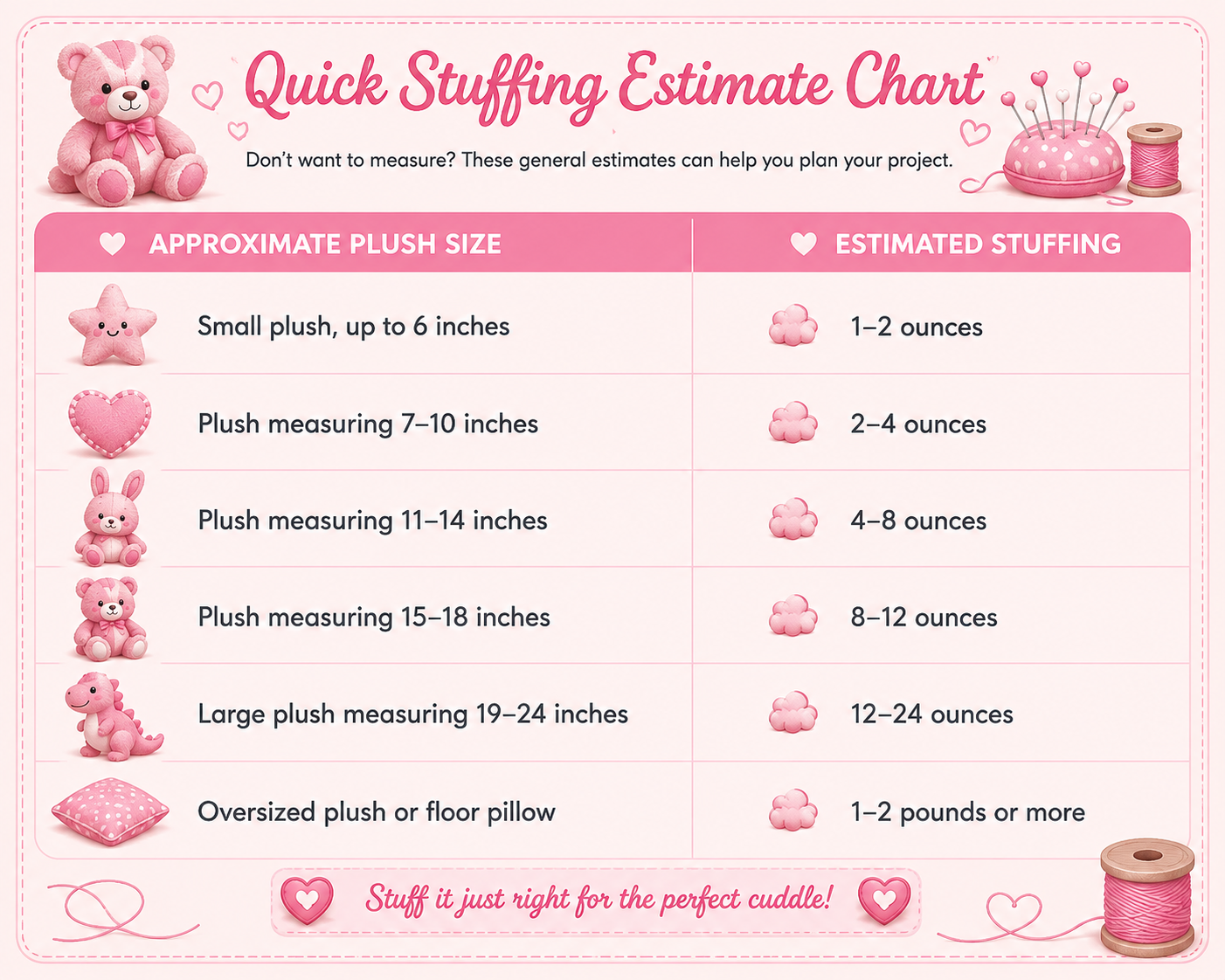
These estimates are starting points rather than strict rules. A flat plush pillow may require much less stuffing than a round plush with the same height and width.
What Changes the Amount of Stuffing You Need?
The Shape of the Plush
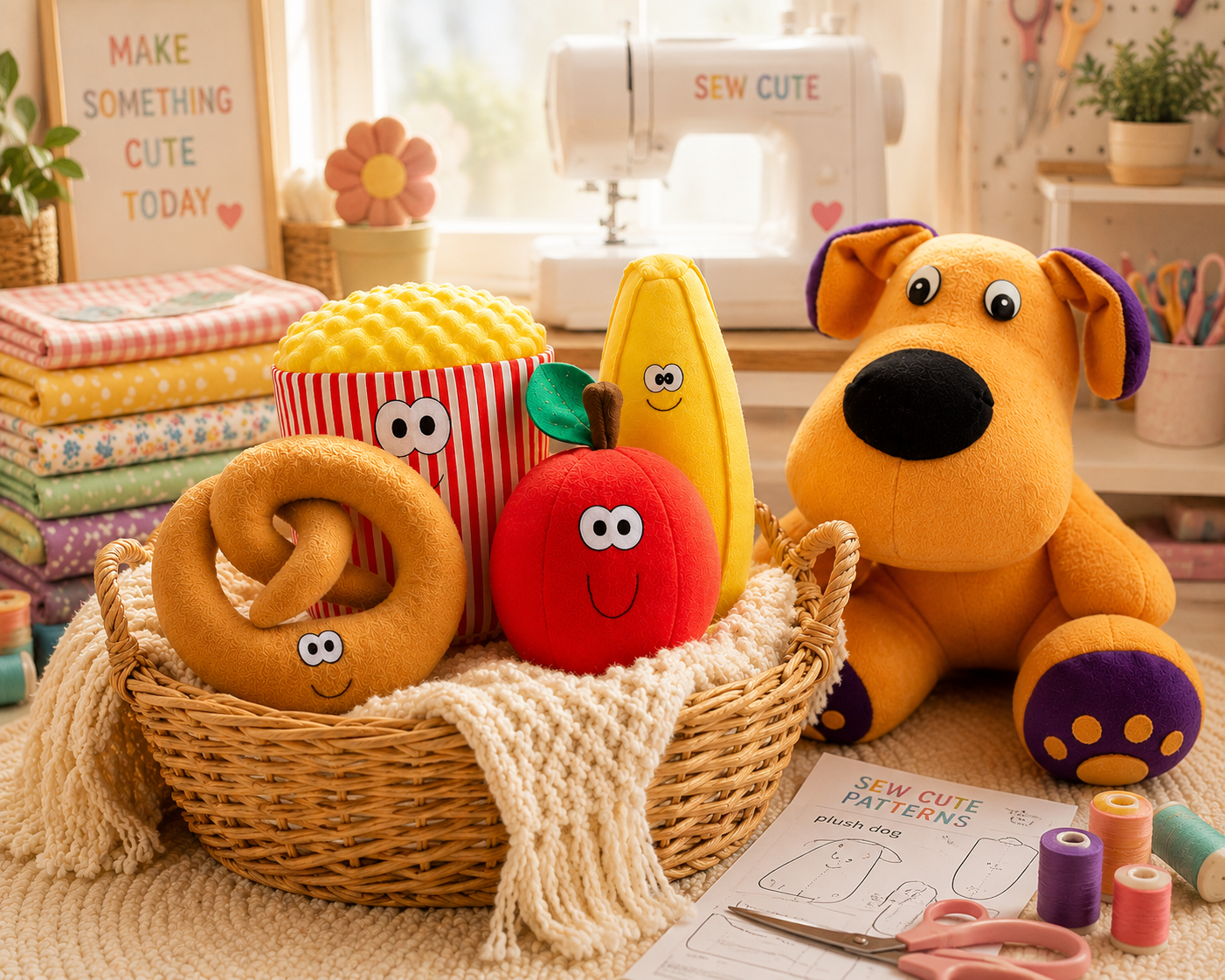
Two plushies with the same overall measurements may require very different amounts of stuffing.
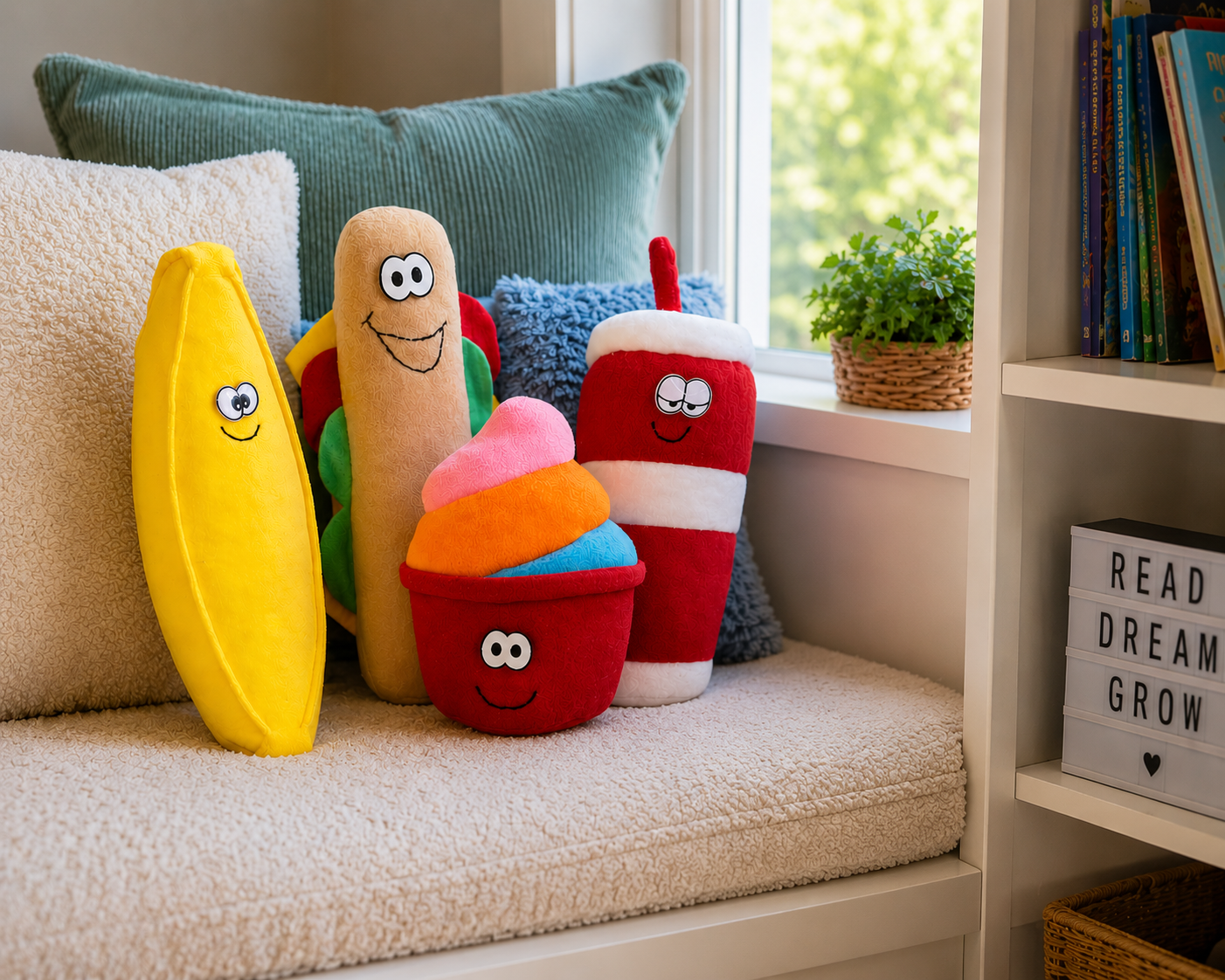
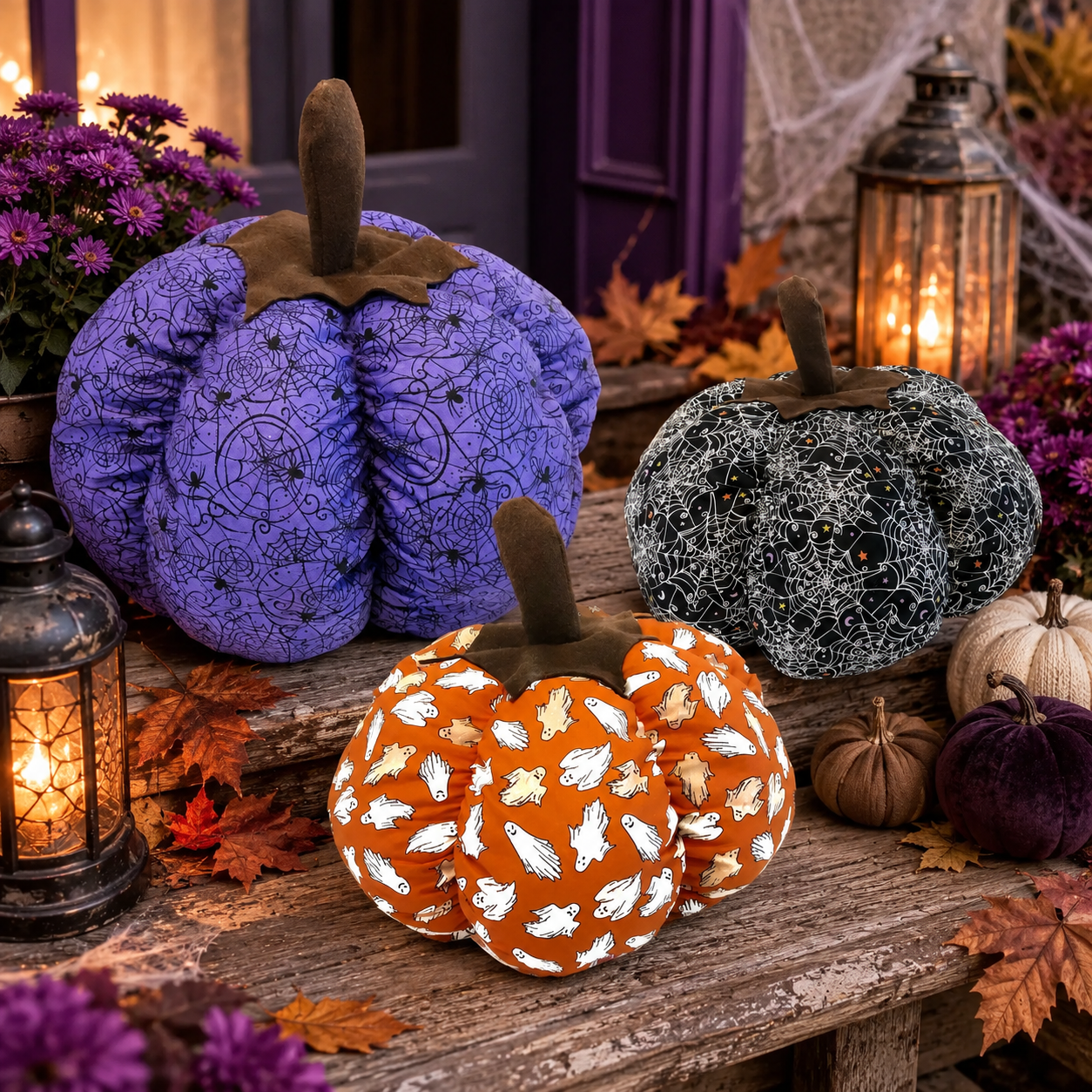
A flat book pillow will usually need less filling than a round pumpkin. Long legs, floppy ears, tails, tentacles, and other appendages can also increase the total amount needed.
How Firmly You Stuff It
A soft, floppy plush uses less fiberfill than one stuffed firmly enough to hold its shape.
Cuddly toys generally feel best with medium or soft stuffing. Decorative pieces, plush food, and projects that need to stand upright may benefit from firmer stuffing.
The Type of Fabric
Stretchy fabrics such as fleece and minky can expand as you add stuffing. This makes wonderfully soft, rounded plushies, but it may also mean you need more filling than expected.
Firm woven cotton and interfaced fabric usually stretch less and may require less stuffing for a project of the same size.
The Type of Filling
Not every filling material behaves the same way.
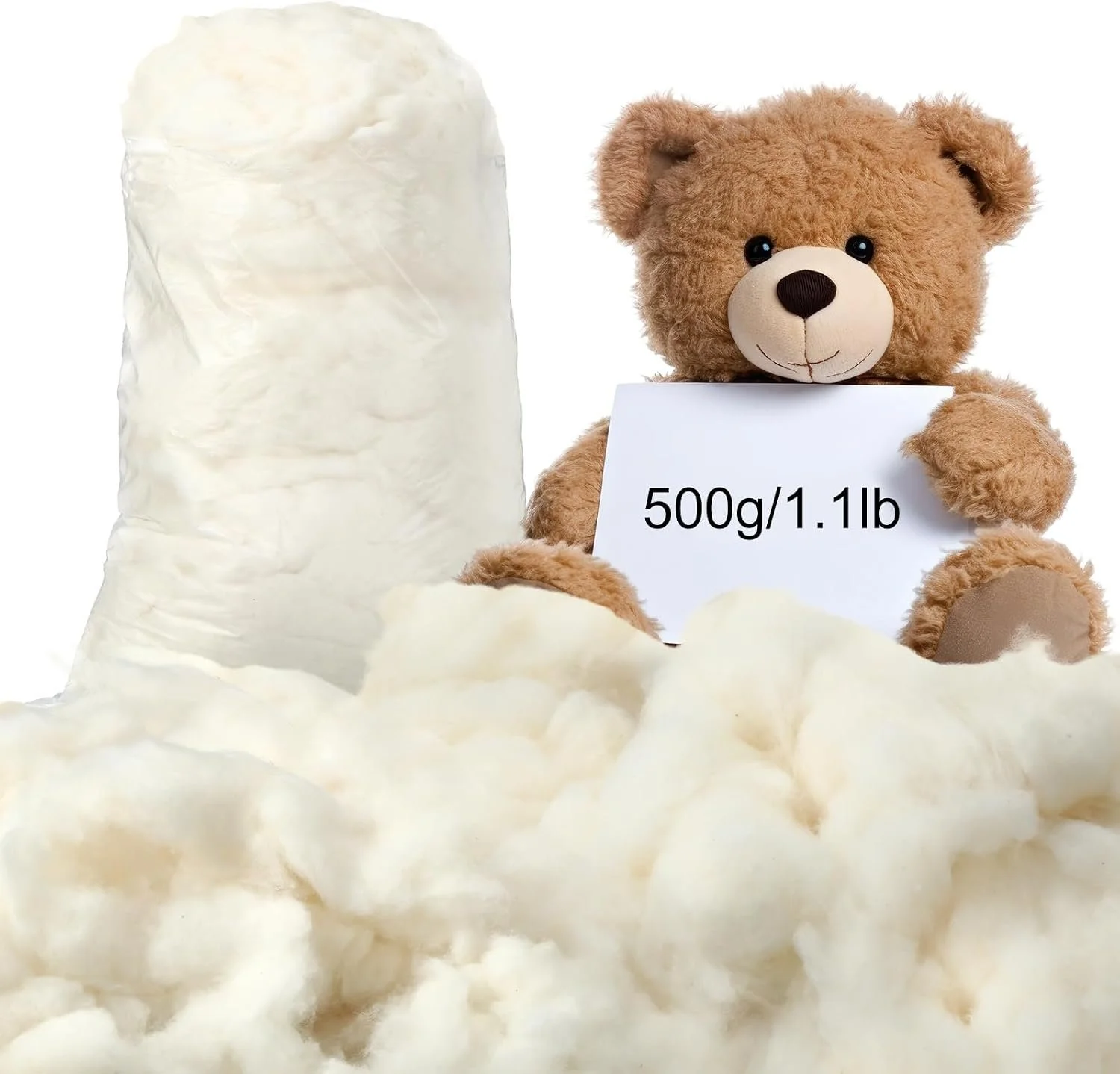
Polyester fiberfill is lightweight, washable, and commonly used in stuffed animals.
Cluster-style fiberfill creates a soft feel and resists clumping.
Shredded foam is heavier and often used in cushions or substantial pillows.
Fabric scraps create a dense, heavy result and work better for some decorative projects than cuddly toys.
Plastic pellets add weight but should usually be placed inside a securely sewn inner pouch.
Never use the calculator’s fiberfill estimate as a direct measurement for weighted pellets. Pellets are substantially heavier and require additional safety considerations.
My Favorite Way to Stuff a Plush
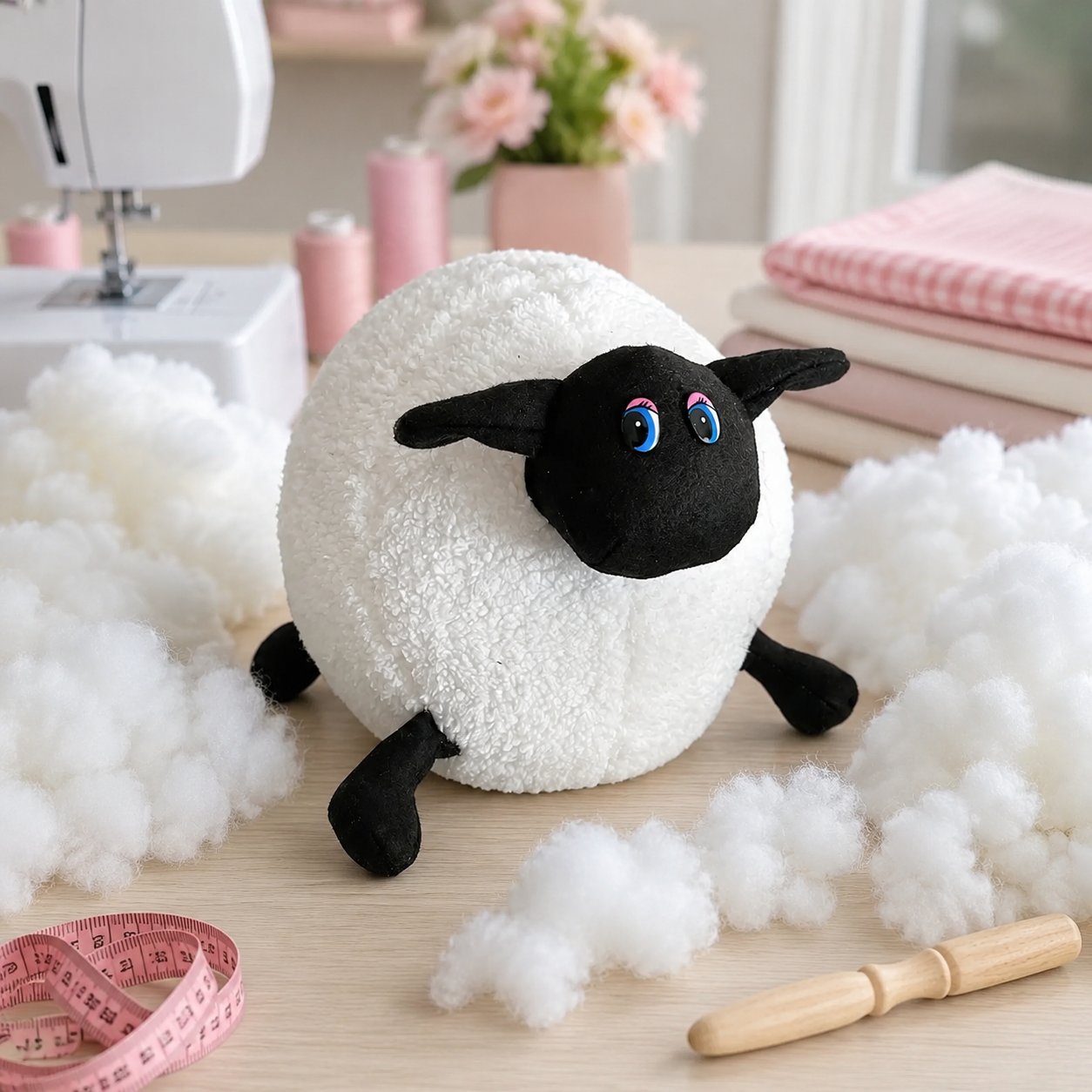
Start with small tufts of stuffing, gently fluffing them with your fingers. Add a little at a time —don’t grab huge handfuls!
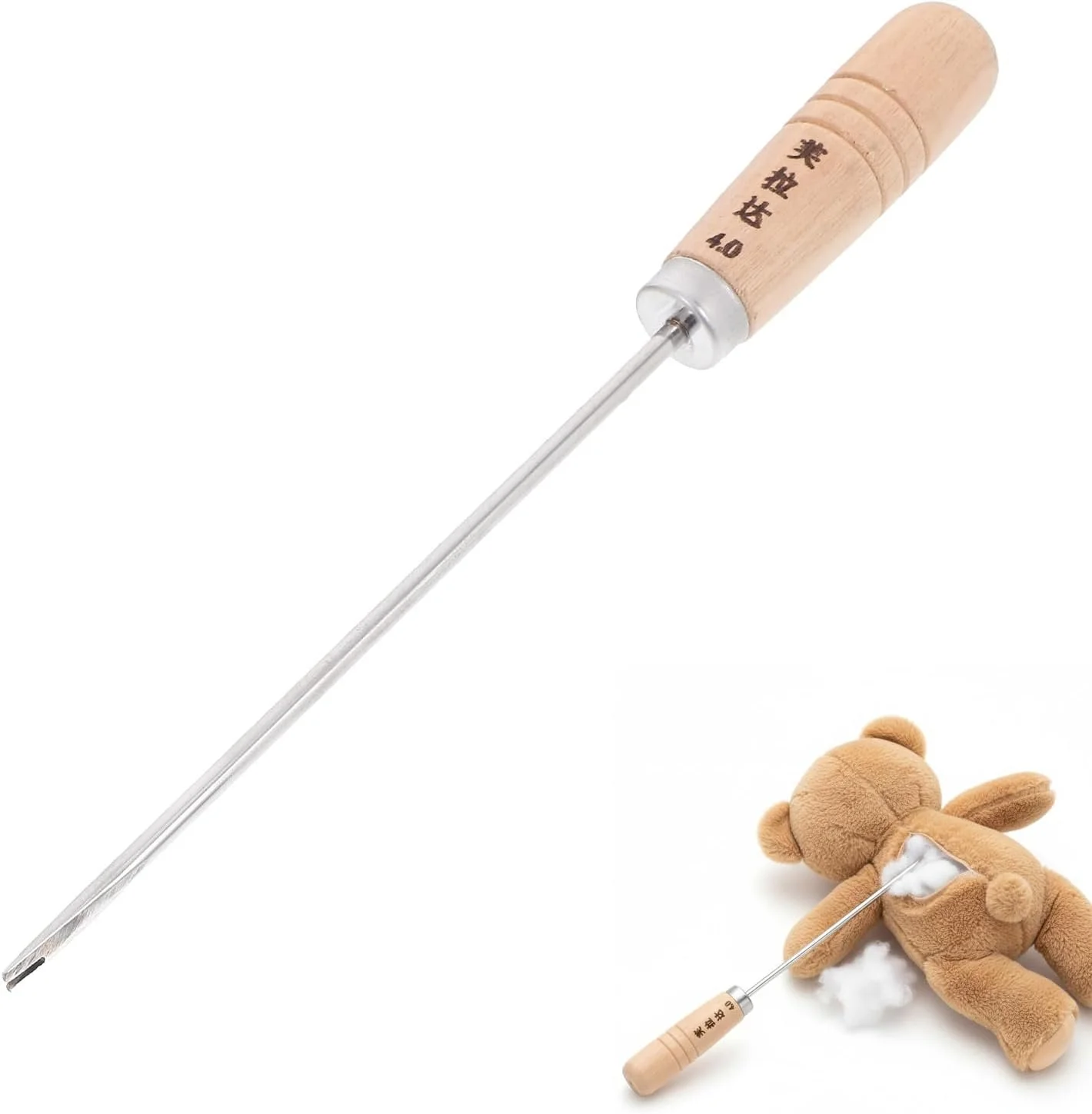
Push stuffing into corners and small areas first (like ears, tails, paws). A stuffing tool, chopstick, hemostat, or the eraser end of a pencil can help guide the filling into small areas. Be gentle around the seams so you do not accidentally poke through the fabric.
Build in layers. Add, shape, and fluff as you go. Continue adding small amounts until the plush feels evenly filled. Massage the outside occasionally to distribute the stuffing and find any empty or lumpy areas.
Check the seams. If they start to look tight, stop and reassess.
How Do I Know When My Plush Is Stuffed Enough?
Your plush should hold its intended shape without feeling hard.
Look for these signs:
The seams are smooth rather than puckered.
The corners and appendages are completely filled.
The plush springs back when gently squeezed.
There are no obvious hollow or lumpy areas.
The fabric is not stretched so tightly that the stitches become visible.
Should I Overstuff My Plush?
Usually, no. Overstuffing can distort the shape, stretch the fabric, and place unnecessary pressure on the seams. It can also make an otherwise cuddly plush feel surprisingly similar to a decorative brick.
However, certain parts may need to be stuffed more firmly. The base of a standing plush, the neck of a large stuffed animal, or the corners of a shaped pillow may require extra support.
The goal is balanced stuffing—not necessarily the same firmness in every section.
How Much Extra Stuffing Should I Buy?
I recommend having approximately 10% to 20% more stuffing than the calculator’s estimate.
Extra filling is particularly helpful when:
You are using stretchy fleece or minky.
The plush has several arms, legs, or other appendages.
You prefer a firm finished project.
This is your first time making the pattern.
A member of your household enjoys relocating handfuls of stuffing for reasons they refuse to explain.
Unopened stuffing can be saved for your next project, so purchasing a slightly larger bag is rarely a bad investment for frequent plush makers.
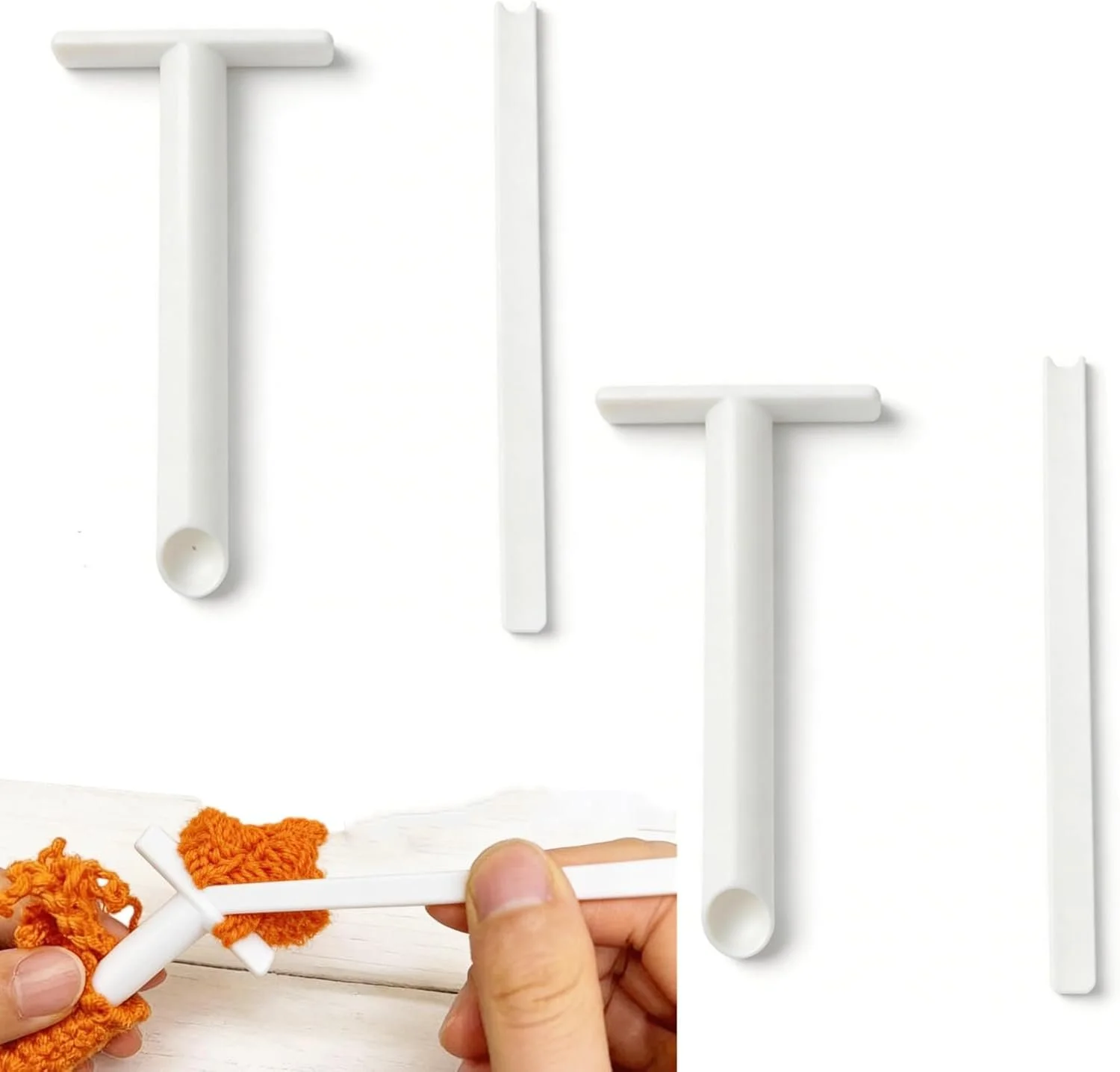
SHOP STUFFING SUPPLIES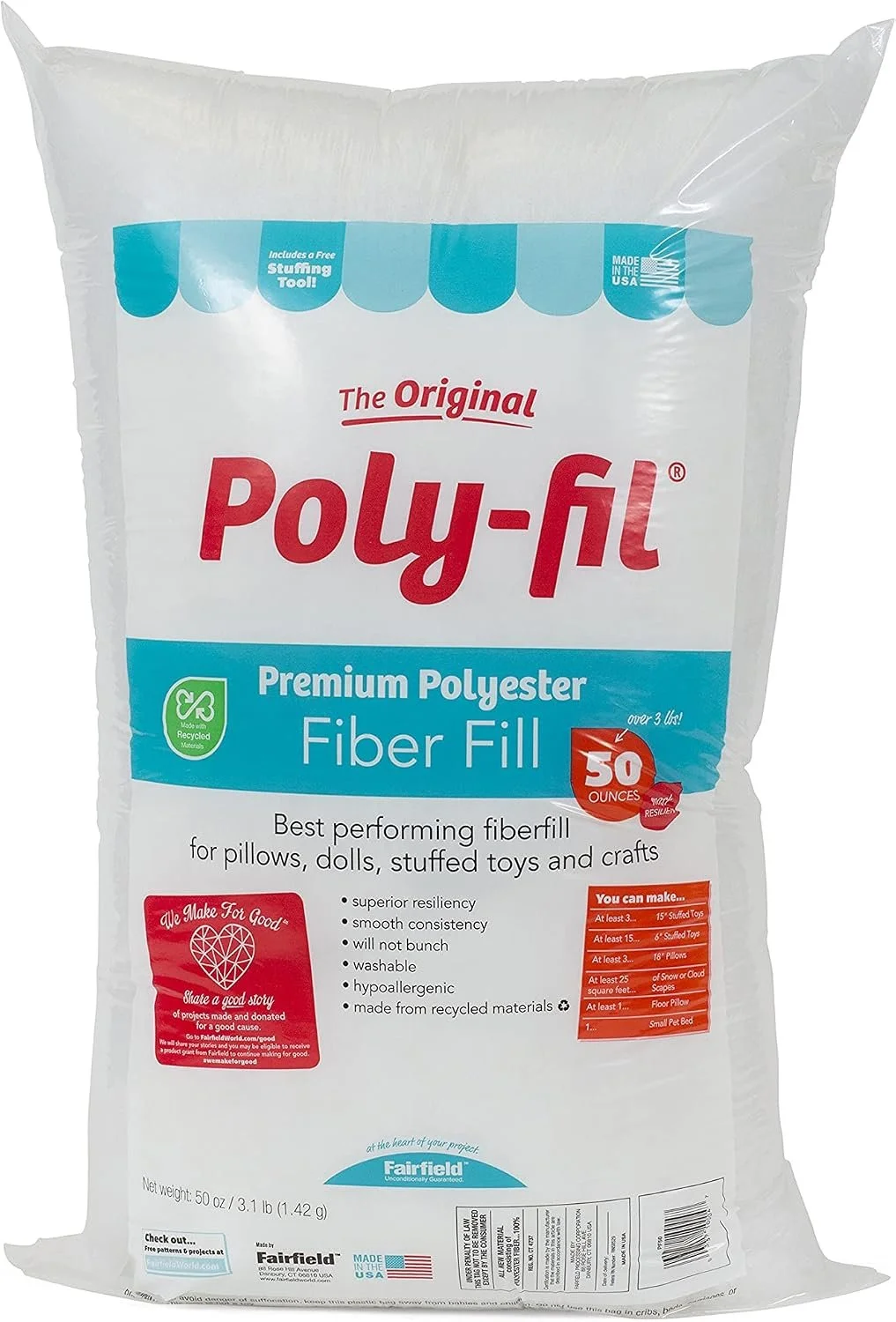
This post may contain affiliate links. If you purchase through one of these links, I may earn a small commission at no additional cost to you. Thank you for supporting Sew Cute Patterns!
Frequently Asked Questions
How much stuffing do I need for a 12-inch stuffed animal?
A typical 12-inch stuffed animal may require approximately 4 to 8 ounces of polyester fiberfill. Flat designs may need less, while round or firmly stuffed animals may need more.
How much stuffing do I need for a 16-inch plush?
Many 16-inch plush projects use approximately 8 to 12 ounces of fiberfill. The exact amount depends on the depth, shape, fabric, and desired firmness.
How much stuffing do I need for a plush pillow?
A small decorative plush pillow may need approximately 6 to 12 ounces. A large or thick pillow may require one pound or more.
How much stuffing is in a standard bag?
Fiberfill is sold in many sizes, ranging from a few ounces to several pounds. Check the package weight carefully when comparing products. A 20-ounce bag contains 1.25 pounds of stuffing.
Can I remove stuffing if I add too much?
Yes! Before closing the opening, gently remove small amounts until the fabric and seams relax. Massage the remaining stuffing to distribute it evenly before sewing the opening closed.
Ready to Make Something Fluffy?
Now that you have an estimate, choose your next plush sewing project and prepare for the highly technical process of getting tiny pieces of fiberfill on every surface in the room.
Shop Patterns | sewing tutorials | sewing blog | Shop sewing supplies