Mastering Buttonholes: A Guide to Buttonhole Cutters
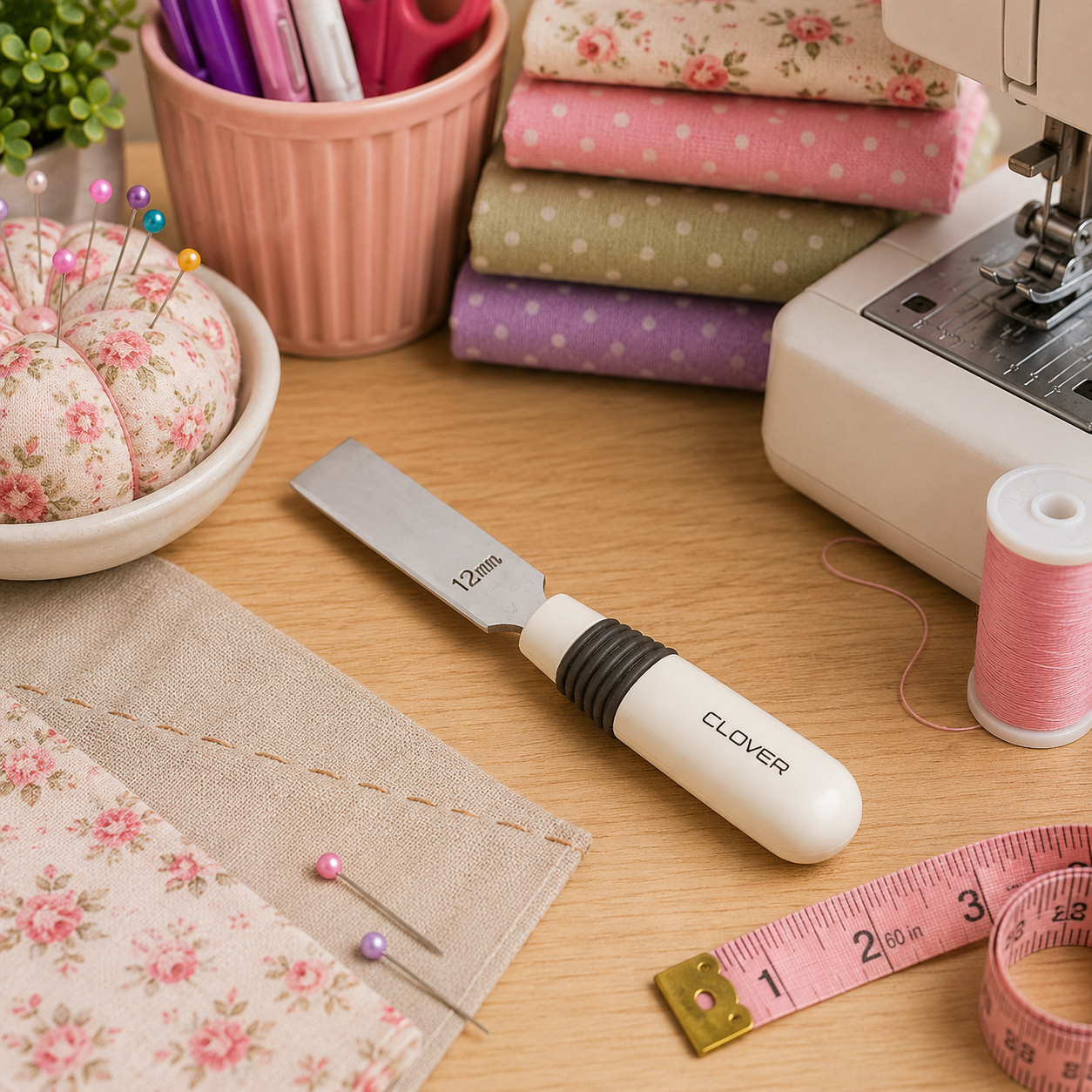
Creating perfectly sized and clean buttonholes is a vital skill for any sewist. Buttonhole cutters can make this task significantly easier and more precise. In this guide, we'll explore the different types of buttonhole cutters, how to use them, and the best practices for achieving flawless buttonholes in your projects.
What is a Buttonhole Cutter?
A buttonhole cutter is a specialized tool designed to cut open the center of sewn buttonholes cleanly and accurately. Unlike scissors, which can be cumbersome and risk damaging your fabric, buttonhole cutters ensure a straight, even cut every time.
Types of Buttonhole Cutters
There are several types of buttonhole cutters available, each with its unique features:
Resembles a small chisel with a sharp, flat edge.
Ideal for cutting precise, straight lines.
Often used with a cutting mat or a block to protect your work surface.
A rotary cutter using a circular blade and can be used for cutting in general, including button-holes
Best for those who prefer a rolling motion over a chopping one.
Requires less force and can be easier on the hands.
Scissor-Type Buttonhole Cutter
Combines the precision of a chisel cutter with the convenience of scissors.
Often comes with a built-in cutting mat.
Suitable for sewists who prefer a familiar scissor motion.
How to Use a Buttonhole Cutter
Using a buttonhole cutter is straightforward, but following these steps can help you achieve the best results:
Prepare Your Fabric
Sew your buttonhole as usual, ensuring it's the correct size and well-stitched.
Place your fabric on a cutting mat or a thick piece of cardboard to protect your work surface.
Position the Cutter
Align the cutter with the center of your buttonhole. For chisel-type cutters, place the cutting edge at the starting point of your buttonhole.
If using a rotary cutter, position the blade at one end of the buttonhole.
Make the Cut
Apply firm, even pressure to cut through the fabric cleanly.
For chisel cutters, you may need to tap the back of the cutter with a small hammer.
For rotary cutters, roll the blade smoothly through the buttonhole.
Finish the Buttonhole
After cutting, check for any loose threads and trim them if necessary.
Test the buttonhole with your button to ensure it fits perfectly.
Best Practices for Buttonhole Cutting
Sharp Blades: Ensure your buttonhole cutter is always sharp. Dull blades can cause fraying and uneven cuts.
Practice First: If you're new to buttonhole cutters, practice on scrap fabric before cutting your final project.
Use the Right Mat: Always use a cutting mat or a block to protect your work surface and extend the life of your cutter.
Recommended Buttonhole Cutters
Here are some highly recommended buttonhole cutters that can elevate your sewing projects:
Clover Buttonhole Cutter Set
This set includes a chisel cutter, a cutting mat, and a punch for creating precise, clean cuts.
Shop on AmazonButtonhole Scissors
Featuring a scissor-type perfect for beginners and seasoned sewists alike.
Shop on AmazonRotary Cutter
A quality rotary cutter makes smooth, effortless cuts through fabric.
Shop on AmazonAnglechic 6 Pcs Sewing Buttonhole Cutter Set
Suitable for an array of sewing needs from buttonhole spacing to hooks, snaps, and darting; Upon unboxing the buttonhole cutter set, you get 1 keyhole buttonhole cutter, 1 straight buttonhole cutter, and 1 square mat, all attentive to your diverse sewing needs.
Shop on Amazon

Affiliate Disclosure: This post contains affiliate links. If you purchase something through one of these links, Sew Cute Patterns may earn a small commission at no additional cost to you. As an Amazon Associate, I earn from qualifying purchases.
Shop Patterns | sewing tutorials | sewing blog | Shop sewing supplies