Guide to Choosing the Right Cutting Board for Your Sewing Projects
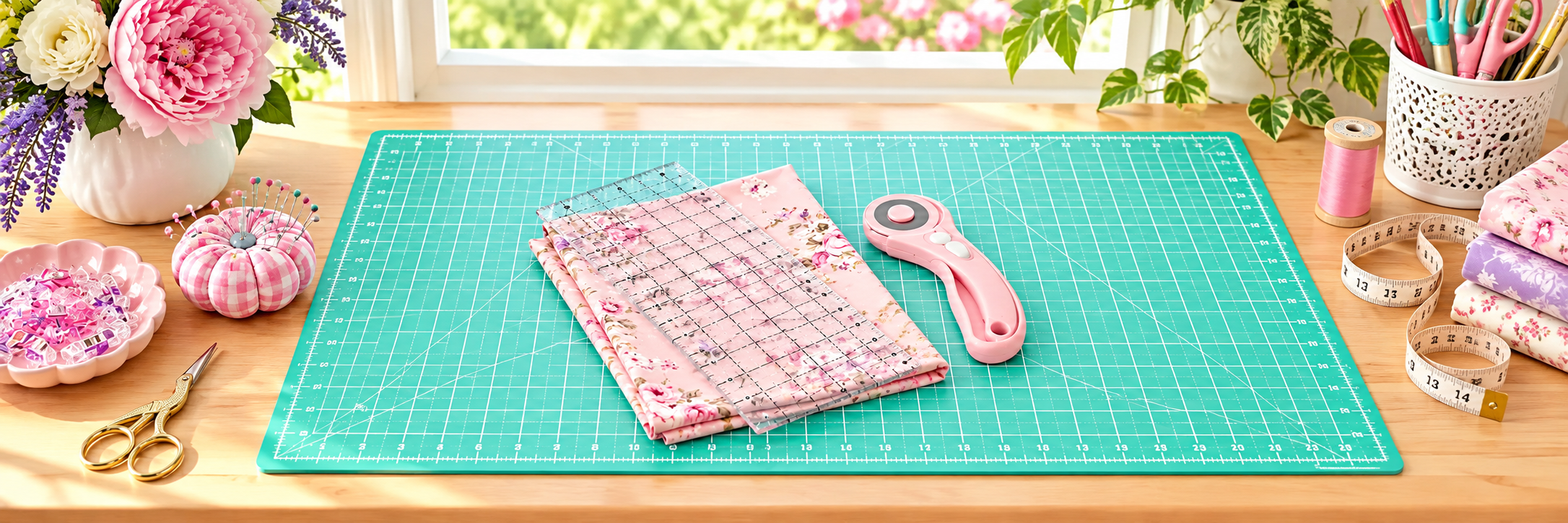
Cutting boards are a must-have for any sewing enthusiast. Whether you're cutting fabric for plush toys, clothing, or other crafts, a good cutting board can make your work more precise and efficient. In this guide, we'll explore the different types of cutting boards, their benefits, and some top recommendations to help you make the best choice for your sewing needs.
Types of Cutting Boards
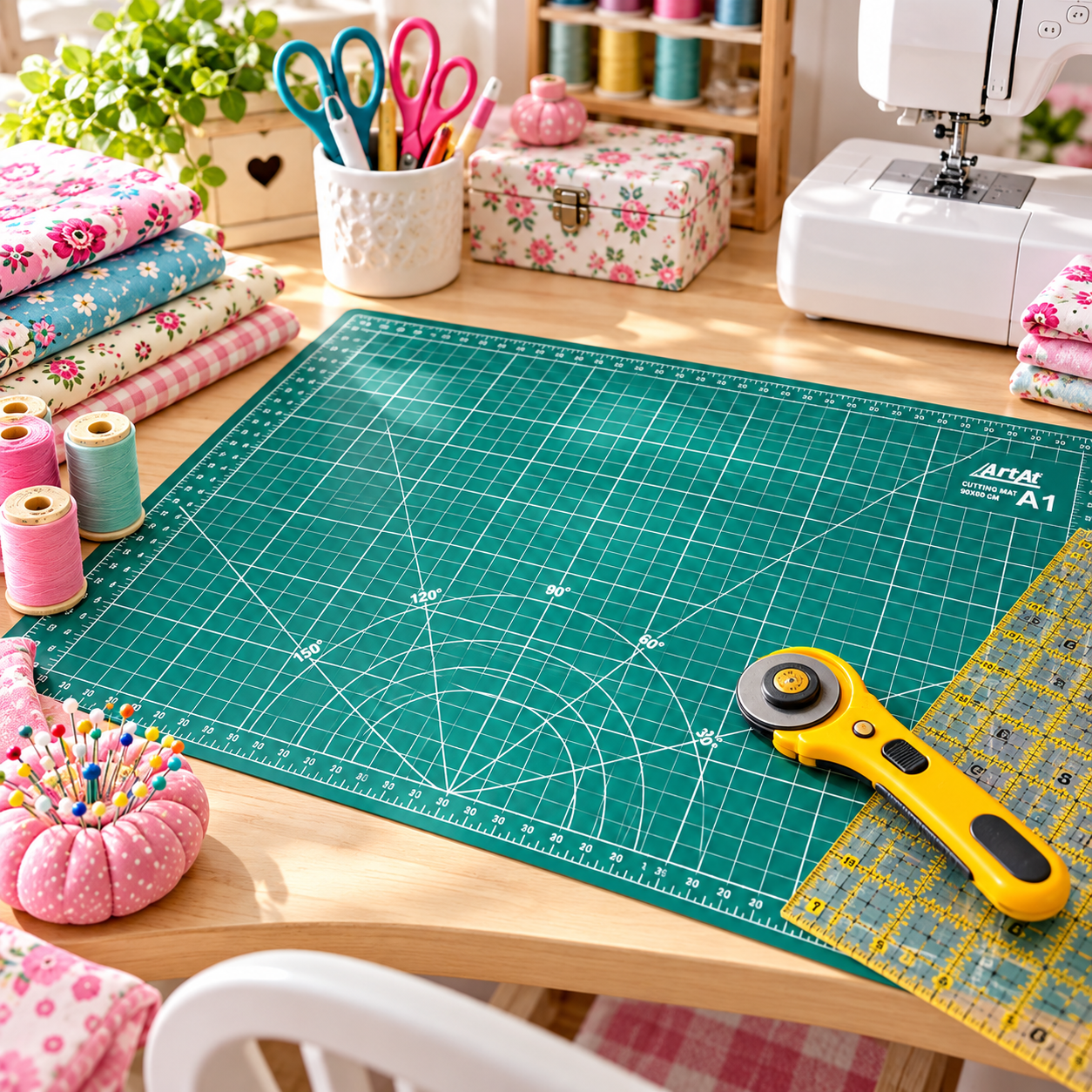
Self-Healing Cutting Mats
Self-healing cutting mats are popular among sewers and crafters. These mats have a unique surface that 'heals' itself after each cut, preventing grooves and ensuring a smooth cutting experience.
Benefits:
Durability: Lasts longer due to self-healing properties.
Smooth Surface: Prevents fabric snags and ensures clean cuts.
Measurement Guides: Often comes with printed grids and measurements.
Top Picks:
ArtAt Self Healing Cutting Mat: 24 x 36 inch Cutting Mat Shop on Amazon
Fiskars 18" x 24" Self-Healing Cutting Mat Shop on Amazon
OLFA 24" x 36" Self-Healing Rotary Cutting Mat Shop on Amazon
Acrylic Cutting Boards
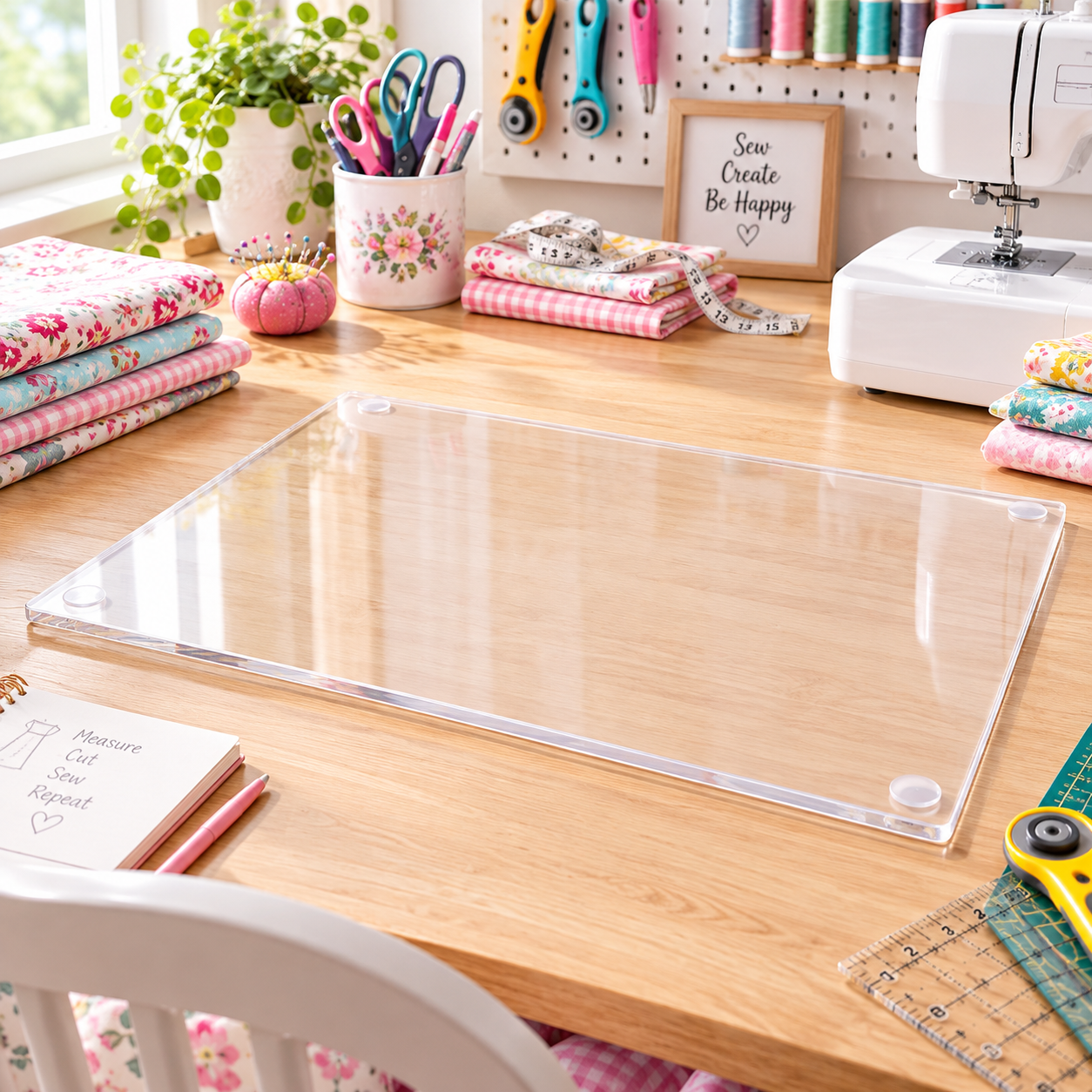
Acrylic cutting boards are rigid and transparent, making them ideal for detailed cuts and working with light fabrics.
Benefits:
Clarity: Transparent surface allows for precise placement.
Stability: Firm surface prevents slipping and shifting.
Versatility: Suitable for various types of cutting tools.
Top Picks:
24" x 36" Acrylic Cutting Board Shop on Amazon
Alvin 18" x 24" Clear Acrylic Cutting Mat Shop on Amazon
Wooden Cutting Boards
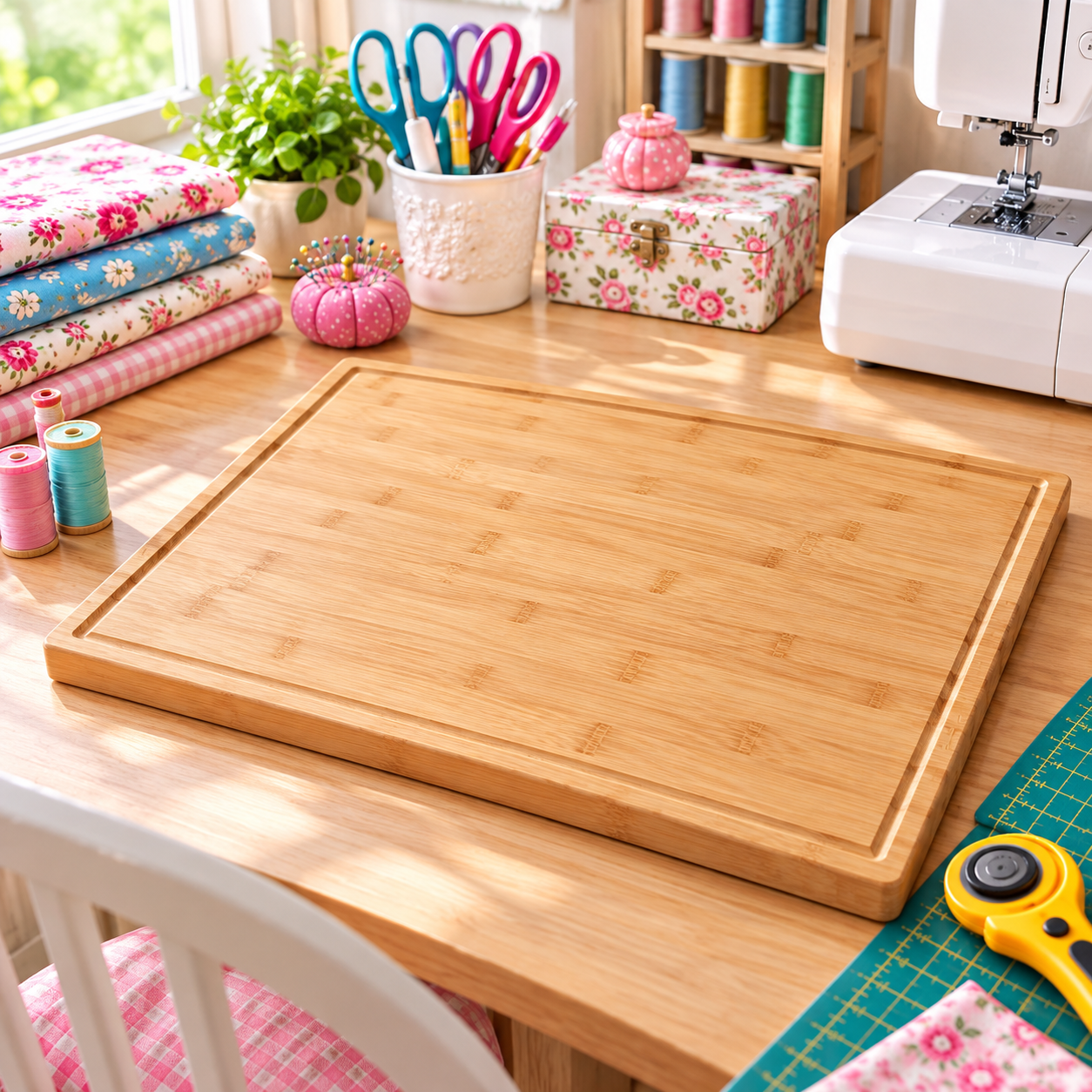
Wooden cutting boards, while less common in sewing, can be used for heavy-duty cutting and offer a sturdy surface.
Benefits:
Stability: Heavy and sturdy, reducing movement during cutting.
Eco-Friendly: Often made from sustainable materials.
Dual Use: Can also be used in other crafting and DIY projects.
Top Picks:
Kikicoin 24" Bamboo Cutting Boards for Kitchen Shop on Amazon
Architec Gripperwood Hardwood Cutting Board, 16 by 20-Inch Shop on Amazon
Choosing the Right Cutting Board for Your Projects
When selecting a cutting board, consider the following factors:
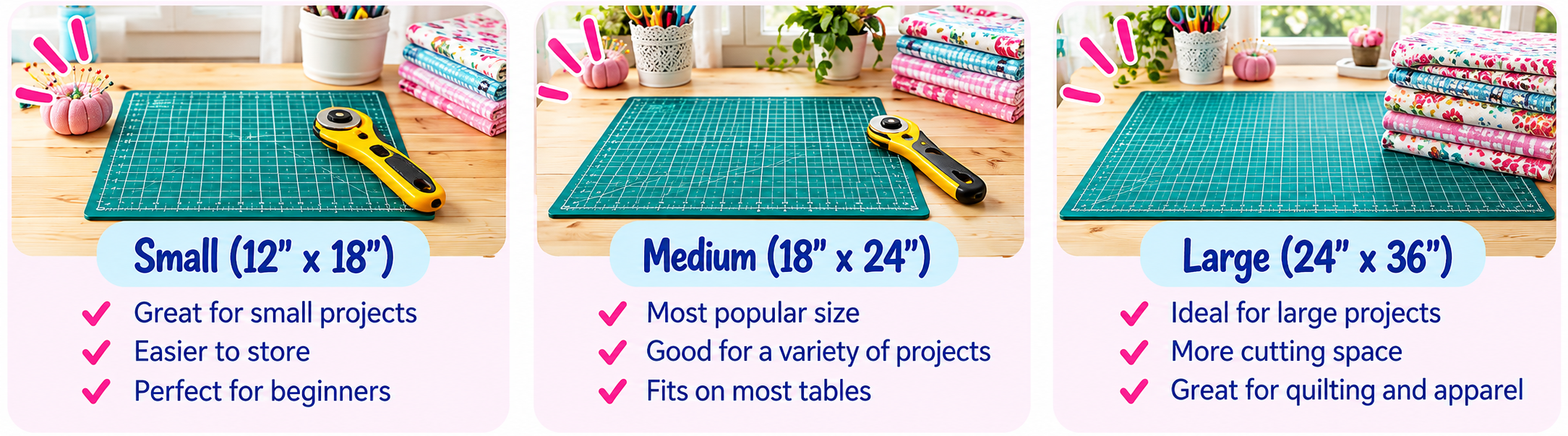
Size: Ensure the cutting board is large enough to accommodate your fabric pieces without having to constantly reposition them.
Thickness: Thicker mats provide better durability and can withstand more pressure from cutting tools.
Surface Material: Depending on your cutting tools, choose a surface that complements your cutting style (self-healing for rotary cutters, acrylic for precision cuts, etc.).
Markings and Guides: Cutting boards with printed grids and measurement guides can make your work more accurate and efficient.

Tips for Maintaining Your Cutting Board

Clean Regularly: Wipe down your cutting board after each use to remove fabric fibers and debris.
Keep Flat: Store your mat flat to prevent warping.
Avoid Direct Sunlight: Store your cutting board away from direct sunlight to prevent warping or discoloration.
Rotate Usage: Use different sections of the board to evenly distribute wear and extend its lifespan.
Investing in the right cutting board can significantly enhance your sewing experience. With the right tools, you can achieve more precise cuts, reduce fabric waste, and make your sewing projects more enjoyable.
Happy sewing!
Affiliate Disclosure: This post contains affiliate links. If you purchase something through one of these links, Sew Cute Patterns may earn a small commission at no additional cost to you. As an Amazon Associate, I earn from qualifying purchases.