Tackling Thick Fabrics: Sewing Tips for a Smooth Finish
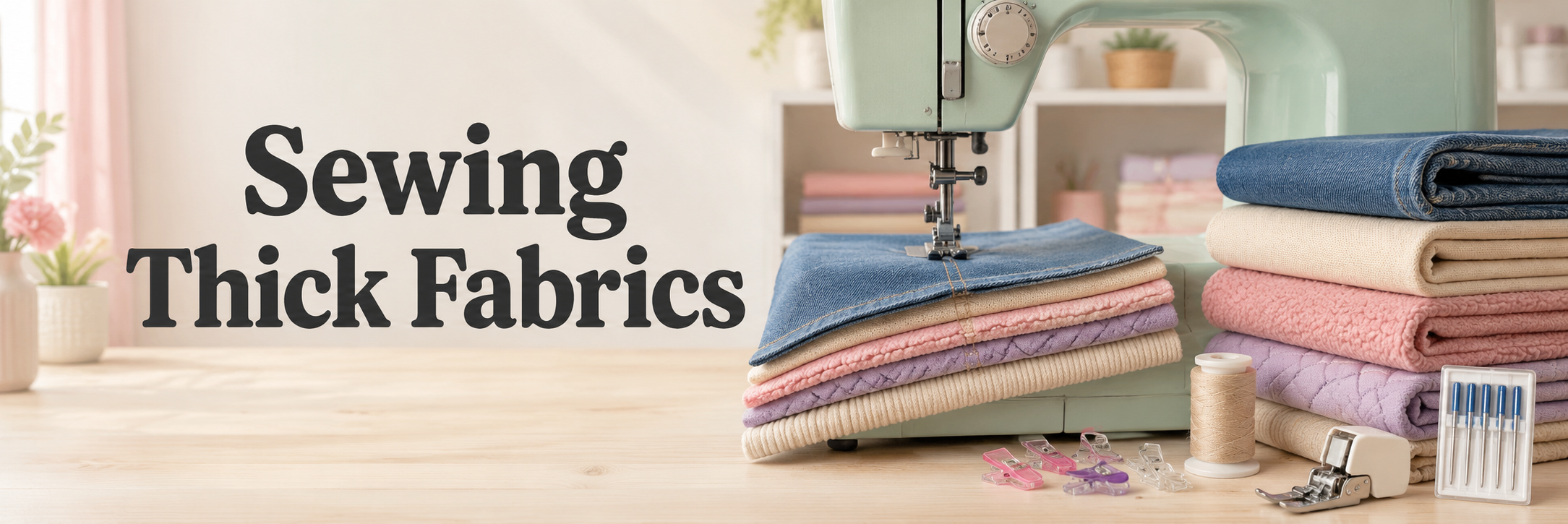
Sewing thick fabrics like denim, leather, upholstery fabric, or multiple layers of heavy cotton can feel daunting. These materials present unique challenges, but with a few handy tips, you can sew through them like a pro! Here's how to manage thick fabrics with ease, ensuring your projects come together beautifully.
1. Choose the Right Needle
Start with a needle designed for heavy-duty fabrics:
Denim/Jeans Needles: These have a thicker, reinforced shaft to penetrate dense fabric without bending. Shop here.
Leather Needles: Designed with a cutting point to punch through leather or vinyl. Shop here.
Topstitch Needles: Ideal for thicker threads and heavier fabrics. Shop here.


Keep an extra needle on hand—sewing thick materials can wear needles out quickly!
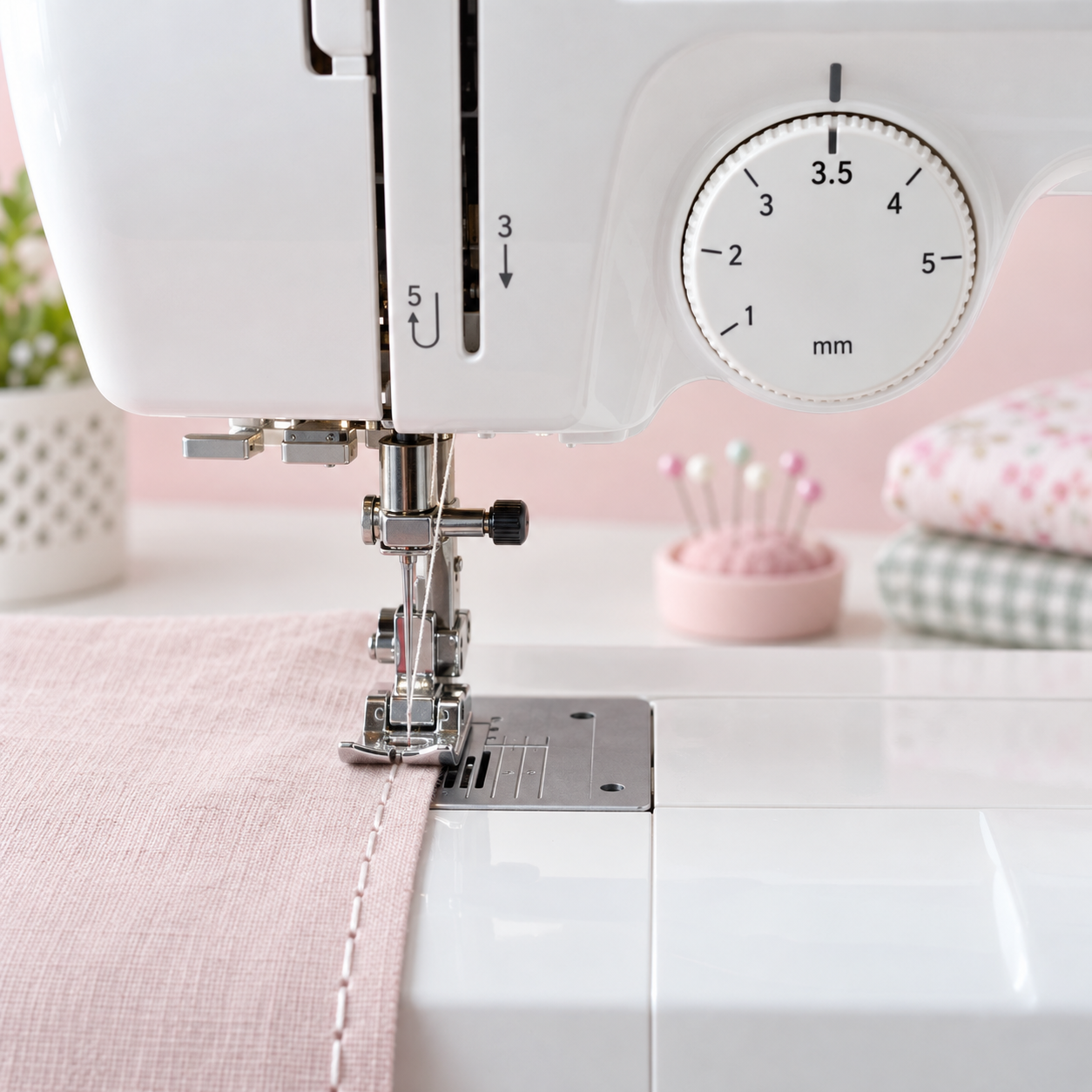
3. Adjust Stitch Length
A longer stitch length, around 3-4mm, works best on thick materials. This helps prevent the machine from struggling or causing the fabric to bunch up. Avoid using very short stitches, as they can weaken the fabric or create holes.
4. Presser Foot Pressure Adjustment
For thick fabrics, reduce the presser foot pressure if your sewing machine allows. This prevents the fabric from becoming compressed under the foot and helps it feed more easily.
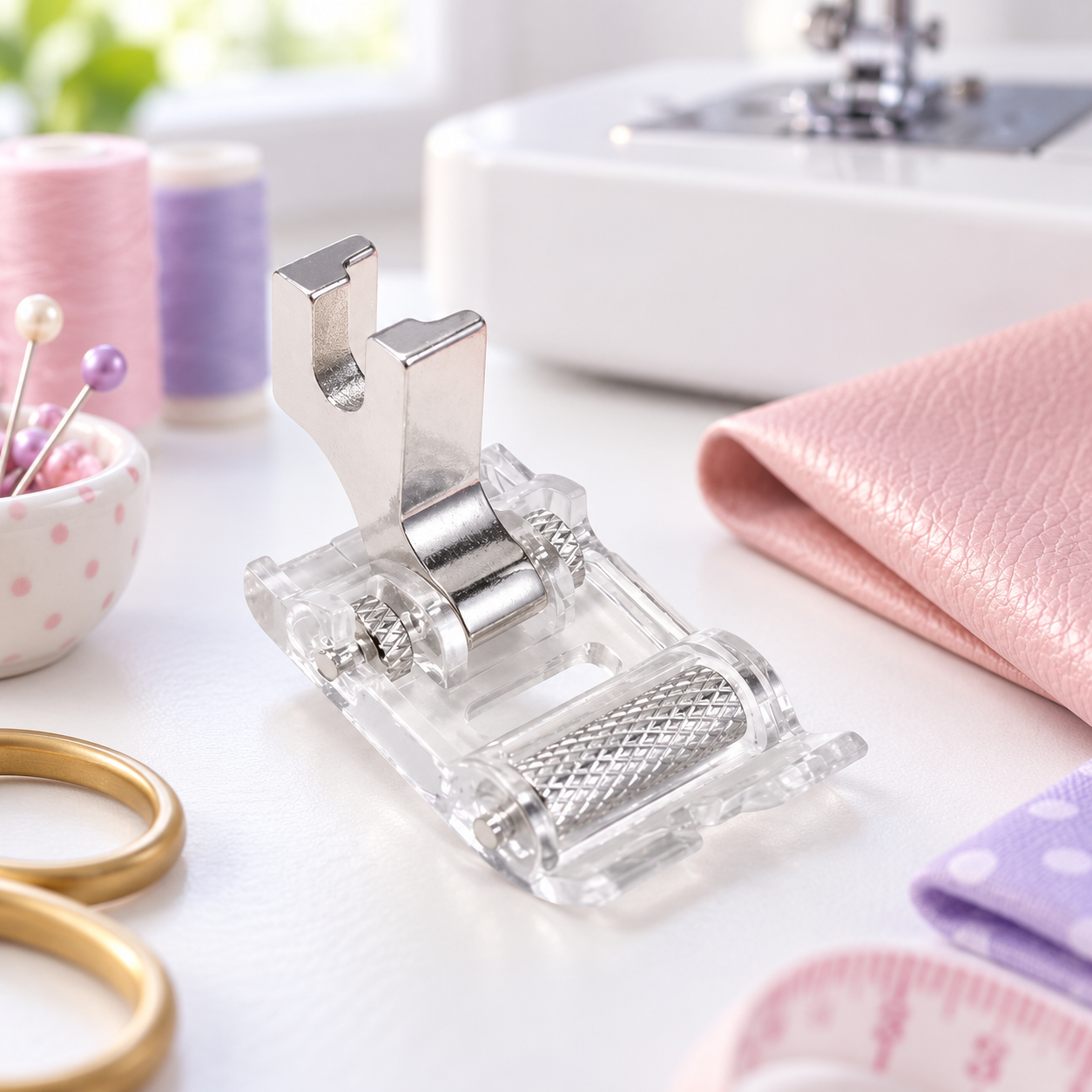
5. Use the Right Presser Foot
Using the correct presser foot ensures your machine handles the bulkier material smoothly:
6. Marking Tools for Thick Fabrics
Choose marking tools that work well on dense materials:
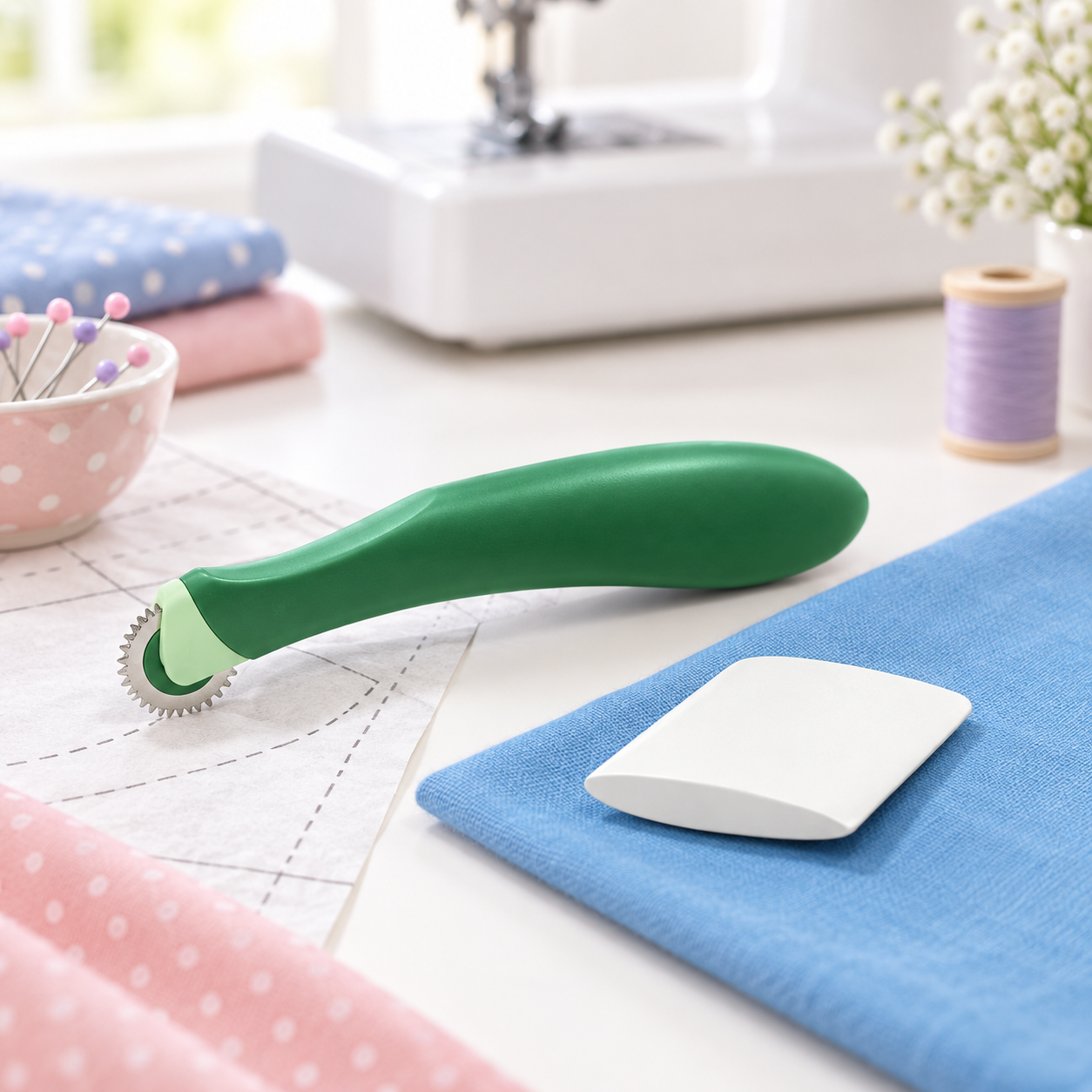
Chalk markers or tailor's chalk are great for thick fabrics and can be easily brushed off. Click here to shop chalk markers. Clip here to shop tailor’s chalk.
Fabric marking pens can also work if the fabrics texture allows.
Tracing paper and a tracing wheel offer a deeper mark for bulky fabrics like wool. Click here to shop tracing wheel. Click here to shop tracing paper.
7. Use a Hump Jumper for Thick Seams
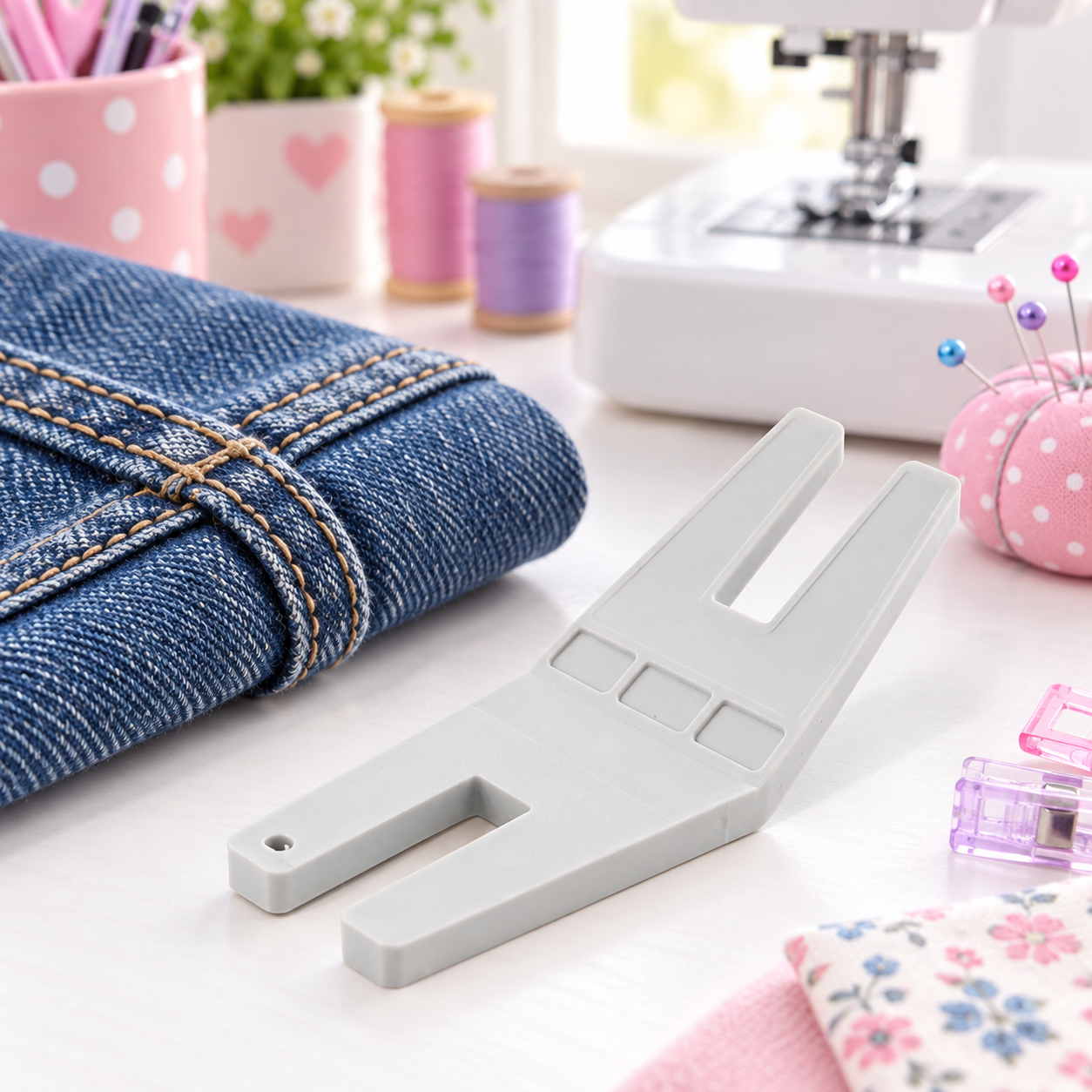
When sewing over thick seams or layers, use a hump jumper or folded piece of fabric behind the presser foot to level it. This keeps the fabric from shifting and helps the needle pierce smoothly. Shop hump jumper here on Amazon.
8. Slow and Steady Wins the Race
Sew at a slower speed than usual. This gives you better control over the fabric and reduces the chance of breaking a needle. Remember to pause frequently to check your work.
9. Use a Clapper for Flat Seams
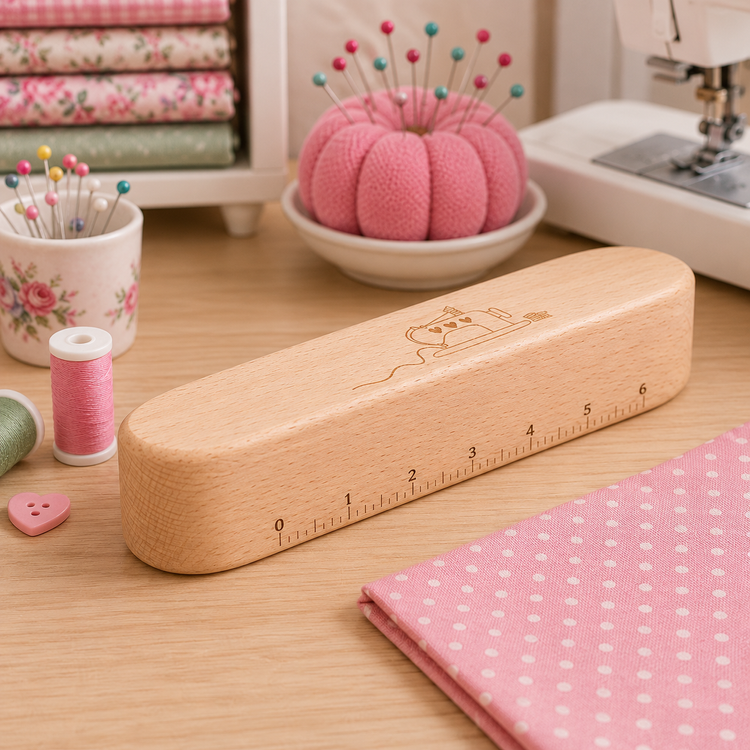
A tailor’s clapper can help press seams flat when ironing isn't enough. It absorbs moisture from the steam iron and cools the fabric quickly for a crisper seam. Click here for our clapper tutorial.
10. Try a Longer Stitch Plate or Walking Foot Plate
Consider switching to a walking foot plate or specialized stitch plate that’s designed to support heavy fabrics. It helps stabilize thick materials and reduces the likelihood of the fabric shifting.
11. Consider Hand Basting for Control
Hand basting tricky areas can provide extra control before sewing with the machine. Use a thick thread to secure layers, then remove it after machine stitching.
12. Clip or Trim Bulk in Seam Allowances
Thick fabrics can result in bulky seams. To reduce bulk:
Trim seam allowances to different widths, known as grading.
Clip corners and curves to help them lay flat.
Use a seam roller to press open seams where ironing may be challenging.
Shop Needles and other Supplies
jeans needles | leather needles | topstitch needles | heavy duty thread | tracing wheel | chalk markers | tailor’s chalk | tracing paper | hump jumper
Affiliate Disclosure: This post contains affiliate links. If you purchase something through one of these links, Sew Cute Patterns may earn a small commission at no additional cost to you. As an Amazon Associate, I earn from qualifying purchases.
Shop Patterns | sewing tutorials | sewing blog | Shop sewing supplies