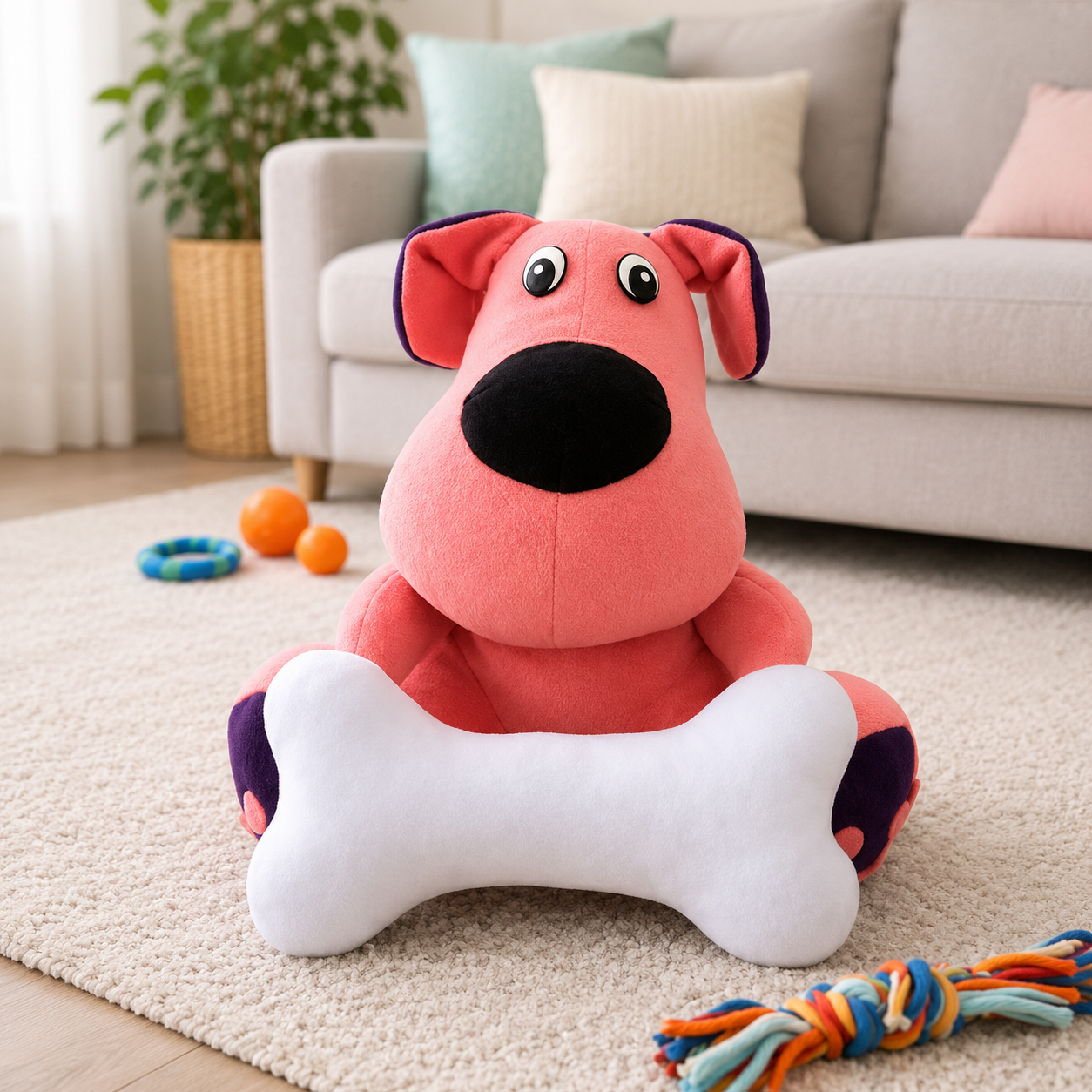
Ask Gary: Signs You Have a Fabric Addiction
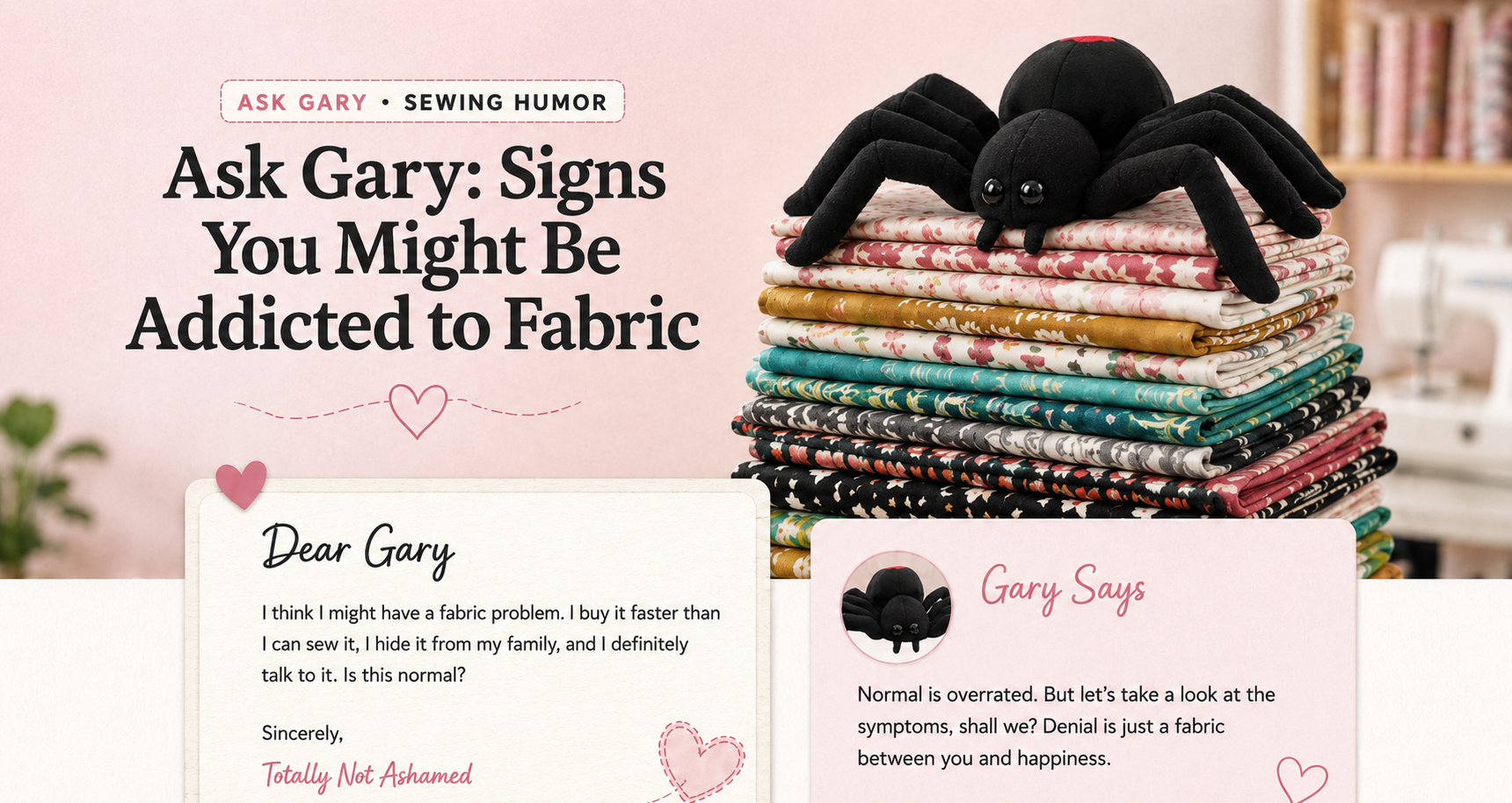
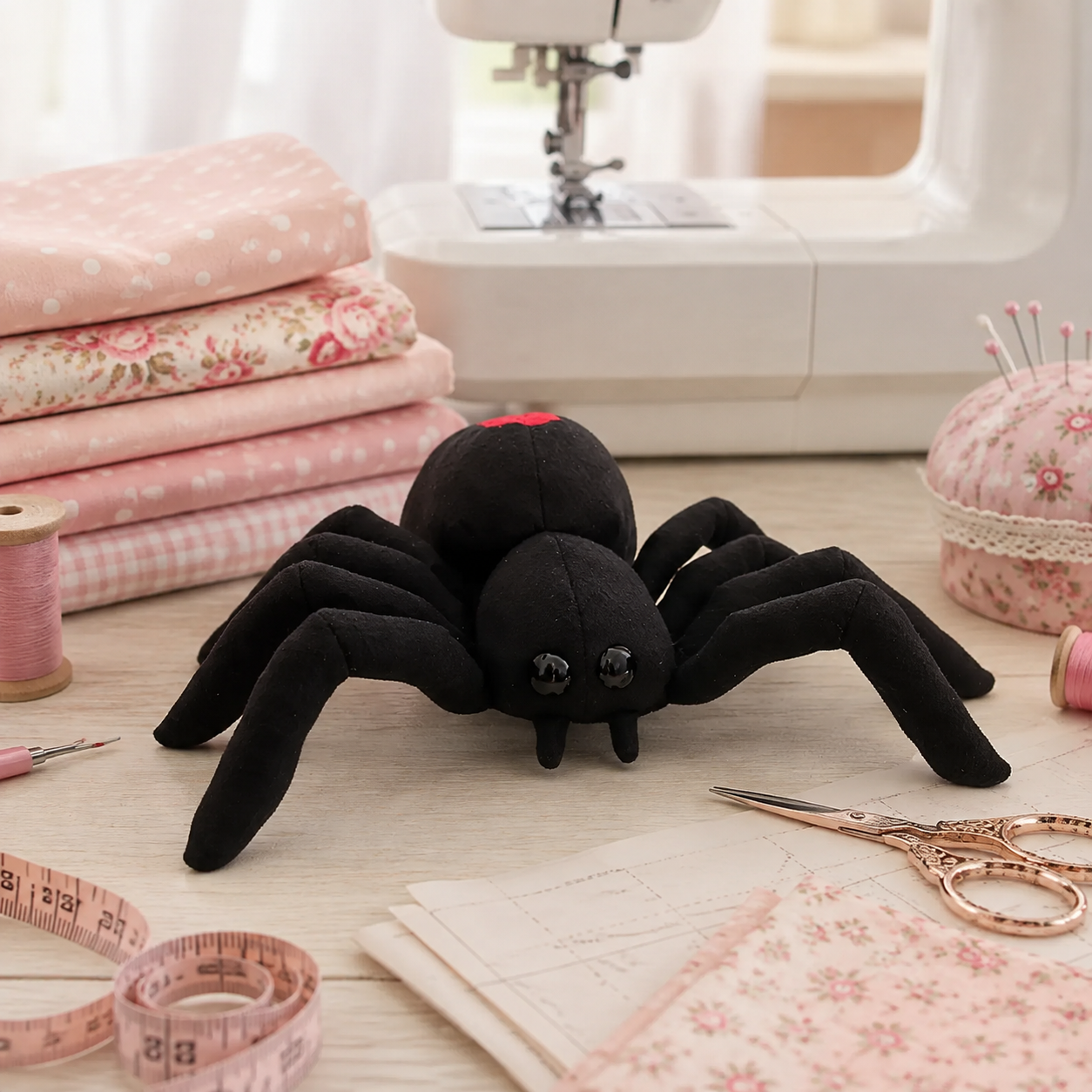
Welcome to Ask Gary, the sewing advice column where Gary the spider answers your most pressing questions with confidence, authority, and absolutely no relevant qualifications.
Dear Gary,
I recently reorganized my sewing room and discovered that I own considerably more fabric than I remembered buying. Some of it was still inside shopping bags. I also found three identical pieces of pink fleece because apparently I purchased it, forgot about it, and then purchased it twice more.
How do I know whether I am addicted to fabric?
— Concerned in the Fabric Aisle
Gary Says:
First, let us avoid using alarming words like addicted.
I prefer extremely committed to textile preparedness.
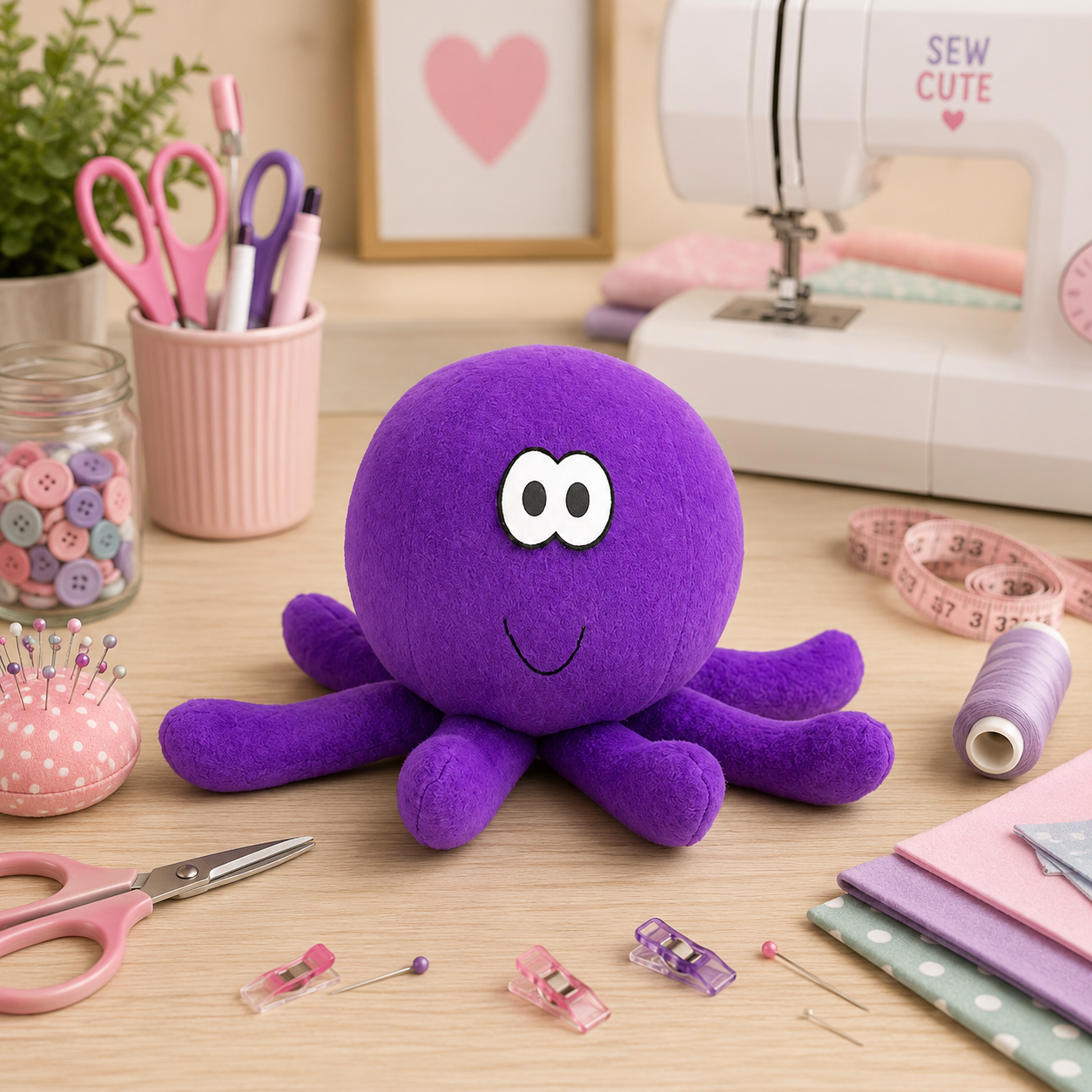
A sensible sewist understands that fabric availability can change without warning. A particular shade of purple fleece could disappear tomorrow. The entire minky supply chain could collapse. Someone else might purchase the last yard of glow-in-the-dark Halloween fabric.
Are you expected to take that risk? Of course not.
However, in the interest of science, I have prepared a short diagnostic assessment.
Signs You Might Be Addicted to Fabric
1. You Buy Fabric Without Having a Project in Mind
You do not know what you will make with it—but the fabric spoke to you.
It said, “Take me home.”
Ignoring it would have been rude.
2. You Own Fabric That Is Too Special to Use
You purchased it because you loved it.
Now you cannot cut it because you love it.
It will remain safely folded in your sewing room until an important enough project presents itself. No project will ever be important enough.
3. You Have Started Hiding Fabric Purchases
You quietly carry shopping bags into the house while hoping nobody asks questions.
If questioned, acceptable responses include:
“I have always owned this.”
“It was practically free.”
“This is for a future business project.”
“Please stop counting the bags.”
4. You Recognize Fabric by Touch
You no longer need labels. One quick rub between your fingers and you can identify fleece, flannel, felt, minky, cotton, canvas, or something you bought from the clearance table in 2018.
This is not a problem. It is a professional skill.
5. You Buy Storage for the Fabric Instead of Using the Fabric
First, you bought a basket.
Then a shelf.
Then several clear storage bins.
Now you are researching custom sewing-room cabinetry.
The fabric collection has developed its own infrastructure.
6. You Cannot Pass a Fabric Store Without Going Inside
You may not need anything.
You may not even have time to shop.
But what if something wonderful has been placed in the remnant bin since your last visit?
It would be irresponsible not to check.
7. You Know Exactly How Much Fabric You Own—In Very General Terms
You describe your collection using phrases such as:
“A reasonable amount”
“A few bins”
“Mostly scraps”
“Not nearly as much as some people”
“Enough to survive a moderate textile emergency”
You become uncomfortable when anyone requests actual measurements.
8. You Plan Projects Based on How Much Fabric You Can Justify Buying
You did not buy six yards of fleece because you wanted six yards of fleece.
You bought it because you are planning:
Two plush monsters
A giant spider
Three pumpkins
A mysterious future project
Something for Gary
This is entirely different.
9. You Purchase Several Colors Because You Cannot Choose Just One
The pink is adorable, but the purple would be perfect for Halloween. The green could become a frog, and the blue might make an excellent monster.
The only reasonable solution is to buy all four.
This is called responsible creative planning.
10. You Have Fabric You Do Not Remember Buying
Finding forgotten fabric feels like receiving a present from your past self.
Your past self had excellent taste.
You should probably reward them by purchasing more fabric.
11. Your Scraps Have Their Own Scraps
You save large scraps for small projects, small scraps for appliqués, and tiny scraps because they might become facial features.
You also have a bag containing pieces that are technically thread but still feel too useful to throw away.
12. You Become Emotionally Attached to the Remnant Bin
You are not merely shopping.
You are rescuing abandoned fabric and giving it the opportunity to become something adorable.
Frankly, the store should be thanking you.
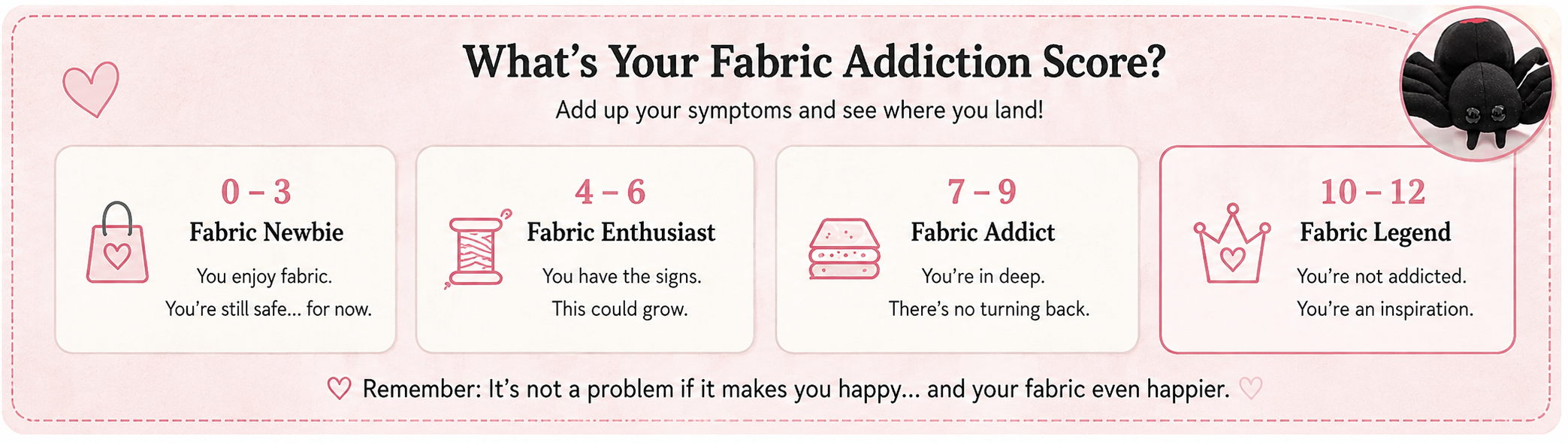
Gary’s Final Advice
The true warning sign is not how much fabric you own. The warning sign is looking at an overflowing shelf and thinking:
“I don’t have the right fabric for this project.”
Unfortunately, there is only one known treatment.
You must go fabric shopping.
— Gary
Quality Assurance Director
Eight legs. Many opinions. No restraint in the remnant aisle.
Put That Fabric Collection to Work
If your fabric shelves are approaching structural capacity, choose a new sewing pattern and turn some of your collection into something adorable.
Already used some of your fabric? Excellent. You have created space for more.