Leather & Faux Leather Sewing Tips
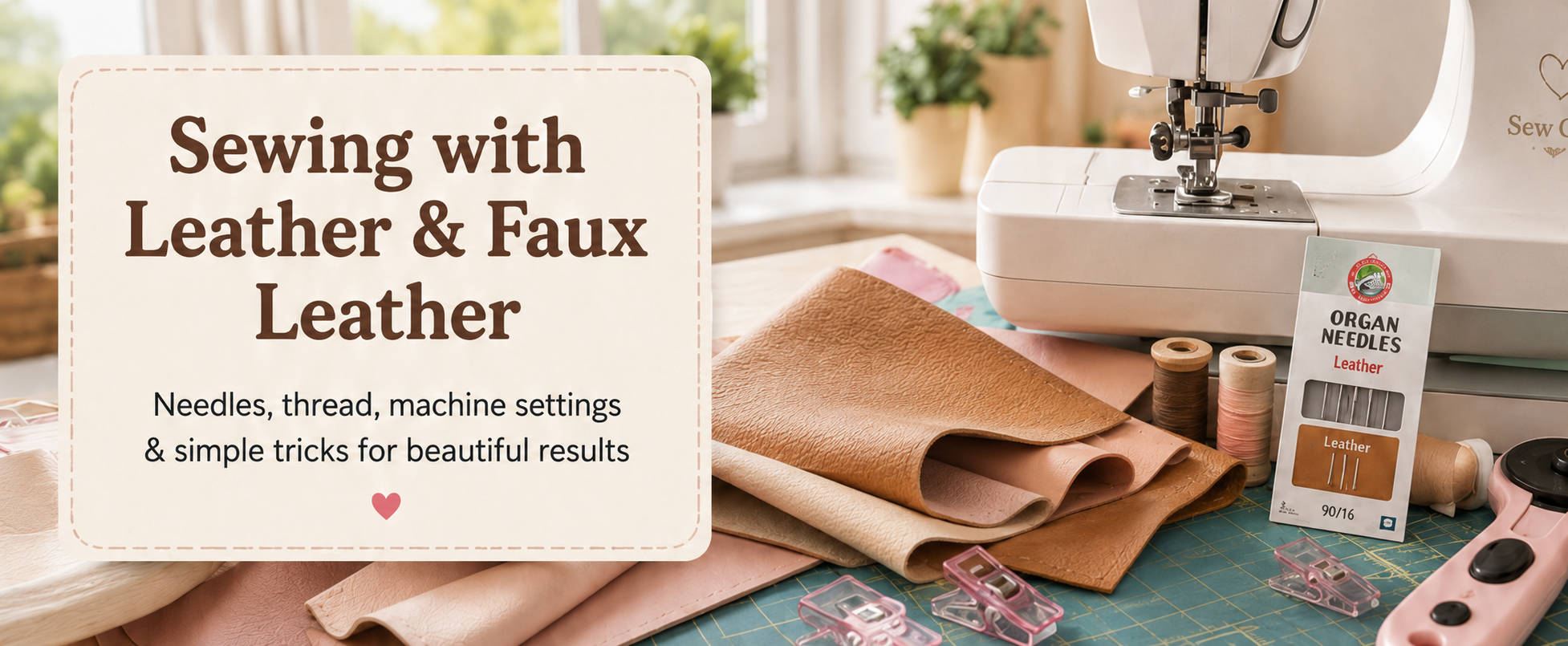
Sewing with leather and faux leather can be intimidating—these materials don’t behave like regular fabric. They’re thick, slippery, and unforgiving of mistakes (hello, permanent needle holes!). But with the right tools and techniques, you can create stunning bags, jackets, and accessories.
Needles: The Key to Success
Sewing Machine Needles
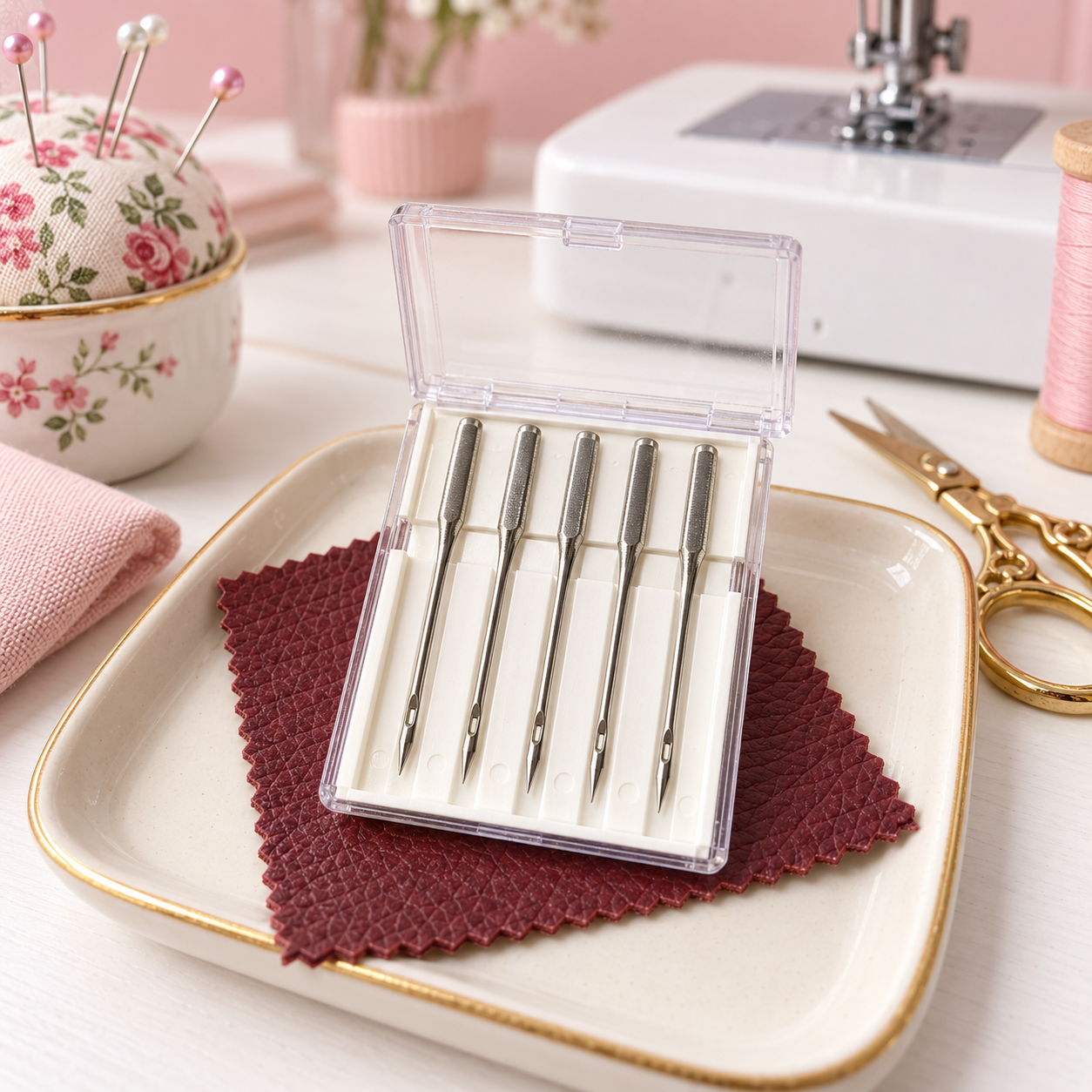
Leather Needles – Have a chisel point (not sharp) to pierce without tearing.
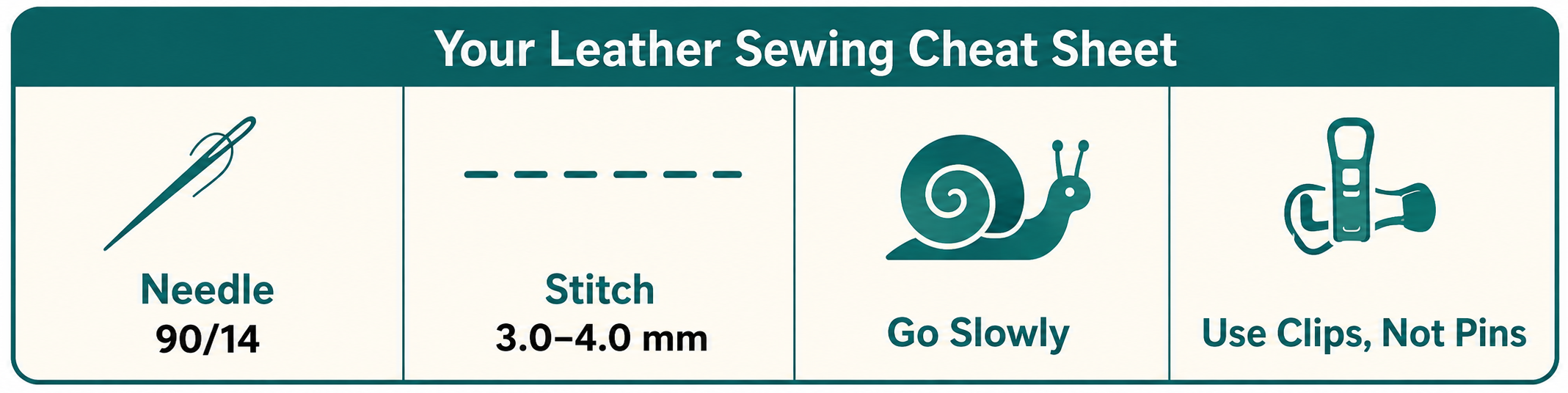
For Medium-weight leather: Schmetz Leather Needles (90/14)
For thick leather: Schmetz Heavy Duty Leather Needles (110/18).
Denim/Heavy-Duty Needles – A good alternative for faux leather if leather needles aren’t available.
Microtex Needles – Best for thin faux leather to prevent lifting the coating.
Recommended: Schmetz Microtex Sharp Needles (80/12).
🚫 Avoid universal needles—they can leave jagged holes or break.
Hand-Sewing Needles
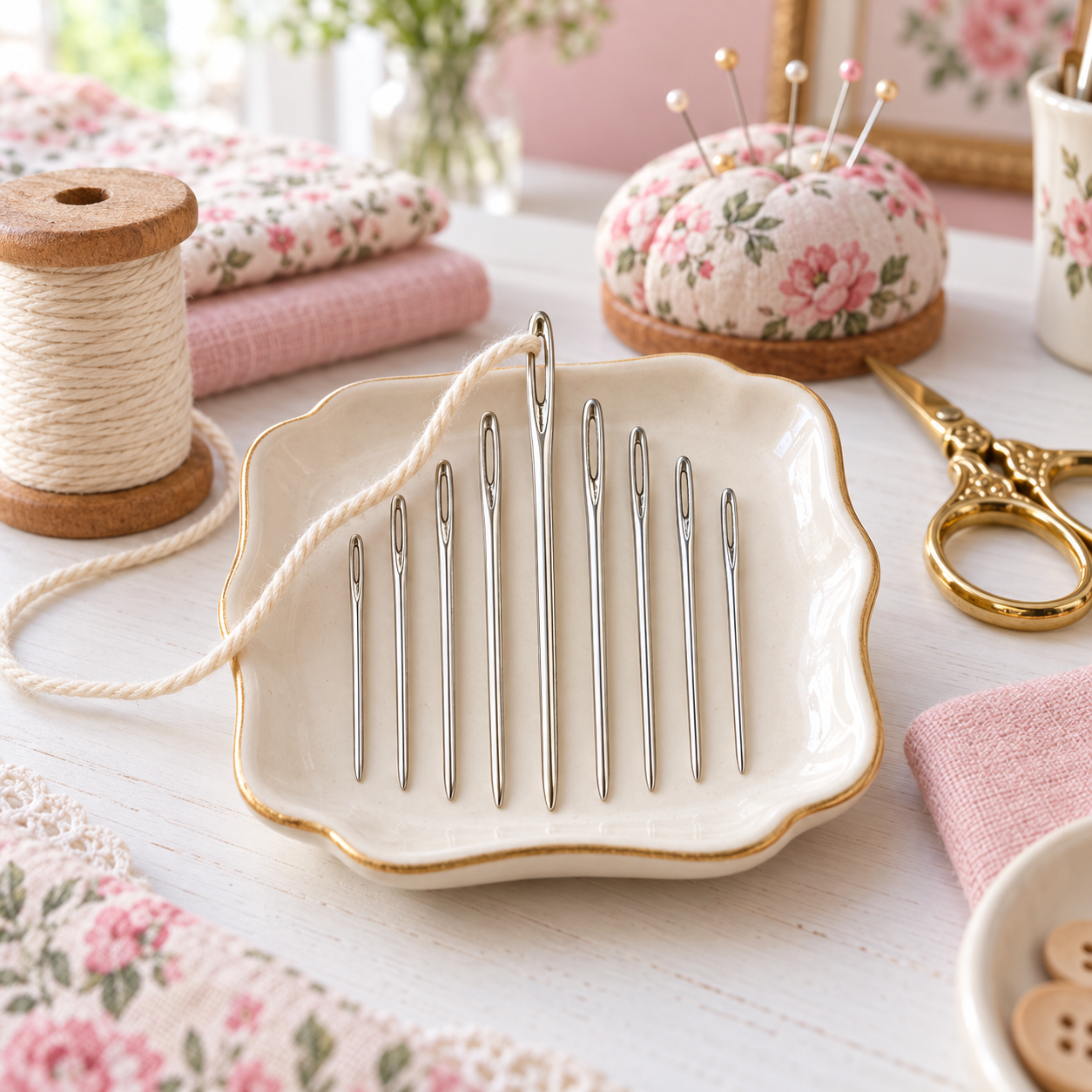
Glover’s Needles – Sharp, triangular points designed for leather.
Recommended: John James Glover’s Needles
Harness Needles – Strong, thick needles for heavy leather.
Saddler’s Needles – Extra-long for thick projects like belts.
Check out Tandy Leather Saddler’s Needles
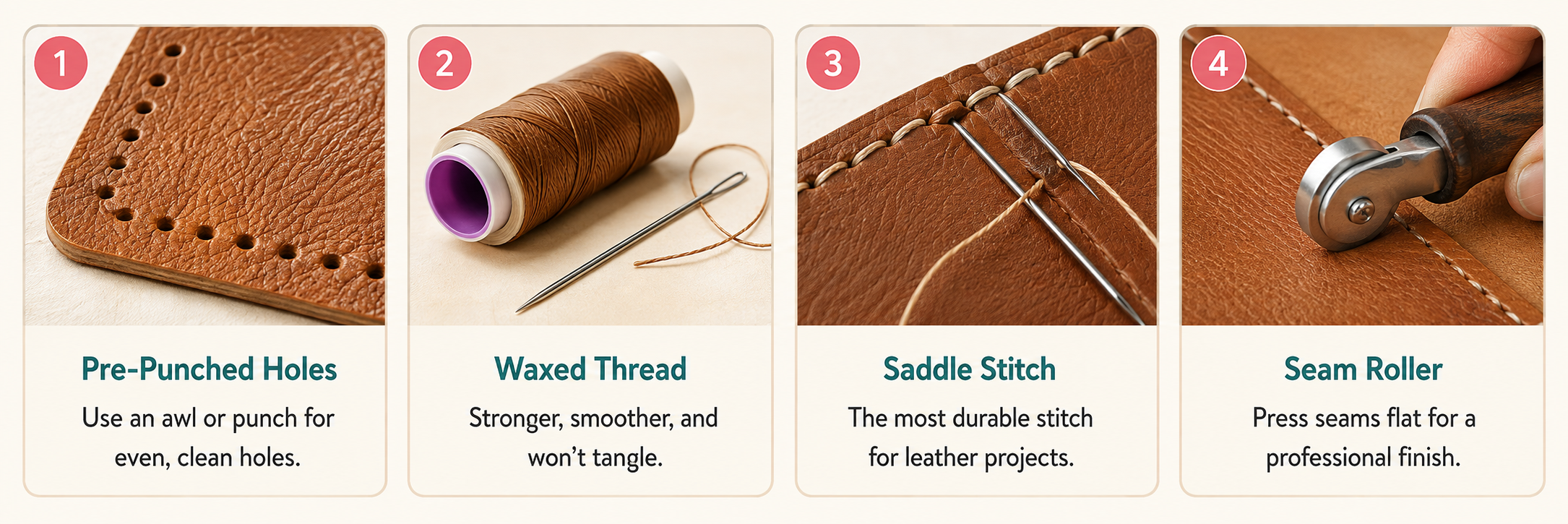
Tip: Pre-punch holes with an awl if leather is too thick for hand-sewing.
Thread: Strong & Durable
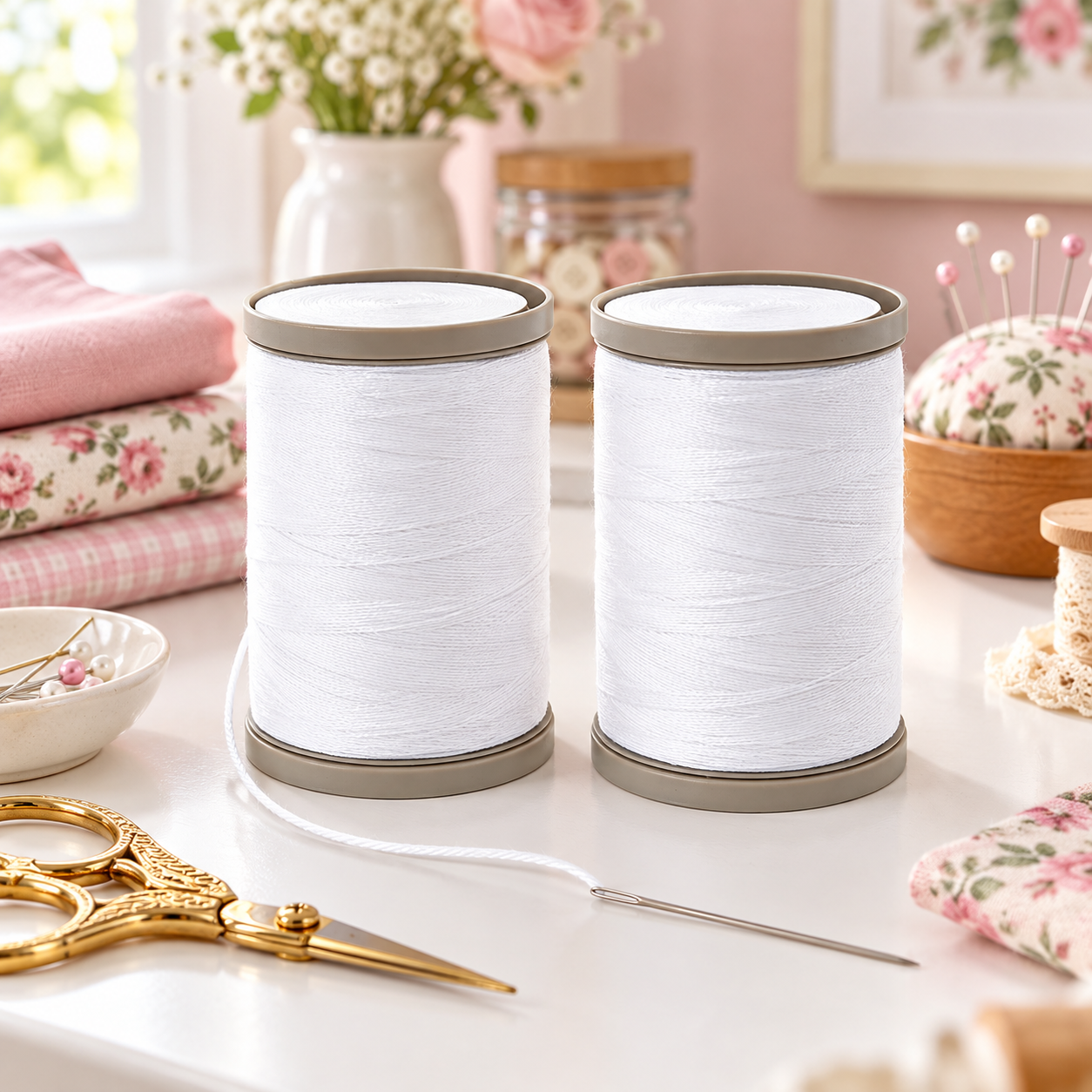
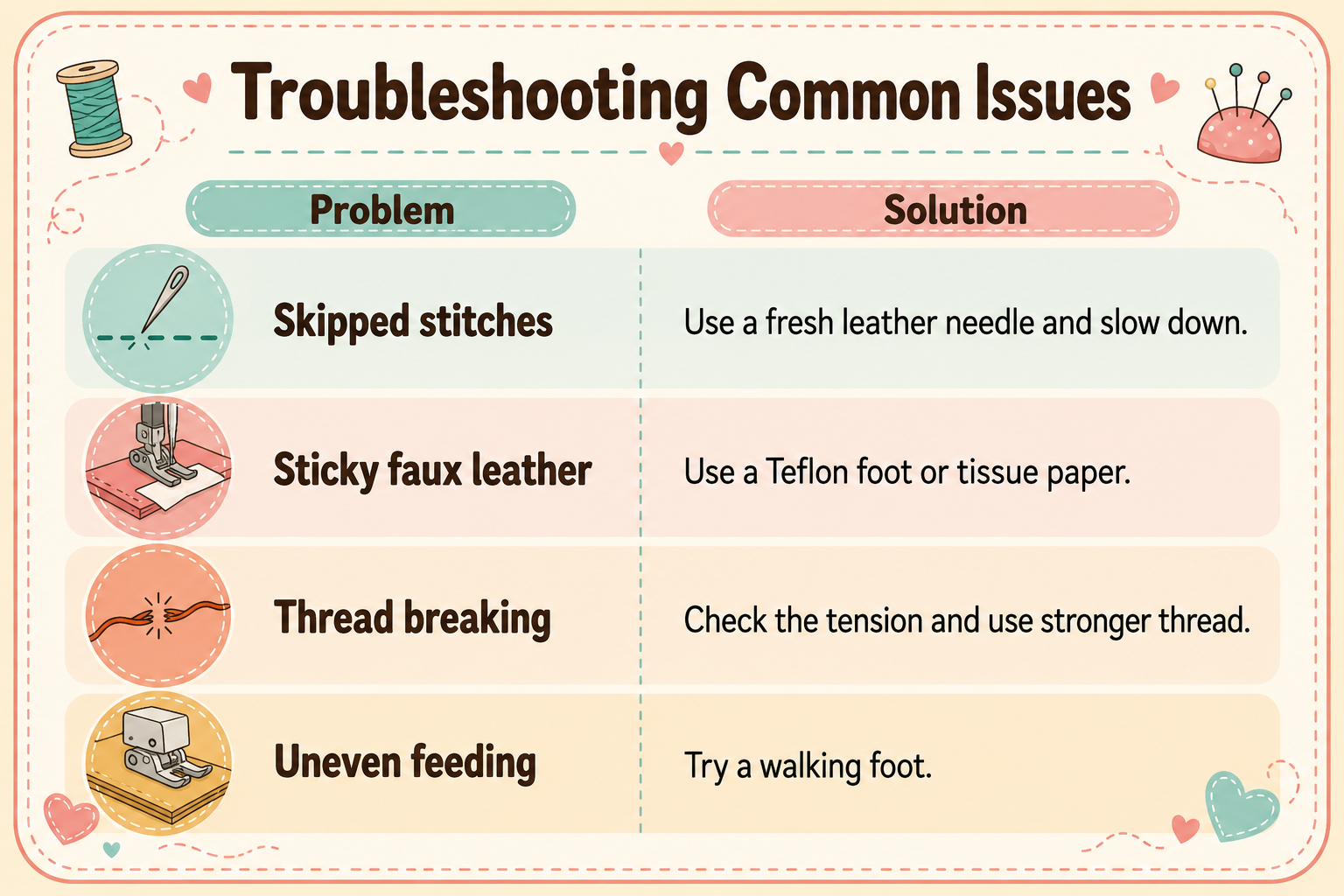
Polyester or Bonded Nylon Thread – Strong, flexible, and resists abrasion.
Recommended: Coats & Clark Dual Duty XP Heavy Thread.
Heavy-Duty Upholstery Thread – Great for thick leather projects.
Avoid Cotton Thread – It weakens over time and can snap under stress.
Pro Tip: Match thread weight to needle size—thicker thread needs a larger needle eye.
Machine Settings & Adjustments
Tension & Stitch Length
Stitch Length:3.0–4.0 mm (longer stitches prevent perforation tears).
Tension: Slightly looser than normal (test on scraps first).
Foot Pressure: Reduce if possible (prevents sticking).
Speed & Technique
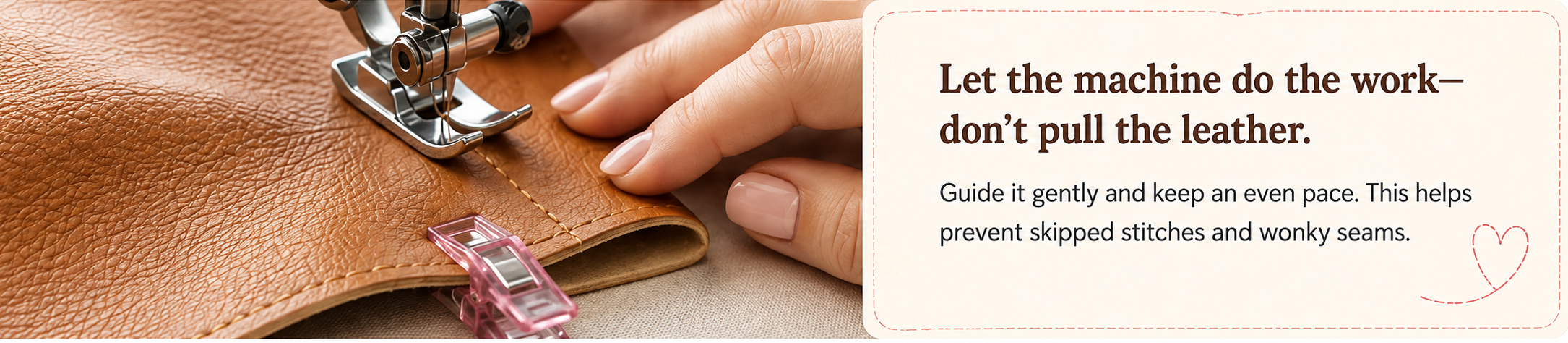
Go slow! Leather doesn’t like fast stitching—it can stretch or pucker.
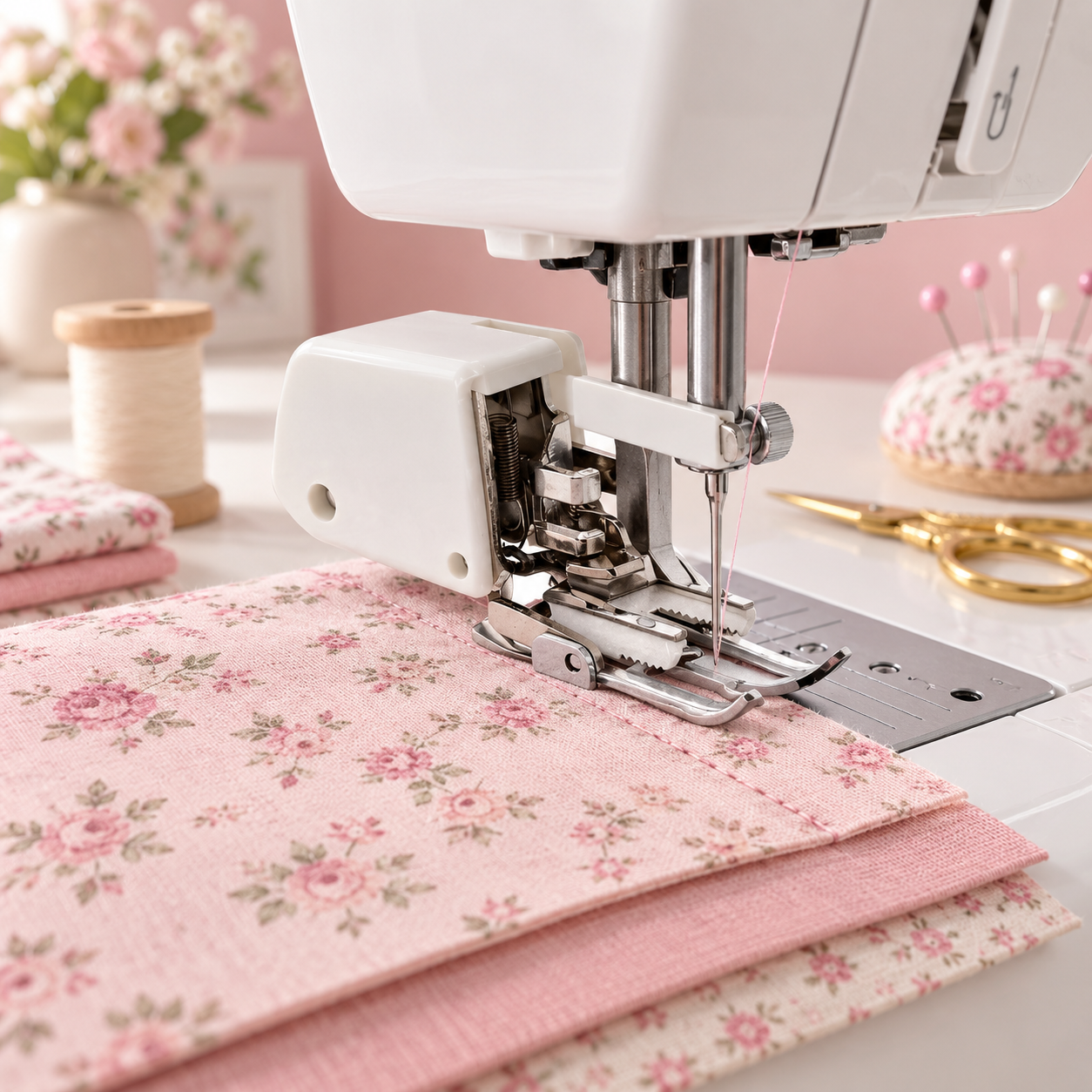
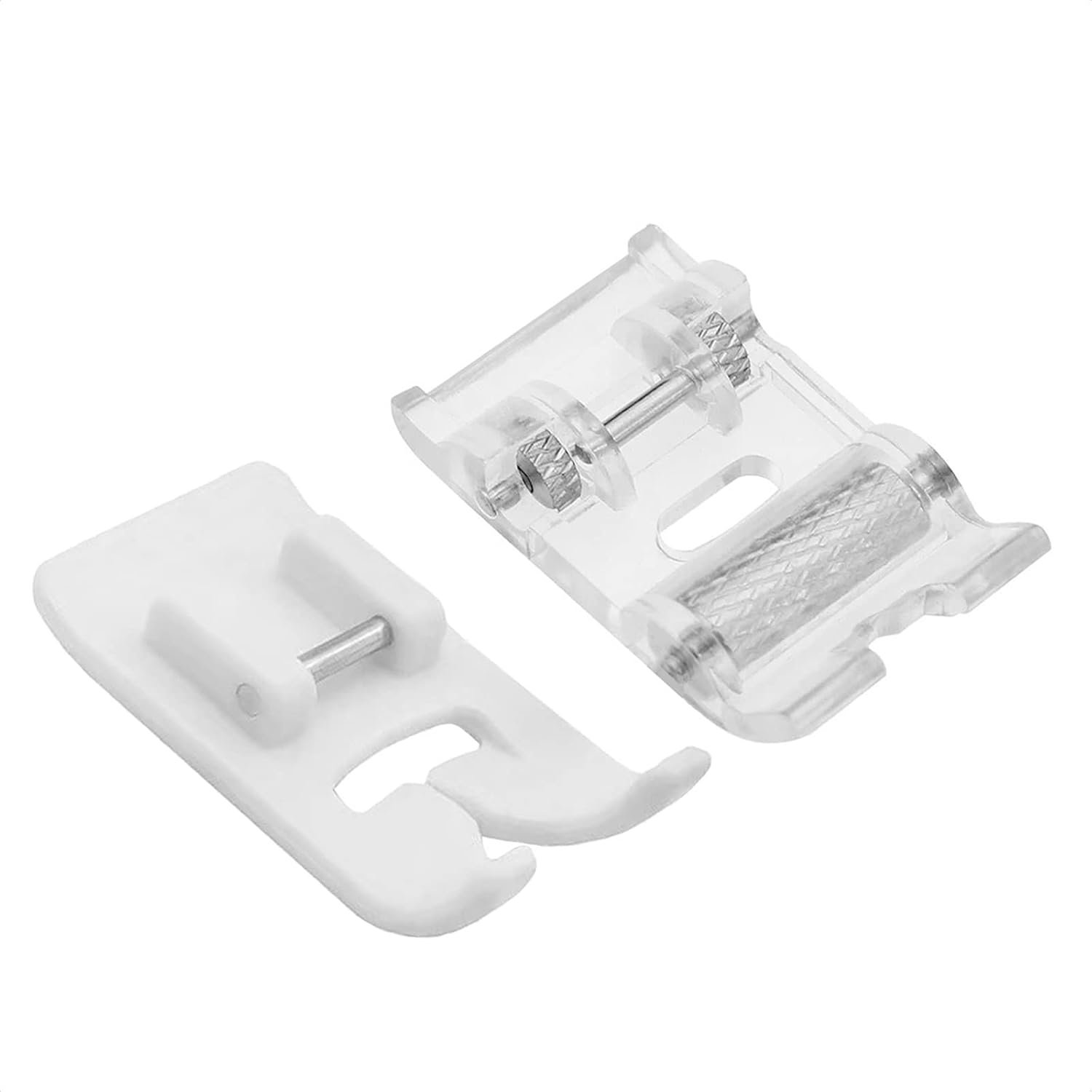
Use a walking foot (even feed foot) to prevent slipping.
Recommended: Singer Even Feed/Walking Foot.
Avoid backstitching (it weakens leather)—instead, knot threads manually.
Shop Essential Tools for Leather Sewing
Hand-Sewing Leather: Tips
Use a glover’s needle (sharp, triangular point).
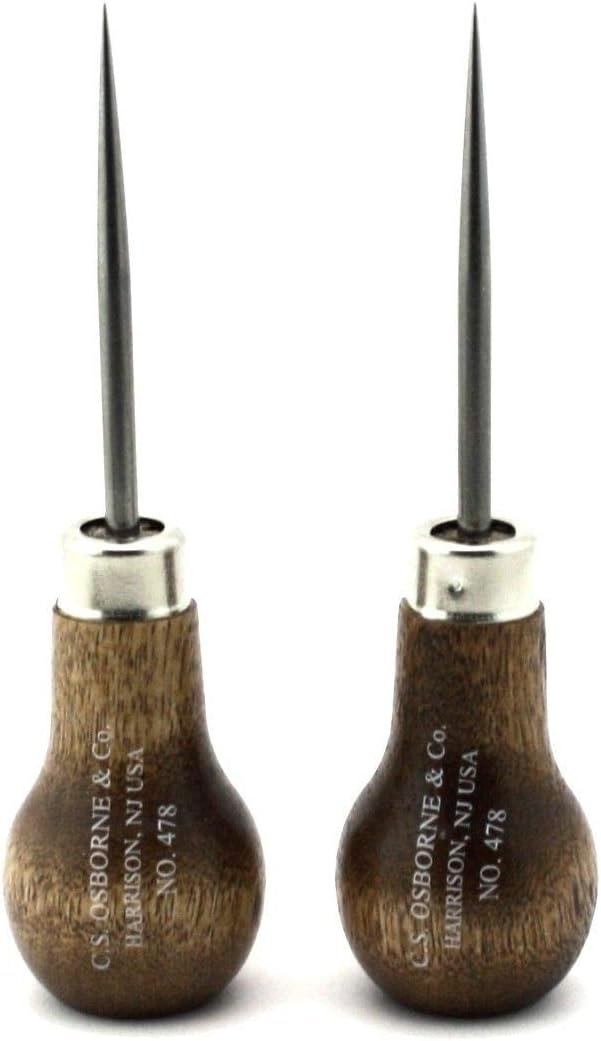
Pre-punch holes with an awl if leather is too thick.
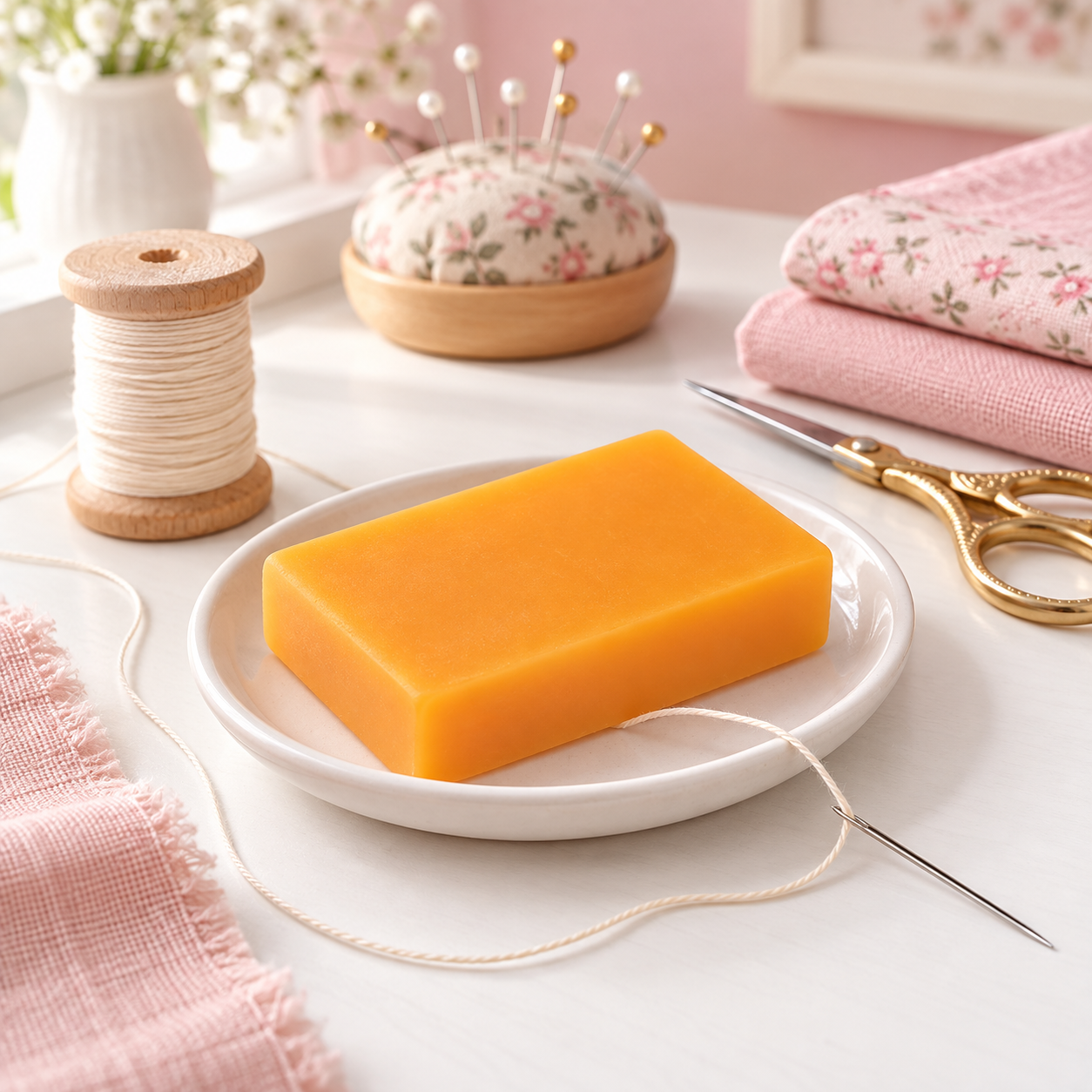
Beeswax your thread to reduce friction and tangling.
Saddle stitch (double-threaded hand stitch) for extra durability.
Pressing & Finishing Edges
Never iron leather directly! Use:
A cool iron with a pressing cloth (for faux leather).
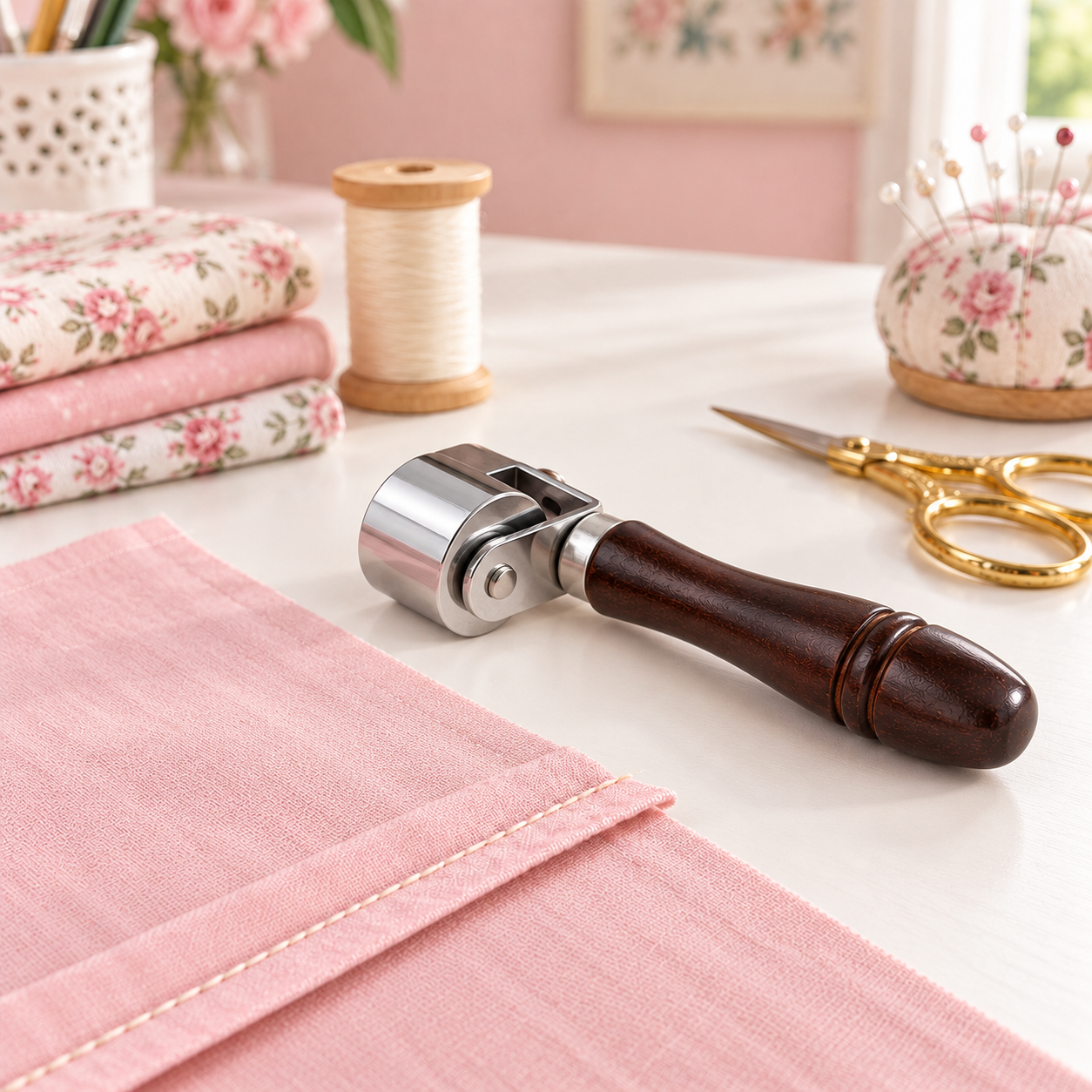
A wooden seam roller to flatten seams without heat.
Recommended: Seam Roller for Leather.
Edge Finishing Options:
Sand & edge paint (for real leather).
Fold & glue (for faux leather—use contact cement).
Recommended: Barge All-Purpose Cement.
Shop Fabric!


🛒 TORRAMI Soft Synthetic PU Fabric | 🛒 Faux Suede PU Leather Fabric | 🛒 New Weave Embossed Textured Faux Leather Sheets | 🛒 Holographic Iridescence Crocodile Faux Leather Sheets
Happy crafting!
Affiliate Disclosure: This post contains affiliate links. If you purchase something through one of these links, Sew Cute Patterns may earn a small commission at no additional cost to you. As an Amazon Associate, I earn from qualifying purchases.