Why Am I Having to Pull and Tug My Fabric While Sewing?
If you find yourself wrestling with your fabric and having to pull and tug while sewing, you're not alone! This can be super frustrating, especially when you’re trying to get those perfect, even stitches. Ideally, your sewing machine should be doing the hard work of pulling the fabric through, while you gently guide it along. If that’s not happening, there could be a few reasons why. Let’s dive into what might be causing this and how you can fix it!
Check Your Presser Foot Pressure
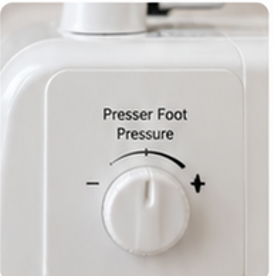
The presser foot presses the fabric down onto the feed dogs. If the pressure is set too high or too low, it can make your fabric drag or slip. Experiment with the pressure settings on your machine to find a happy medium where the fabric moves smoothly. Too much pressure can squash the fabric, while too little might not hold it firmly enough.
Feed Dog Issues
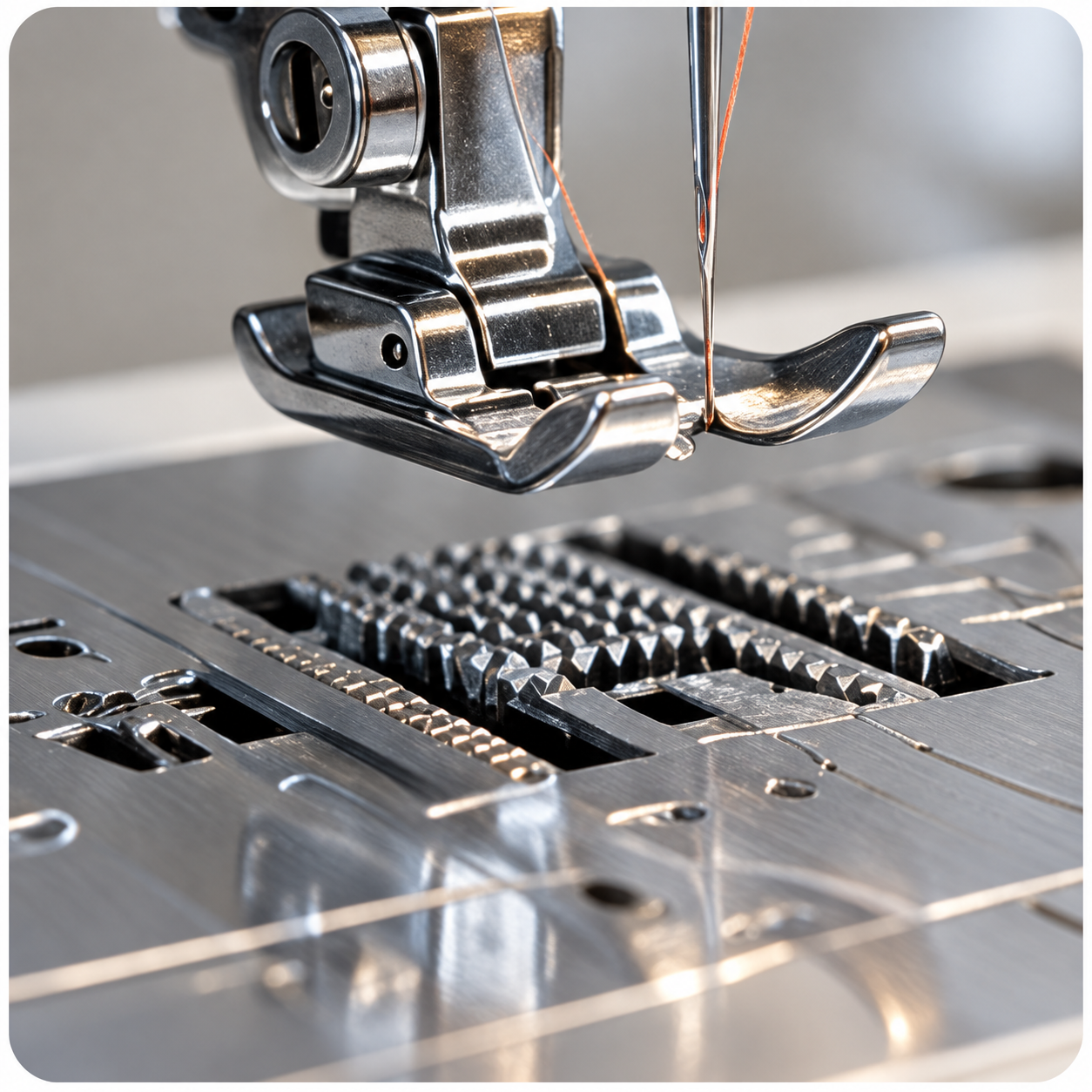
The feed dogs are the small metal teeth under your presser foot that grip the fabric and pull it through as you sew. If they aren’t working properly, you’ll feel like you’re doing all the work! Make sure they are in the "up" position—some machines have a setting to lower them for free-motion sewing. If they're not lifting the fabric as they should, it might be time to give your machine a little maintenance love.
Tension Troubles
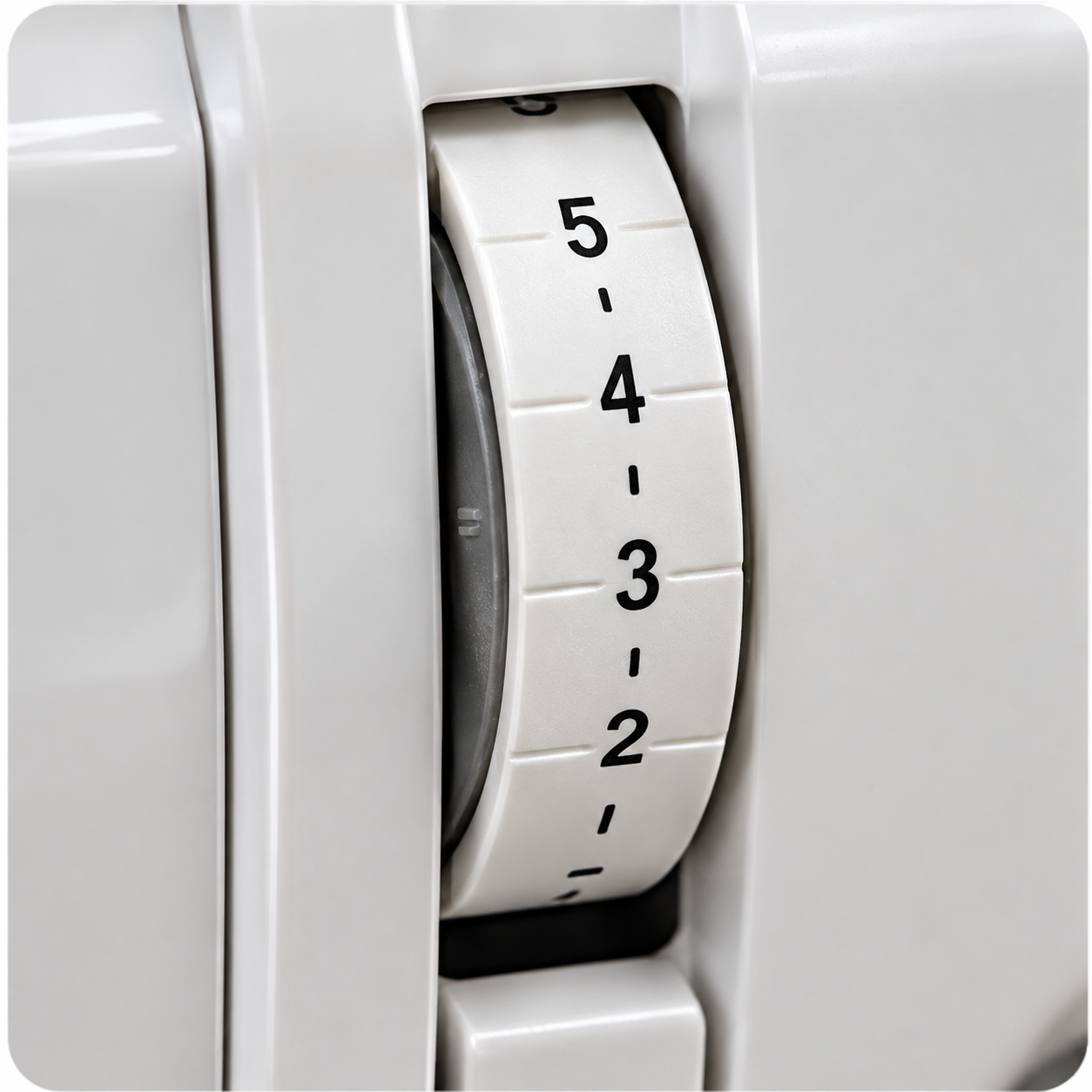
Thread tension plays a big role in how smoothly your fabric moves. If the thread tension is too tight, it can prevent the fabric from feeding through the machine properly. Try loosening the tension a little at a time and see if your fabric starts to flow more easily.
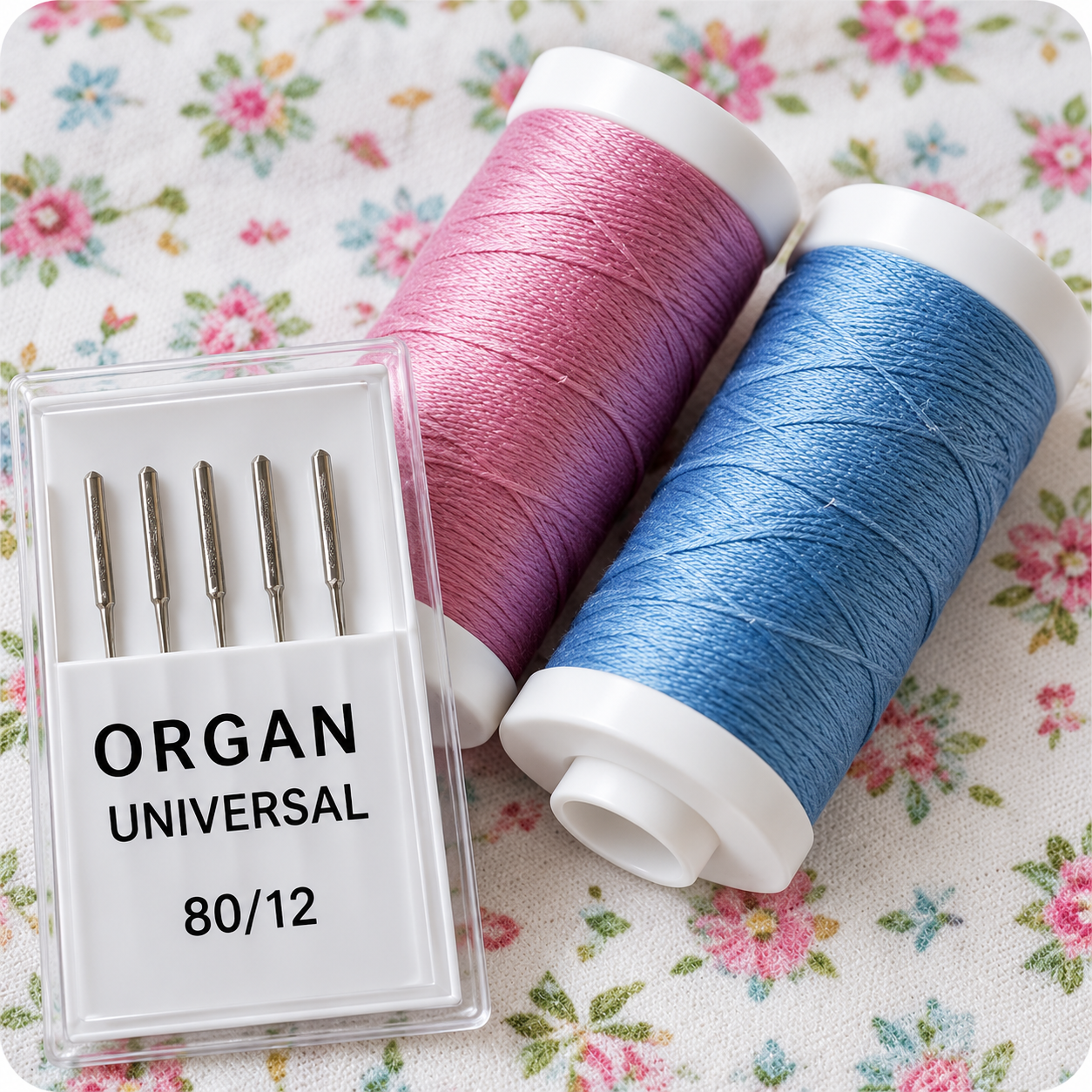
Don't Forget About Thread Quality
Using a cheap or old thread can cause issues with tension and fabric feeding. High-quality thread helps keep things moving smoothly, so it’s worth investing in! Make sure it’s appropriate for your fabric too; for example, use a polyester thread for stretch fabrics.
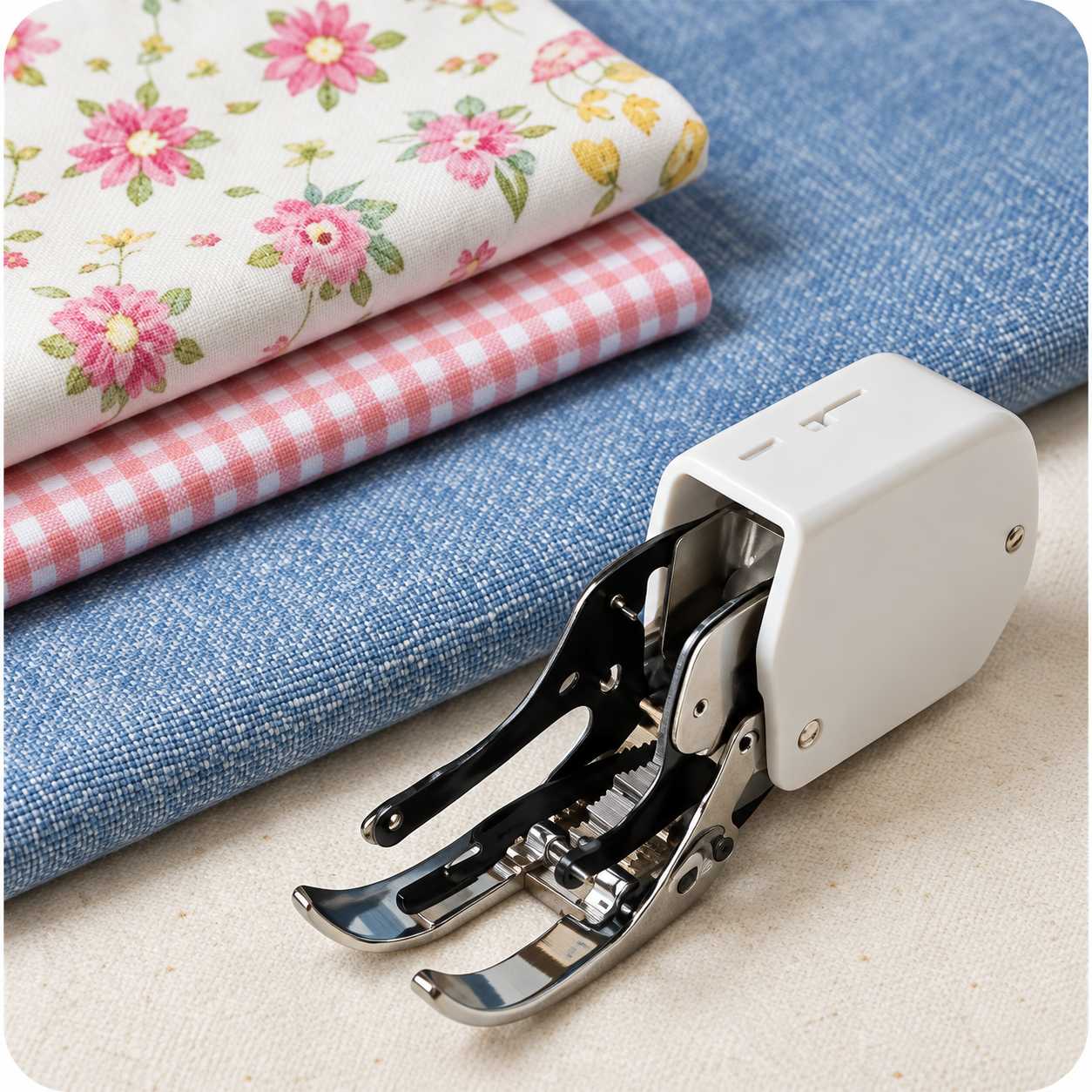
Consider the Fabric Type
Some fabrics are just trickier than others! Stretchy, slippery, or very thick materials may need a bit of extra help to glide through the machine. Try using a walking foot, Teflon foot, or even a specialized foot designed for your fabric type.
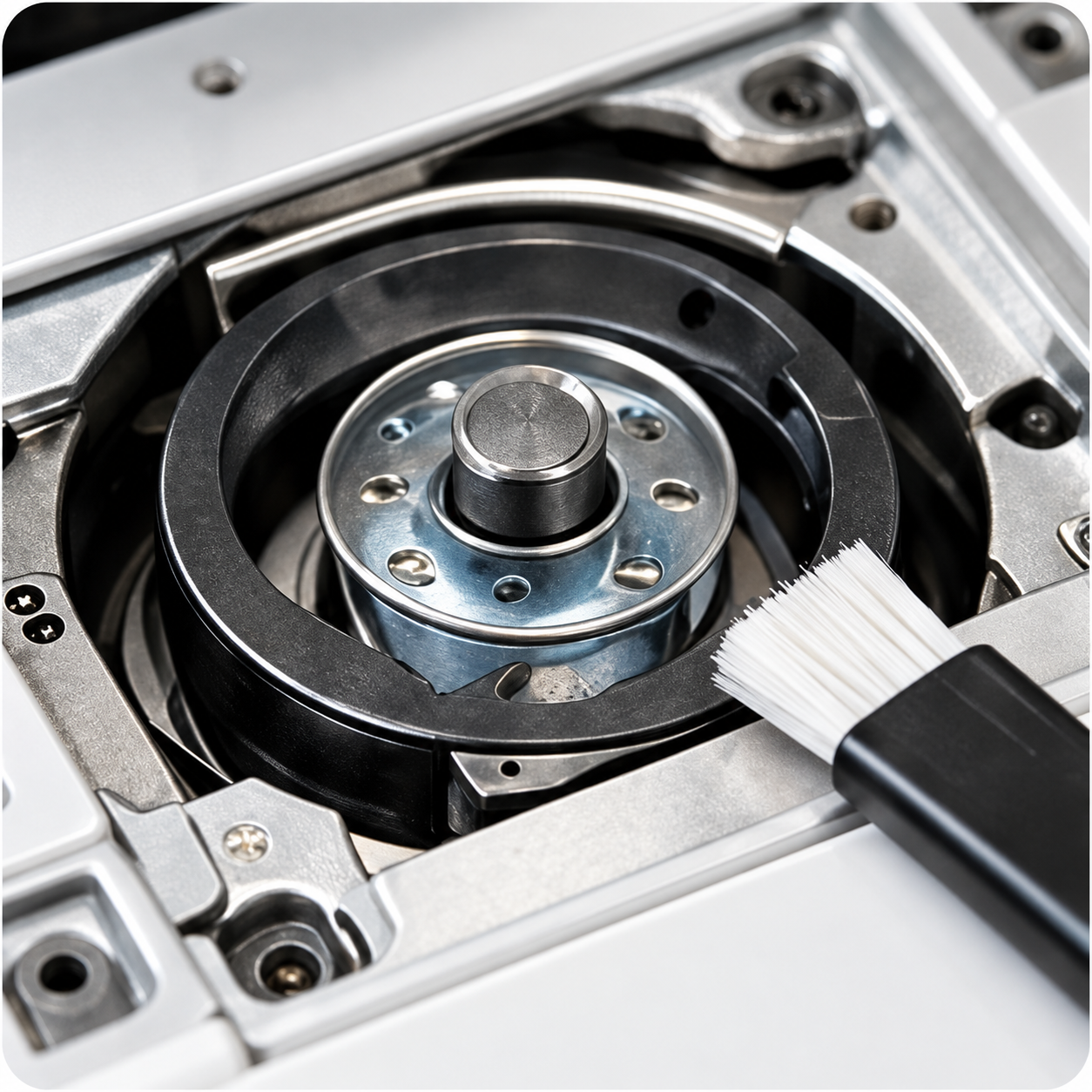
Machine Maintenance – When Was Your Last Tune-Up?
A sewing machine needs regular cleaning and lubrication to keep running smoothly. Dust and lint can build up, especially around the feed dogs, causing them to lose grip. Give your machine a good clean and oil according to your manual’s instructions.
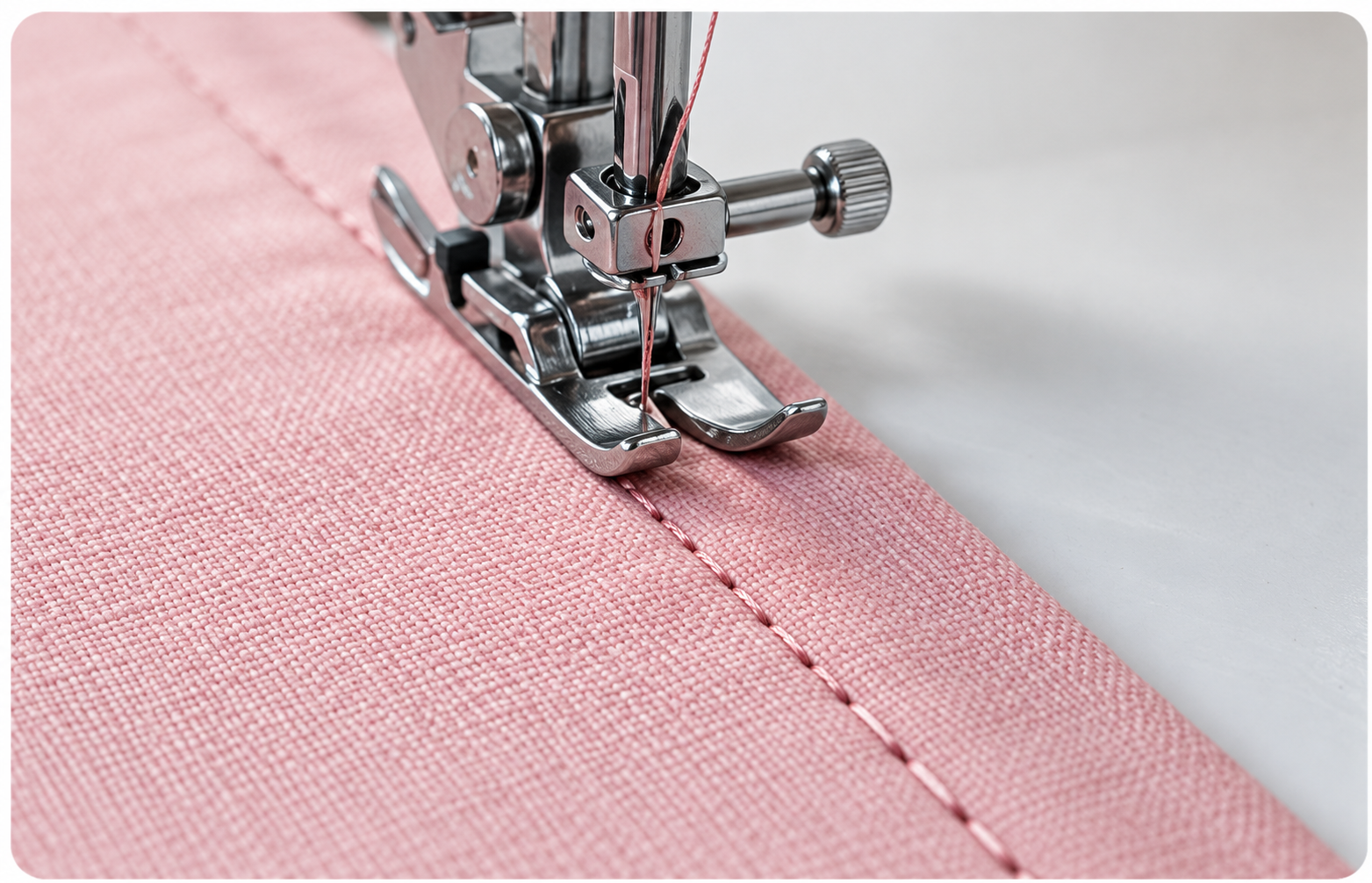
Needle or Needle Size May Be the Culprit
Believe it or not, the type and size of your needle matter! If you’re using a needle that’s too fine for thick fabric, or the wrong needle type (like a universal needle instead of a ballpoint for knits), it can create drag. Make sure you’re using a needle that matches your fabric type. A fresh needle is always a good idea if you’ve been sewing for a while!
A dull, bent, or otherwise damaged needle can snag the fabric or fail to pierce it properly. Try swapping out the needle for a new one—sometimes the simplest solutions are the best!
Sewing Shouldn’t Be a Tug-of-War
If you're still struggling after trying these tips, it might be time for a professional tune-up.
Sewing machines are hardworking tools, and a little TLC can go a long way in keeping them stitching smoothly.
Hopefully, these troubleshooting tips help you get back to sewing without all that pulling and tugging!

Affiliate Disclosure: This post contains affiliate links. If you purchase something through one of these links, Sew Cute Patterns may earn a small commission at no additional cost to you. As an Amazon Associate, I earn from qualifying purchases.
Shop Patterns | sewing tutorials | sewing blog | Shop sewing supplies