How to Wind Your Bobbin Correctly: Keep Your Sewing on a Roll!
Nothing stalls a project quite like a messy bobbin! Whether you’re new to sewing or a seasoned stitcher, understanding how to wind a bobbin properly will help your machine run smoothly and prevent frustrating snags. Here’s a step-by-step guide to winding your bobbin the right way so your sewing session can flow like butter!
Why Bobbin Winding Matters
The bobbin provides the bottom thread for your stitches, and the way it’s wound affects the overall stitch quality. Poorly wound bobbins can lead to skipped stitches, loops, and thread tangling. But no worries—getting it right is easy when you follow these tips!


Step 1: Gather Your Supplies and Prep the Machine
Before starting, make sure you have:
A spool of thread in your desired color.
An empty bobbin (the type should match your machine—check your manual to be sure).
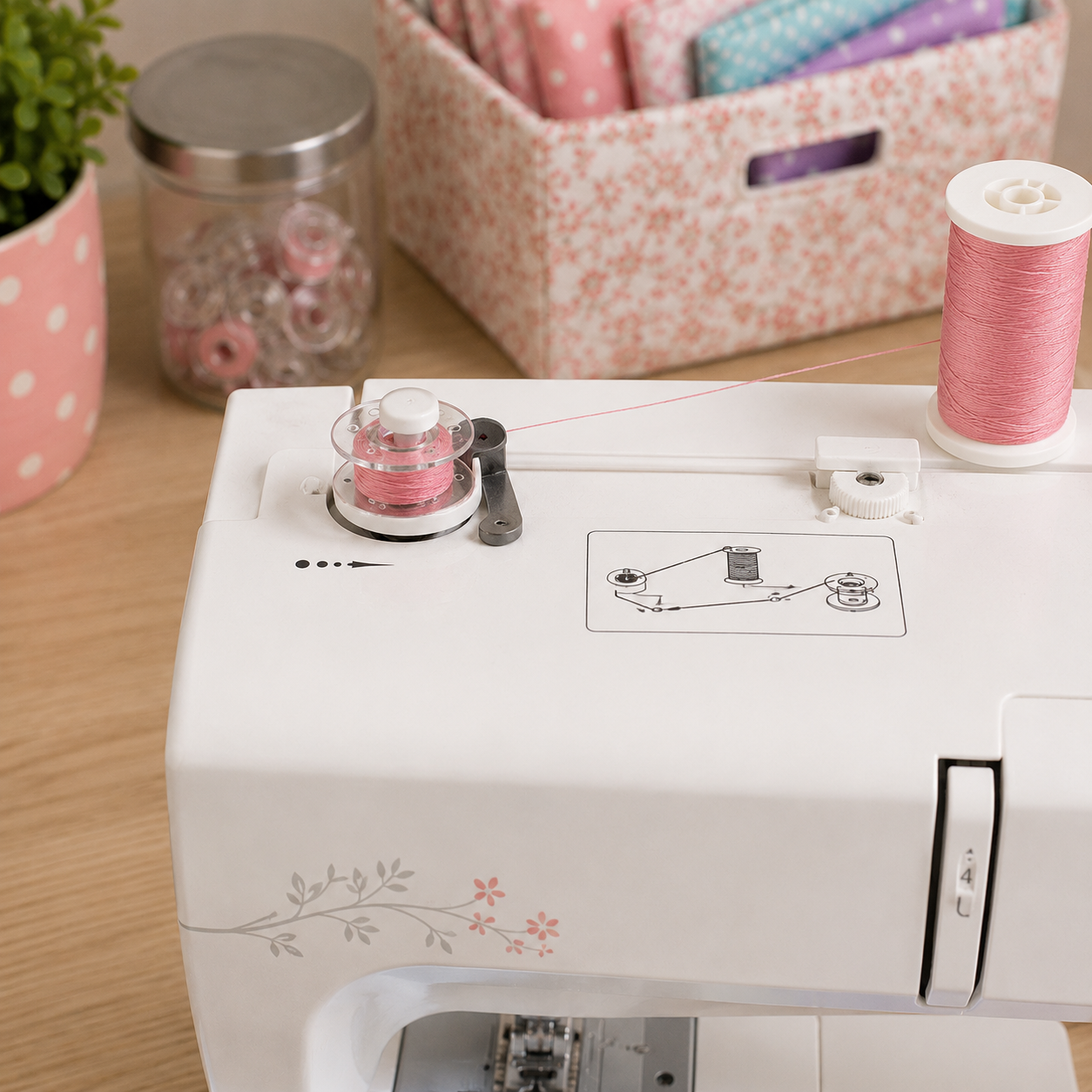
Place the thread spool on the spool pin and secure it with a spool cap, if available.
Pull the thread end toward the bobbin winder, following your machine’s threading diagram. Many machines have arrows to show you the path—trust those arrows!

Step 2: Position and Prepare the Bobbin
Place the bobbin on the bobbin winder spindle. Some machines require a slight push or twist to secure it in place. Slide the bobbin winder to the side, which usually engages the winding mode (you may also hear a “click”).
Pro Tip: Ensure the thread winds from the inside out to create even layers. If it looks loose or messy, stop and reset the bobbin to avoid issues when you start sewing.
Garment Sewing: Design Details on CreativebugStep 3: Start Winding the Bobbin
Hold onto the thread tail and press the foot pedal or start button gently. The bobbin will begin winding, and you can let go of the thread tail after a few turns. Be sure the thread is winding evenly from side to side.
If you notice uneven winding or any lumps, stop the machine, cut the thread, and start again. An uneven bobbin can create tension issues in your stitches, so it’s best to address it right away!
Step 4: Stop When It’s Full (But Not Too Full!)
Most machines have a stopper to halt winding when the bobbin is full, but if yours doesn’t, keep an eye on it. Avoid overfilling your bobbin, as too much thread can make it harder to insert or remove. When your bobbin looks comfortably full, you’re ready to cut the thread and disengage the winder.
Troubleshooting Common Bobbin-Winding Issues
Even seasoned sewists run into bobbin troubles. Here’s a quick troubleshooting guide:
Loose Winding: If the thread looks fluffy or uneven, it could be due to incorrect threading or a loose bobbin. Ensure you’re following the thread path and that the bobbin is firmly secured on the spindle.
Overfilled Bobbin: Resist the temptation to “top it off”! A too-full bobbin can jam the machine. Always wind until it’s full, but not overflowing.
Thread Not Catching: If the bobbin doesn’t seem to catch, check if your machine’s bobbin winder is fully engaged. Recheck your machine’s threading diagram for proper placement.
FAQ Section: Your Bobbin Winding Questions, Answered!
Q: How do I know if my bobbin type is compatible with my machine?
A: Machine manuals typically specify which bobbin types are compatible (e.g., plastic vs. metal, Class 15 vs. L-style). Sticking with your machine’s recommended type is key to preventing tension issues.
Q: Can I use different thread colors on my bobbin and top spool?
A: Absolutely! Mixing colors is a great way to add creative contrast, especially for topstitching. Just make sure the threads are of similar weight to avoid uneven stitches.
Q: Why does my bobbin thread sometimes get stuck?
A: Stuck bobbin threads often result from improper winding or inserting the bobbin incorrectly. Be sure your bobbin is cleanly wound and that it’s inserted according to your machine’s instructions.
Finishing Touches
Once you’re all wound up and ready to sew, don’t forget to rethread your top spool before diving into your project! A well-wound bobbin means fewer interruptions, which means more time to sew and create.
