Fusible Fleece: Your Secret Weapon for Soft and Sturdy Projects!
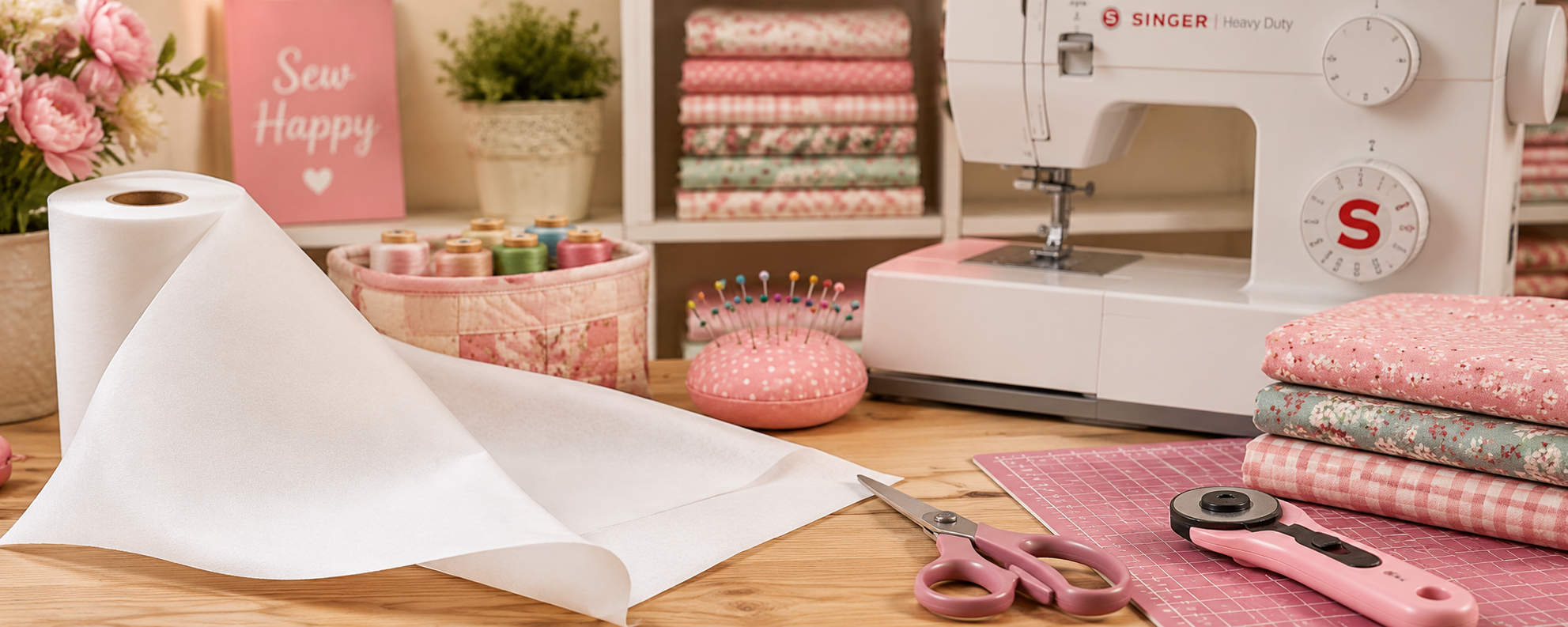
If you've ever wished your sewing projects had just a little more oomph—more structure, more softness, more squish—then let me introduce you to the magic that is fusible fleece! Whether you're crafting bags, quilts, or cozy home decor, this handy material is about to become your new best friend.
join amazon prime!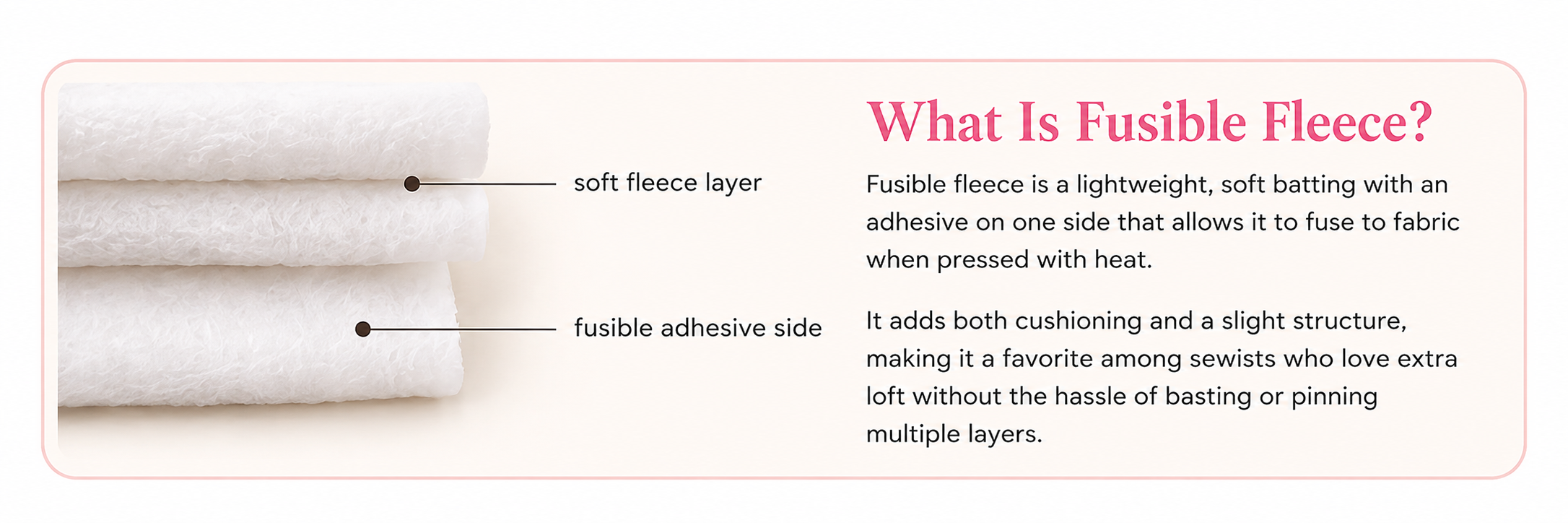
Why Use Fusible Fleece?
Why should you reach for fusible fleece instead of traditional batting or interfacing? Here’s what makes it sew special:
✔ Adds Structure Without Bulk – Perfect for soft yet structured projects like tote bags and pouches.
✔ No Shifting, No Basting! – The fusible side adheres to fabric, eliminating the need for excessive pinning or basting stitches.
✔ Provides a Cushiony Feel – Great for making quilts extra cozy and giving bags a plush finish.
✔ Prevents Wrinkling – Helps stabilize fabric for a more polished look.
Join Creativebug - Your hub for art & craft inspiration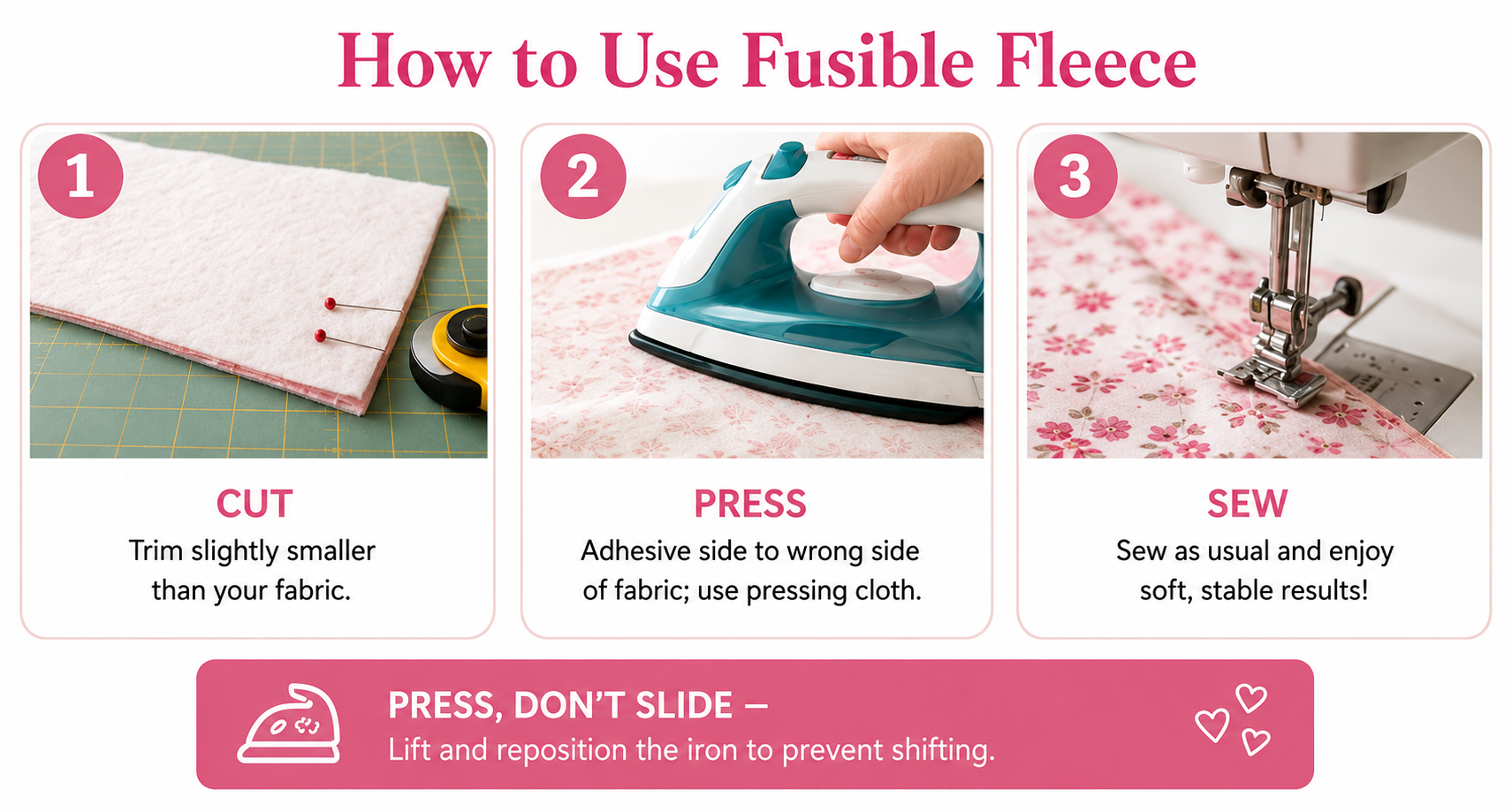
Best Uses for Fusible Fleece
Bags & Pouches – Adds just the right amount of structure and softness.
Quilts – Use it as a stabilizing layer to create warm and cozy quilts.
Home Decor – Think placemats, coasters, table runners, and even padded wall hangings!
Garment Making – Great for adding warmth and light structure to jackets and vests.
Where to Buy Fusible Fleece
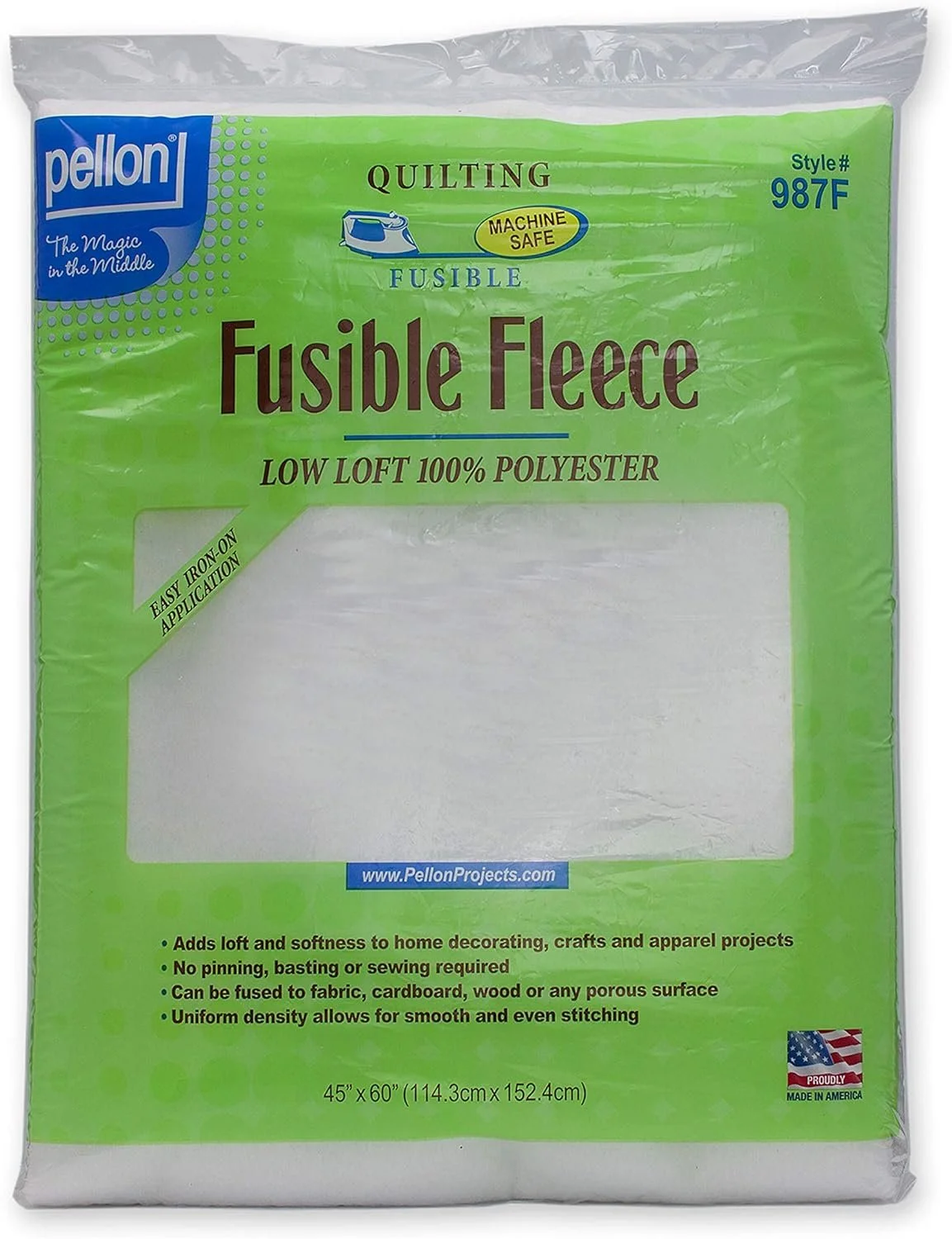
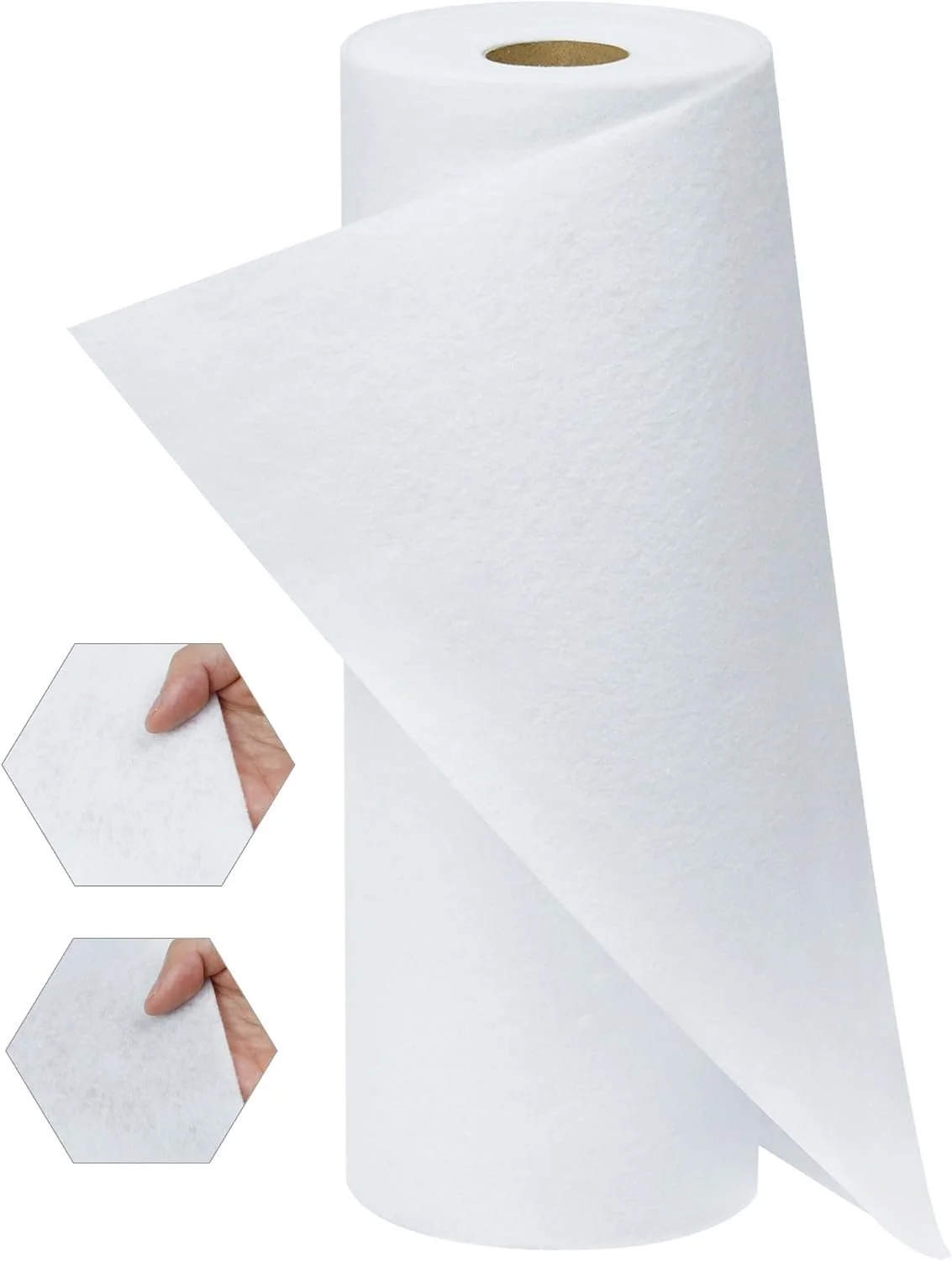
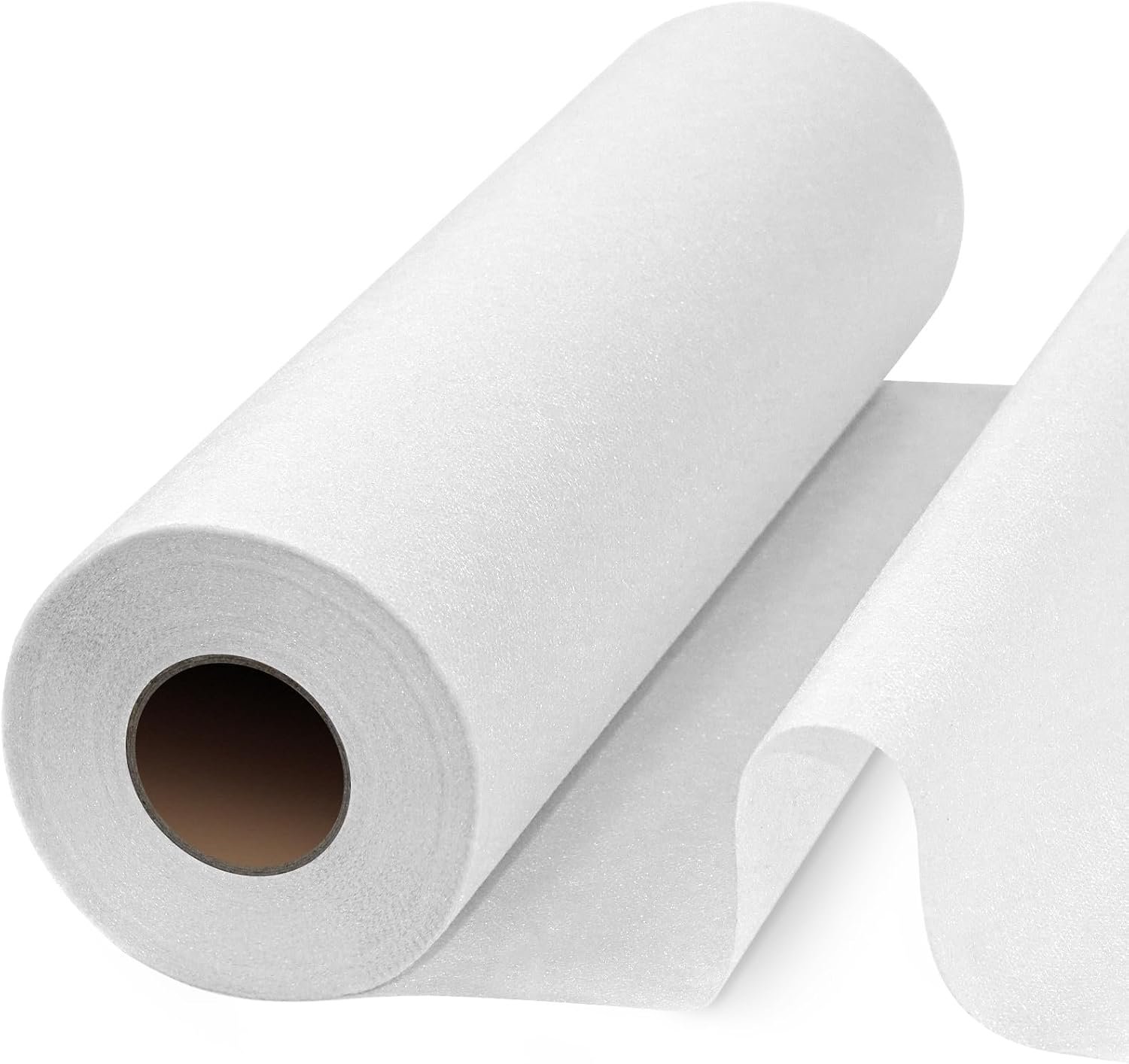
Troubleshooting & Tips
Fabric Not Sticking?
Ensure your iron is set to the right heat and that you're using a pressing cloth. Some fleeces take longer to fuse, so be patient!
Too Stiff?
If you want a softer result, try a thinner fusible fleece or use non-fusible batting instead.
Edges Peeling?
Secure with a few extra stitches around the edges to prevent lifting over time.
Fusible fleece is an absolute game-changer for sewists who want a professional, polished look without the extra hassle. Whether you're making a structured tote bag, a cozy quilt, or a stylish jacket, this magical material has got your back!
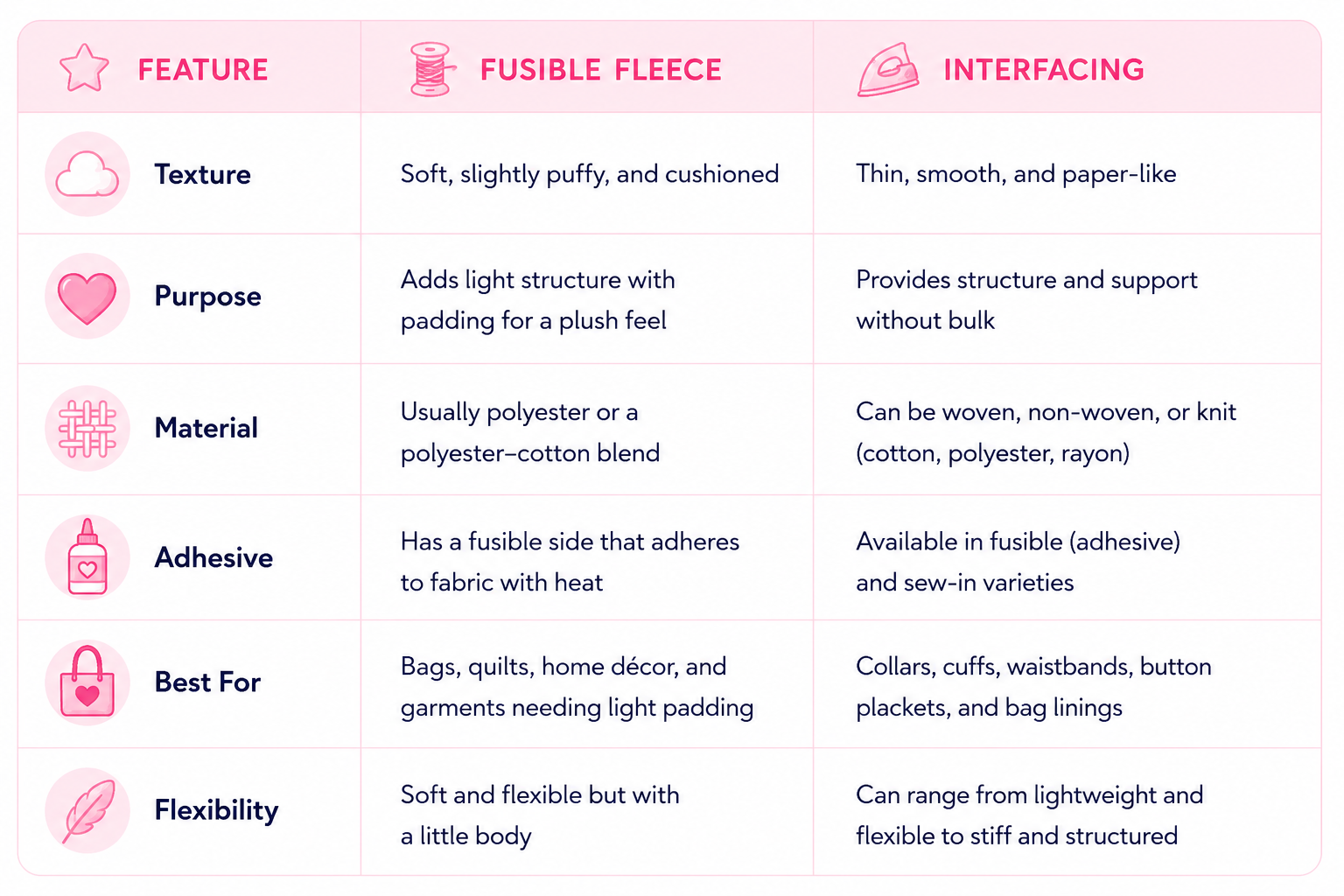
Fusible Fleece vs. Interfacing
When to Use What?
Choose fusible fleece when you want a bit of cushion, like in bags, quilts, or padded home decor items.
Choose interfacing when you need to add firmness or prevent fabric from stretching, like in collars, cuffs, or stabilizing a sewing project.
Shop Patterns
Sew Cute Patterns | Etsy
Affiliate Disclosure: This post contains affiliate links. If you purchase something through one of these links, Sew Cute Patterns may earn a small commission at no additional cost to you. As an Amazon Associate, I earn from qualifying purchases.