Fabric Scissors vs Rotary Cutter: Which One Should You Use?
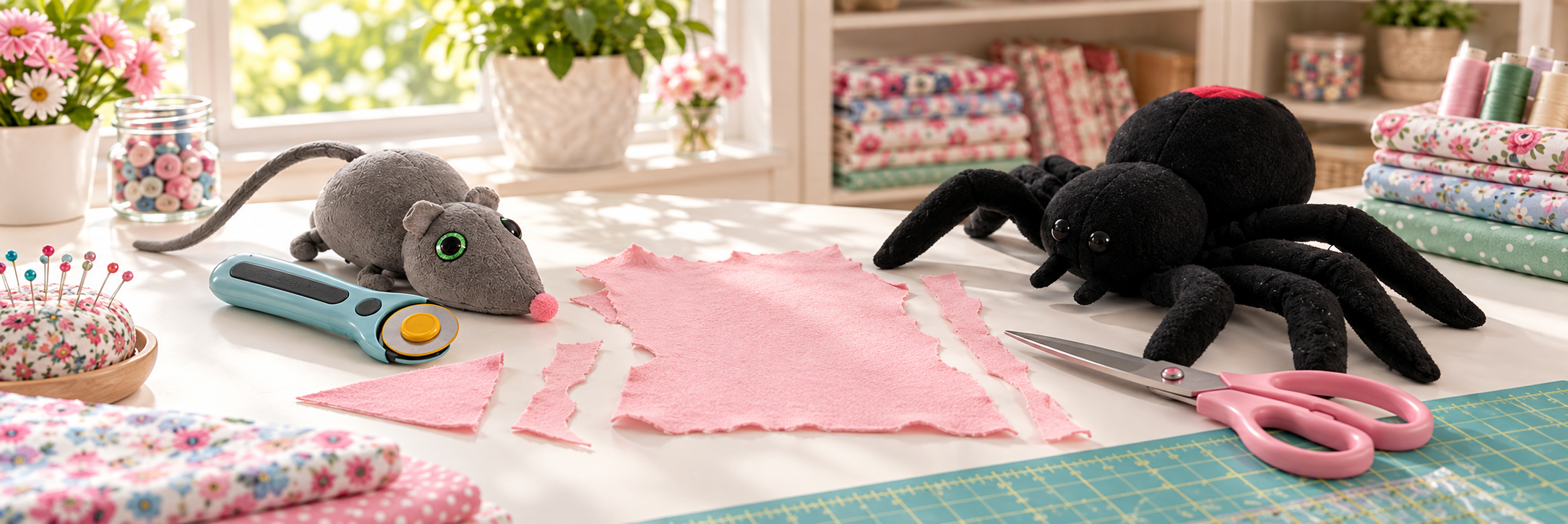
If you’ve ever stood over your fabric like, “Do I grab my scissors… or my rotary cutter?”, welcome to one of sewing’s most dramatic rivalries.
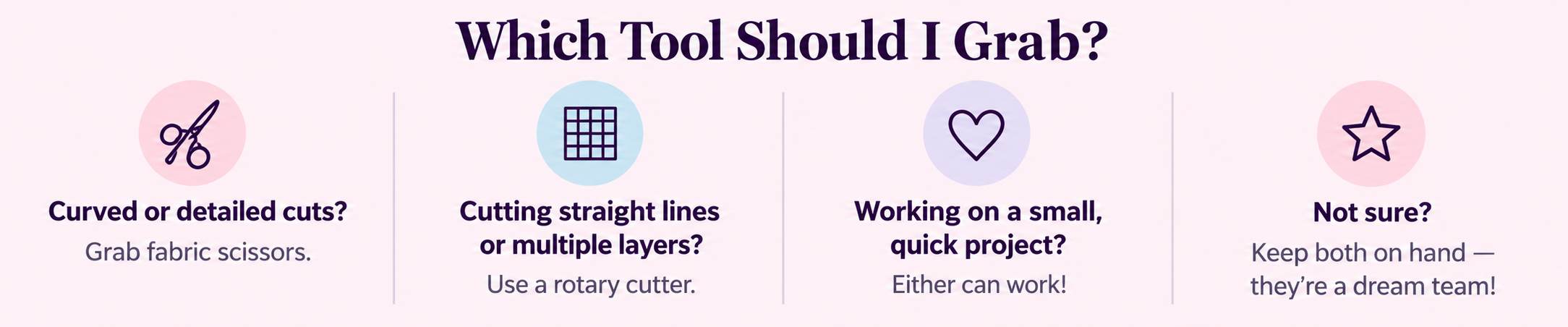
But here’s the truth plot twist: It’s not a competition… it’s a power duo. Let’s break down when each tool shines so you can cut smarter (and faster… and with fewer “why is this crooked?!” moments 😅).
What’s the Difference?
Fabric Scissors
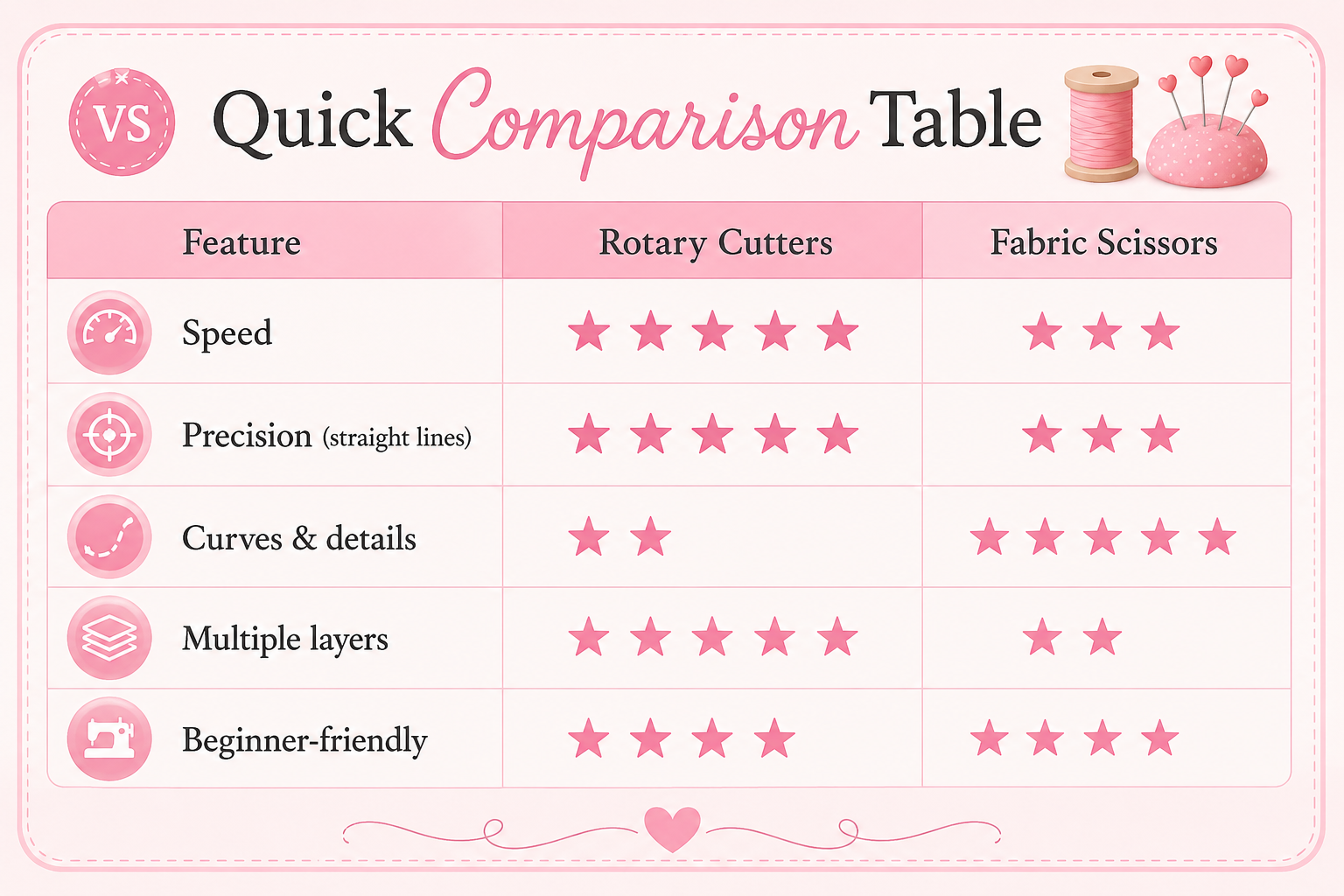
Classic, precise, and great for detail work
Cut by lifting fabric
Rotary Cutter
Rolls through fabric like butter
Used with a cutting mat + ruler
Best for speed and straight lines
Rotary cutters are especially loved in quilting because they create clean, accurate cuts and can slice multiple layers at once .
When a Rotary Cutter Works Better
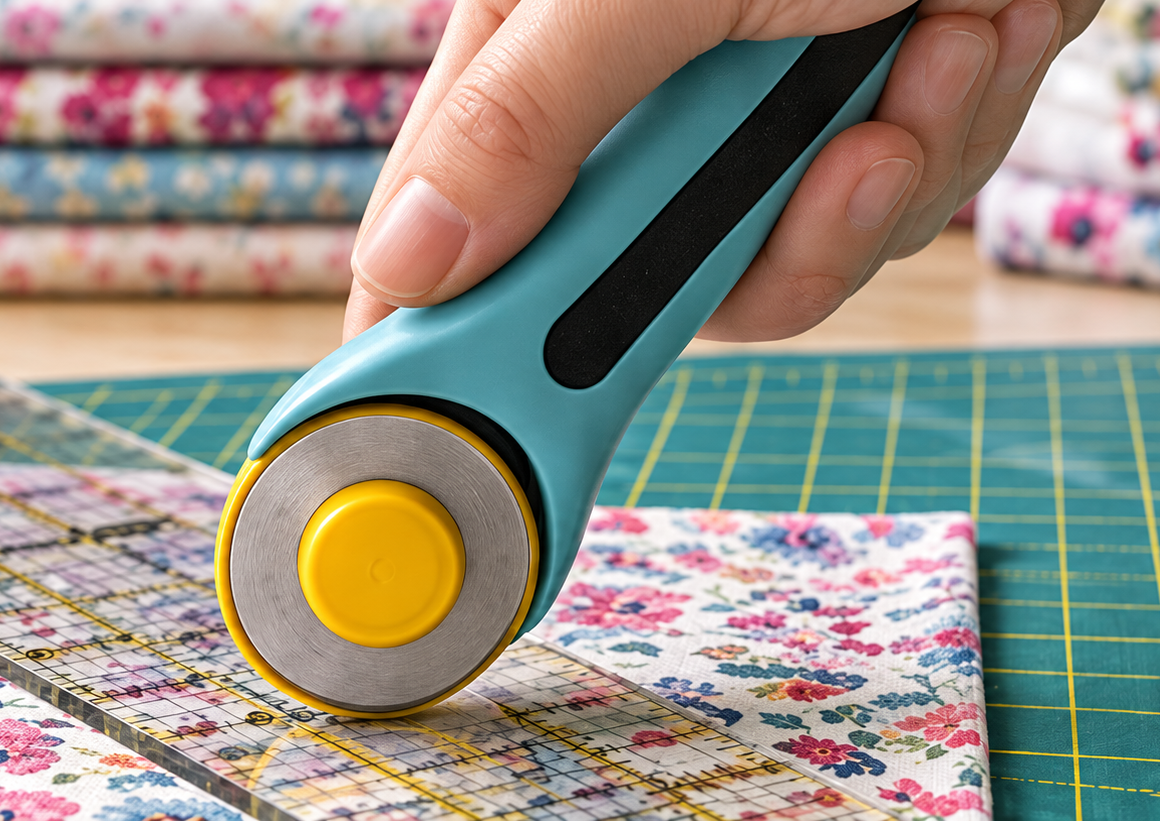
1. Long, Straight Cuts
If you want crisp lines without wrestling your fabric. Perfect strips and rectangles, no jagged edges, faster than marking + cutting
2. Cutting Multiple Layers at Once (hello, time saver)
Need 4 identical plush pieces? A rotary cutter can glide through stacked fabric like a hot knife through fleece. Many models are designed to cut several layers at once.
3. Slippery or Stretchy Fabrics (looking at you, minky 👀)
These fabrics love to move… at the worst possible time. Rotary cutters glide instead of lifting, reduce distortion, keep your pattern pieces accurate.
Rotary cutters keep everything flat and stable. Better accuracy, cleaner edges, less fabric shifting.
Rotary Cutting Setup
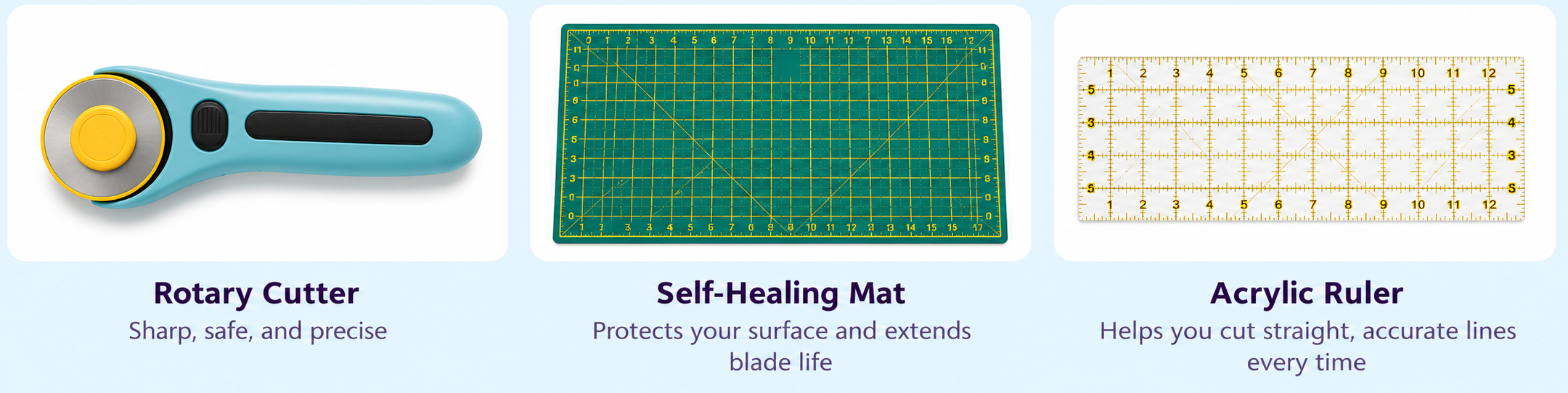
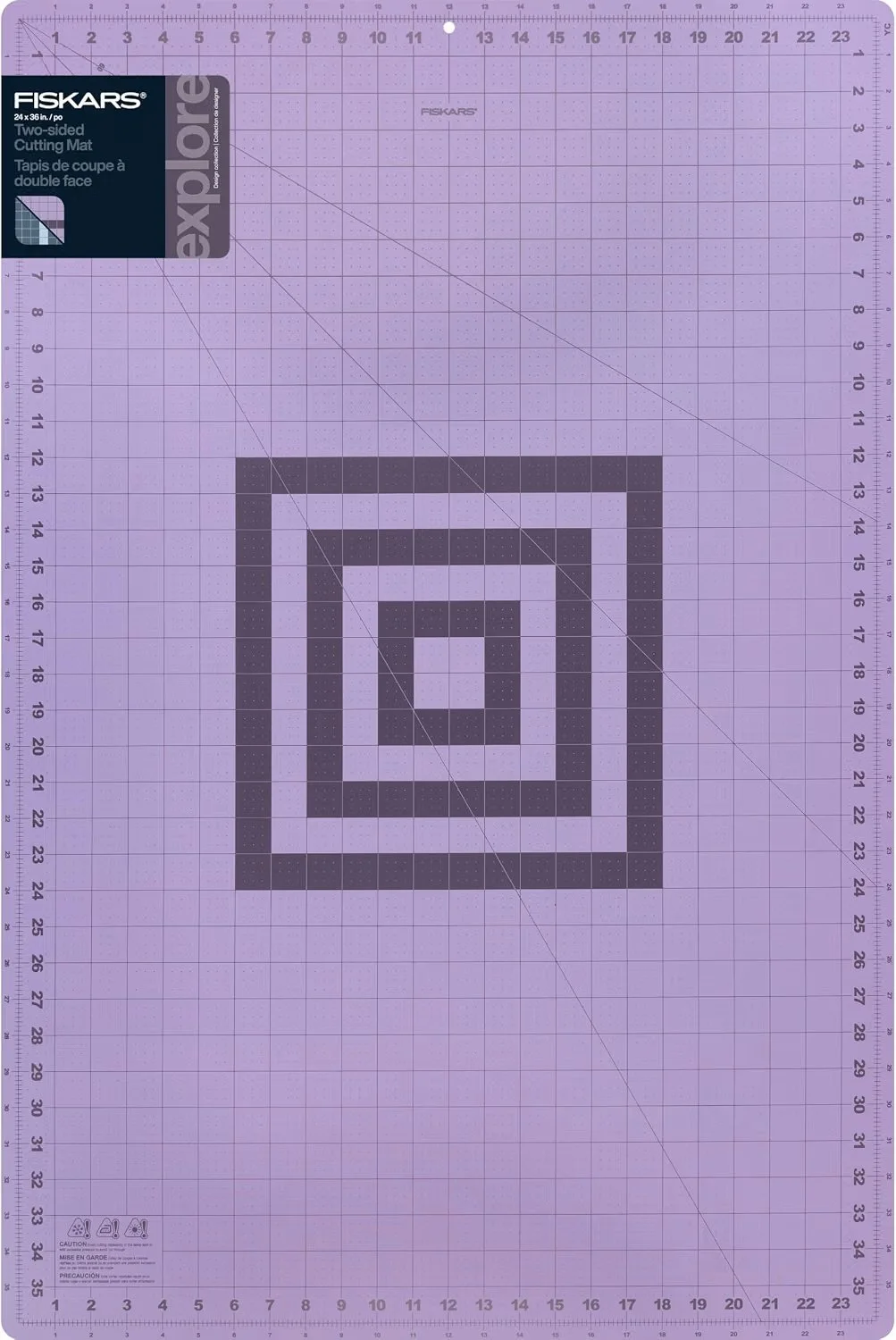
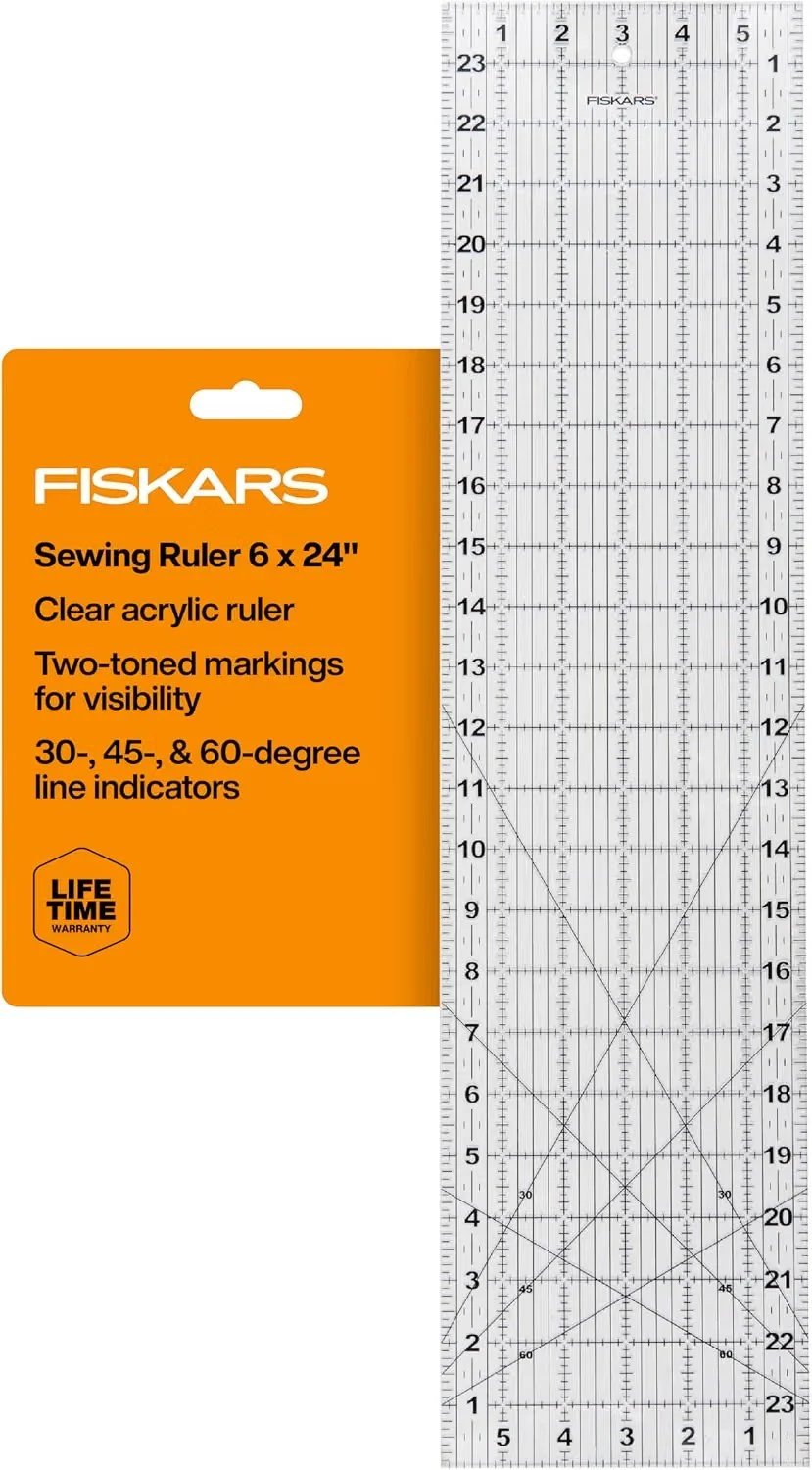
To really unlock rotary cutter magic, you need the full trio:
When Fabric Scissors Are Better
Rotary cutters are amazing… but scissors still hold their crown in certain moments.
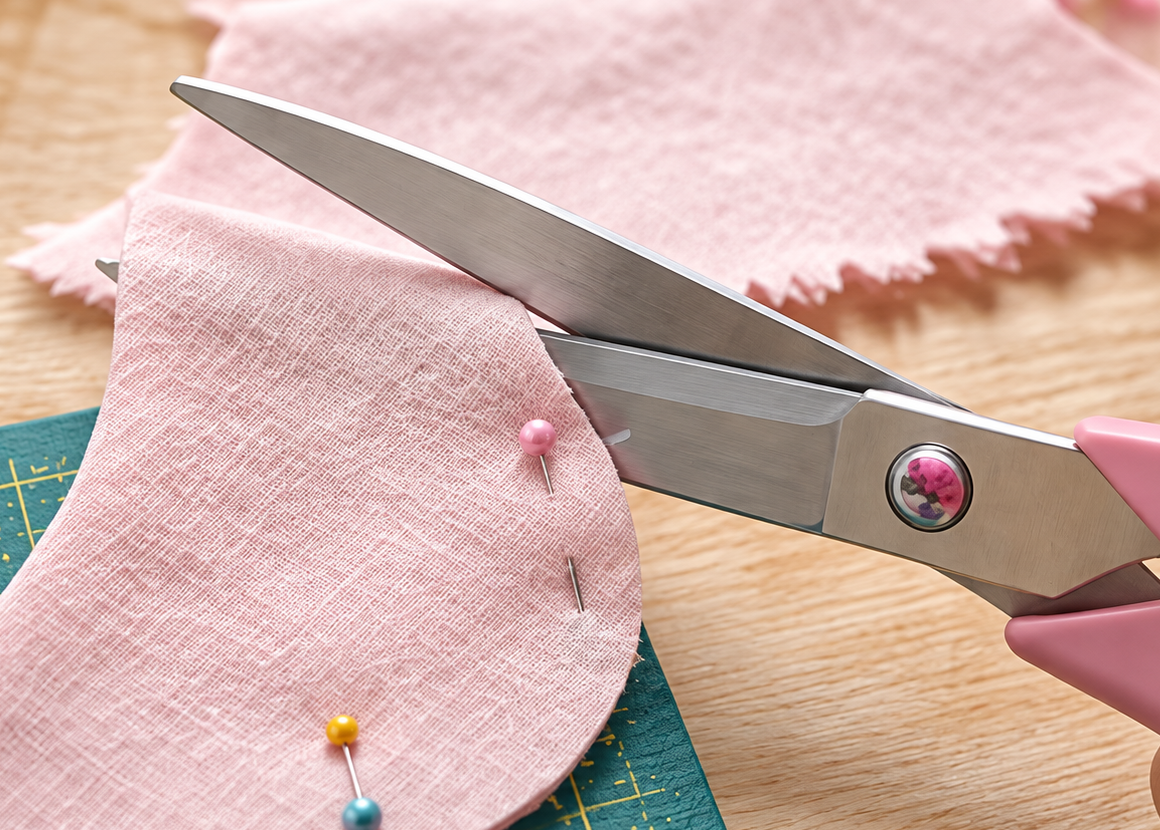
1. Tiny curves and details
Ears, tails, facial pieces
Intricate shapes
2. Notches and snips like pattern markings and clipping curves
3. Quick trimming of threads and small adjustments
4. Thick seams
Bulky intersections
Layered seam allowances
Basically, anything small and fiddly = scissors win.

Final Thoughts (The Plot Twist Ending)
If scissors are your steady best friend…
the rotary cutter is your overachieving assistant who gets things done in half the time.
👉 You don’t choose one.
👉 You build your cutting dream team.
If you’re batch cutting plush patterns, switching to a rotary cutter setup can seriously speed up production
❓ FAQs
Do beginners need a rotary cutter?
Not required… but once you try it, you may never go back
Is a rotary cutter safer than scissors?
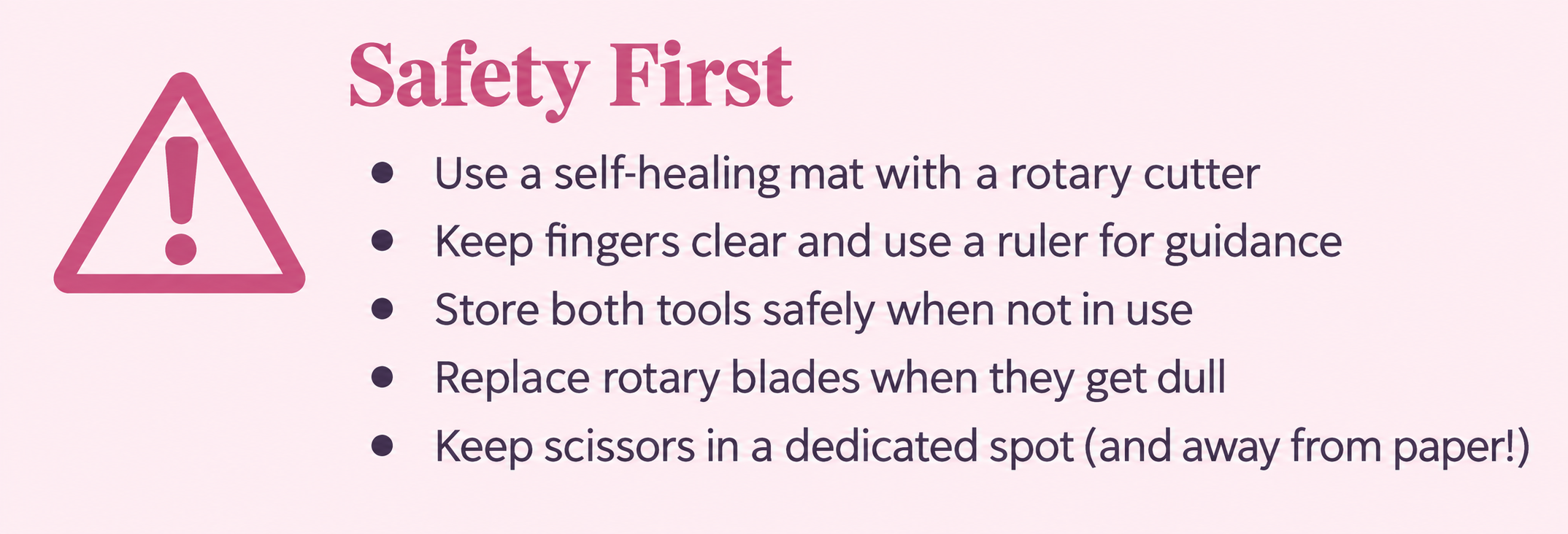
It’s different. The blade is VERY sharp, so always use a mat and close the blade after cutting.
What size rotary cutter should I get?
45mm is the most versatile and beginner-friendly.
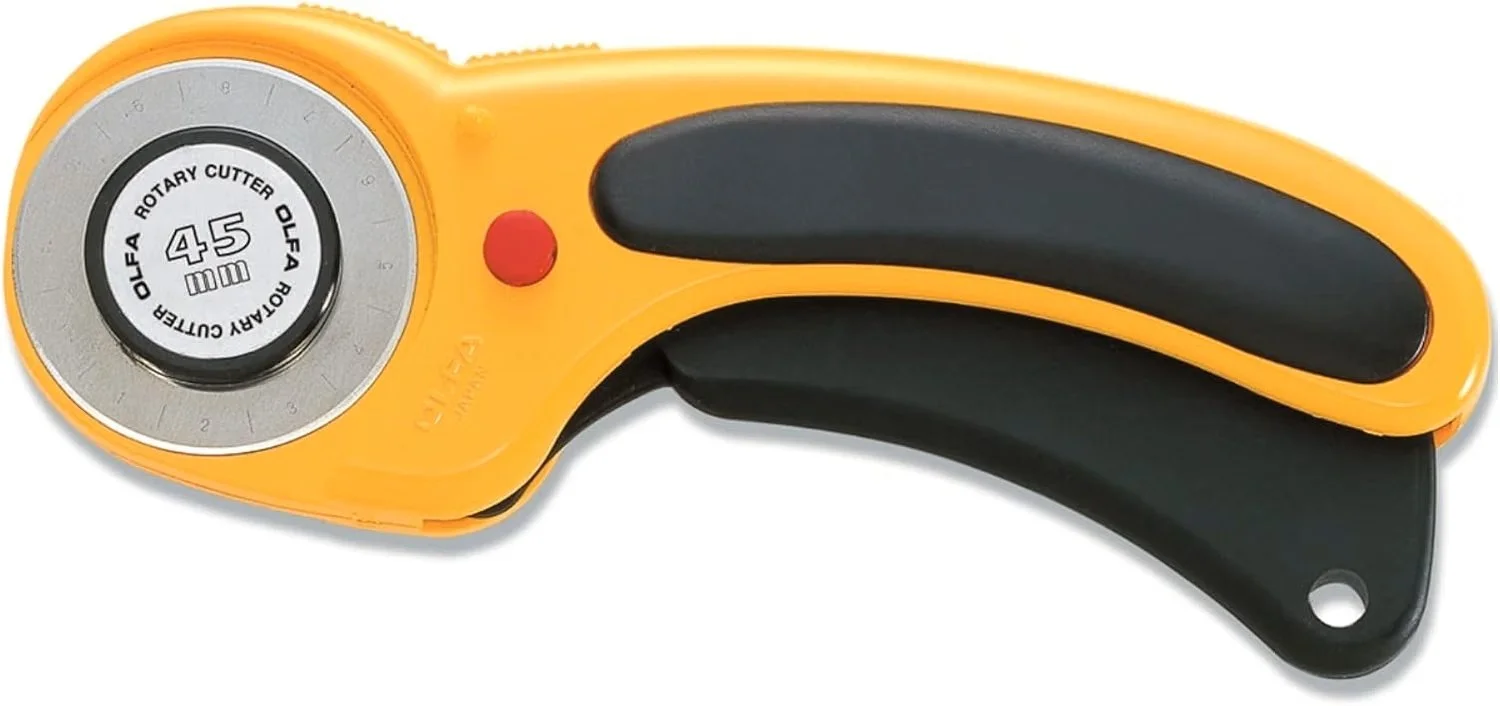
Ergonomic Rotary Cutter - The anti-slip rubber grip reduces hand fatigue and stress. The integrated grooves help prevent finger slippage.
Fiskars Self-Healing Cutting Mat - Protects your table and allows smooth, accurate rotary cutting.
Fiskars 6x24 Acrylic Ruler - Perfect for straight cuts, strips, and precise measurements.
Affiliate Disclosure: This post contains affiliate links. If you purchase something through one of these links, Sew Cute Patterns may earn a small commission at no additional cost to you. As an Amazon Associate, I earn from qualifying purchases.
Shop Patterns | sewing tutorials | sewing blog | Shop sewing supplies